Explore storiesStart my first chapter
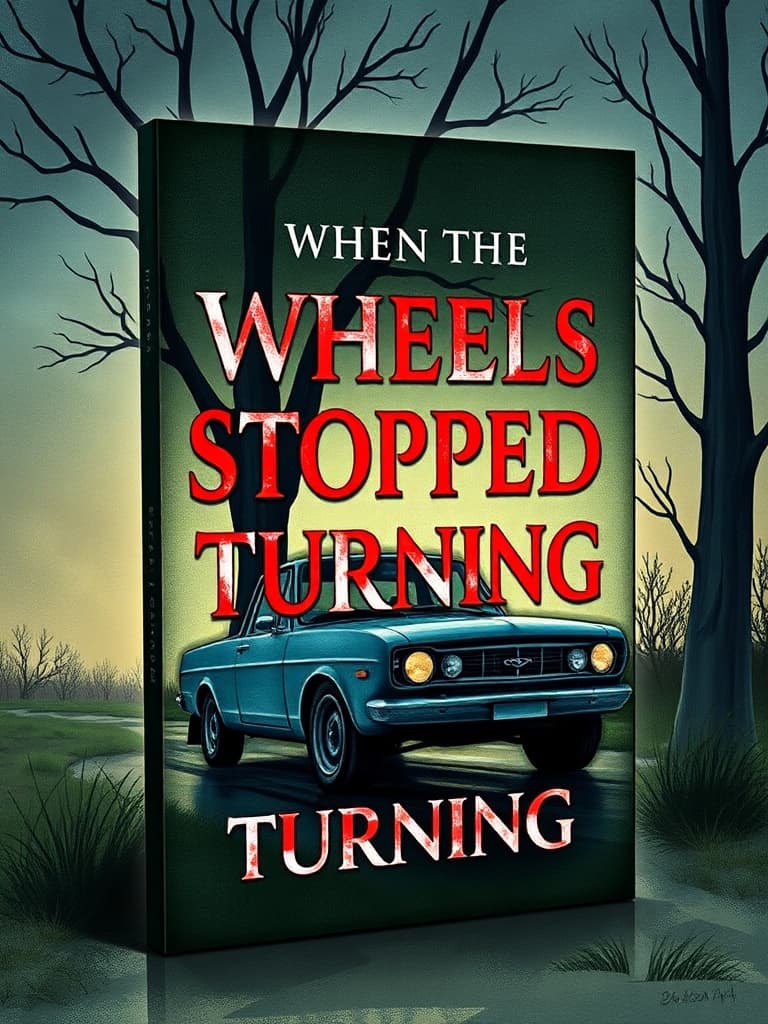
About this book
When the Wheels Stopped Turning
True Crime
Views
28
Likes
0
Chapters
63
Comments
0
This is the true story of a Family that I know who will not be revealed and the shame, horror and disgrace that They must bear due to the horrific homicidal and psychopathic actions of a family member who shall remain nameless. The Family was conned and deceived into believing at first His innocence until DNA proved that He was a serial killer and rapist. He was not only a blight on them but to the USMC. The mad mans name is Phillip. The unexpected Hero is Shane. This is based on a true ctthe
Chapters
- 1Cracks in the FacadeChapter 1 plunges into the seemingly idyllic suburban life of a close-knit family, establishing a baseline of normalcy that will soon be shattered. The focus is on the subtle, almost imperceptible shifts in the behavior of the family member who will later be revealed as a psychopathic serial killer. This individual, let's call him 'Phillip for narrative purposes (though his real name will remain concealed), presents a public persona of charm and ambition, perhaps even a decorated member of the USMC, a source of pride for his family. However, beneath this polished exterior, unsettling patterns begin to emerge. These are not overt acts of violence but rather disturbing anomalies: moments of chilling detachment, unusually intense or predatory gazes, an unsettling manipulation of conversations, and a tendency to isolate himself. The family, particularly his parents and his more grounded older half-brother, 'Mark' (again, a placeholder name), initially dismiss these as quirks or stress-related issues. Mark, perhaps a successful professional or a pillar of the community, might notice David's erratic behavior during infrequent visits, attributing it to the pressures of military life or a difficult transition back to civilian society. The parents, deeply invested in David's success and perhaps living vicariously through his achievements, are quick to defend him, interpreting any oddity as a sign of him being misunderstood or perhaps overly sensitive. Scene 1: A family gathering at the parents' home. is the center of attention, recounting a military anecdote with practiced charisma. Mark observes David's interaction with a younger cousin; David’s eyes linger a moment too long, a subtle possessiveness in his smile that unnerves Mark, but he brushes it off as sibling affection. The parents beam with pride, oblivious. The setting is a comfortable, well-appointed suburban home, filled with family photos and the aroma of home-cooked food – a stark contrast to the darkness that will soon engulf them. The emotional tone is one of familial warmth and pride, tinged with Mark's nascent, unarticulated unease. Scene 2: A phone call between Shane and his mother. She expresses concern about Phillips recent moodiness, but quickly pivots to praising his latest accomplishment, minimizing any negative aspect. Mark tries to probe further, asking about specific incidents he heard about indirectly, but his mother deflects, emphasizing David's good heart and his service to the country. The dialogue is built on subtext; the mother’s words are loving but dismissive, while Mark’s questions are gentle but persistent. The emotional arc here is the subtle erosion of Mark’s certainty, replaced by a gnawing doubt that he feels guilty for harboring. Scene 3: phillip visits Shanes home unannounced. He is unusually withdrawn, his eyes scanning Mark's home with an unnerving intensity. He makes a strange, off-hand comment about the security of the house, or perhaps about the vulnerability of people who live alone. Mark, though unsettled, tries to engage David in a conversation about his future, offering practical advice. David responds with vagueness and a subtle, almost imperceptible smirk, as if he finds Mark's concerns amusingly naive. The setting is Mark's modern, orderly home, a sanctuary that David’s presence makes feel slightly less secure. The emotional turn is Mark's growing discomfort, a feeling of being observed by a predator, even in his own home. Continuity notes: Establish David’s public image as a decorated Marine. Hint at his manipulative nature through subtle interactions. Mark’s unease should be palpable but rationalized by himself and others. The family’s denial must be rooted in love and pride, not malice. Ending hook: The chapter ends with Mark watching David drive away, a chilling thought crossing his mind: something is fundamentally *wrong* with his brother, a feeling he can no longer ignore, but one he still lacks the courage or evidence to articulate to anyone. The whispers have begun, but no one is truly listening yet.
- 2The Veils of DenialChapter 2 deepens the exploration of the family's collective denial, showcasing how love, loyalty, and a deeply ingrained desire for normalcy create an impenetrable shield against the mounting evidence of the family member's disturbing behavior. This isn't willful ignorance, but a desperate, almost subconscious effort to maintain the illusion of a perfect family, untainted by scandal or disgrace. The individual in question, let's continue to refer to him as 'David', continues his subtle manipulations, and the family's reactions are consistently designed to reframe his actions in the most positive or benign light possible. Each unsettling incident is met with a rationalization, a defense mechanism honed over years of protecting their idealized image of David. His parents, particularly the mother, are the primary architects of this denial, their maternal instincts overriding any rational judgment. They might interpret his reclusiveness as a sign of deep thought or artistic sensitivity, his aggressive tendencies as a byproduct of his military training, or his odd comments as simply being 'quirky' or 'misunderstood.' His older half-brother, 'Mark', struggles the most with this pervasive denial. While he can't shake his own growing suspicions, he finds himself constantly battling the family's unwavering faith in David. He might try to present objective observations, only to be met with gentle but firm rebuttals from his parents, who remind him of David's good qualities, his service, and the fact that he is 'their son.' The narrative will show Mark’s internal conflict: the desire to believe his family versus the chilling evidence of his own eyes and intuition. He might feel guilt for doubting David, for not being supportive enough, and for harboring such dark thoughts about a blood relative. Scene 1: A tense family dinner. David arrives late, disheveled and evasive about his whereabouts. He makes a disturbing, off-hand remark about the 'fragility of life' or the 'satisfaction of control.' The parents immediately jump in to smooth things over, perhaps saying David is just being philosophical or that he's had a tough day. Mark, present at the dinner, tries to gently steer the conversation away from the morbid, but his efforts are subtly undermined by his mother, who insists David needs 'understanding.' The setting is the family dining room, a space that should represent unity but now feels fraught with unspoken tension. The emotional tone shifts from forced pleasantry to palpable discomfort, with Mark feeling increasingly isolated in his unease. Scene 2: Mark has a private conversation with his father. Mark expresses his concerns more directly, referencing specific incidents he's observed or heard about – David's strange nocturnal habits, his unusual interest in true crime documentaries, or a veiled threat he made. The father, a man who has always strived for respectability, becomes defensive. He might attribute David's behavior to the 'wild oats' of youth, or perhaps suggest Mark is jealous of David's charisma. He might remind Mark of David's military record as proof of his discipline and integrity. The setting is the father's study, a place of supposed wisdom and authority, but where his words now ring hollow. The emotional arc is Mark’s growing disillusionment with his father’s inability to see the truth, reinforcing his feeling of isolation. Scene 3: The family rallies around David after a minor public incident – perhaps a vague accusation of harassment or a strange interaction reported by a neighbor. Instead of investigating, the family closes ranks. The parents might organize a 'supportive' family outing, determined to prove David is loved and accepted, which David uses as an opportunity to further manipulate them, feigning remorse or gratitude while harboring his true intentions. Mark is pressured to participate, and his reluctance is framed as a lack of family loyalty. The setting is a seemingly cheerful public place, like a park or a restaurant, where the forced smiles and superficial interactions mask the deep-seated rot within the family dynamic. The emotional turn is Mark’s increasing frustration and a creeping sense of dread, realizing that his family is not just blind, but actively participating in the deception by refusing to acknowledge reality. Continuity notes: Reinforce the family's deep-seated need to maintain appearances. Show specific instances of rationalization and deflection. Mark’s internal struggle should be the primary focus of his perspective, highlighting the psychological toll of living with suspicion. Ending hook: The chapter concludes with Mark witnessing a particularly chilling interaction between David and a vulnerable stranger, or overhearing a snippet of a disturbing conversation that David quickly covers up. This moment solidifies Mark's worst fears, but he is still trapped by the family's collective denial, leaving him paralyzed with the knowledge that he may be the only one truly seeing the monster, yet unable to convince anyone else before it’s too late.
- 3The Unraveling ThreadChapter 3 marks the turning point where the family's carefully constructed reality begins to unravel. The carefully woven fabric of denial, so expertly maintained in the previous chapters, starts to fray under the pressure of undeniable evidence or a profoundly disturbing incident. This isn't a sudden revelation, but a series of events that chip away at their defenses, forcing them, however reluctantly, to confront the possibility that their loved one, 'David,' is far more dangerous than they ever imagined. The catalyst could be a combination of factors: a direct accusation from an outside source, a piece of evidence discovered by accident, or a violent outburst from David that is too significant to ignore or rationalize away. For 'Mark', David's older half-brother, this chapter is a validation of his worst fears, but also a source of immense guilt and dread. He may have been the first to suspect, and now sees his suspicions confirmed, but the confirmation brings no relief, only a deeper plunge into horror. The parents, however, will likely resist this shift as long as possible. They may initially dismiss the new information as a misunderstanding, a smear campaign, or a grave error by the accusers. Their denial is still active, but it’s becoming more strained, more desperate. The emotional landscape of the family shifts dramatically from a strained normalcy to a palpable tension, laced with fear and suspicion directed both at David and at each other for not seeing it sooner. Scene 1: A frantic phone call or visit from a concerned neighbor or acquaintance. This person might be a victim's family member, a law enforcement officer initiating preliminary inquiries, or someone who witnessed a disturbing act by David. The information shared is concrete and alarming, detailing specific crimes or suspicious activities that cannot be easily dismissed. The parents are initially incredulous, perhaps even angry at the accuser. Mark, however, listens intently, his face paling as the pieces begin to click into place. The setting could be the parents' home, the scene of recent family gatherings, now feeling tainted by the news. The emotional tone is shock and disbelief, with Mark experiencing a sickening confirmation. Scene 2: An accidental discovery within David's belongings or living space. This could be a hidden journal, unsettling photographs, trophies from victims, or disturbing materials that reveal a dark obsession. Mark, perhaps asked to help David pack or clear out a space, stumbles upon this evidence. His initial curiosity turns to revulsion and terror. He might immediately confront David, leading to a tense, terrifying encounter where David's mask momentarily slips, revealing a chillingly cold or even threatening demeanor. Alternatively, Mark might keep his discovery secret initially, wrestling with what to do, fearing for his own safety and the implications for his family. The setting is David's private space – perhaps an old bedroom in his parents' house, a storage unit, or a rented apartment – a place that was once seen as personal but is now a repository of horror. The emotional turn is raw fear and dawning horror. Scene 3: A direct confrontation or a significant behavioral shift from David. This could be a violent outburst, a chilling confession of intent (even if veiled), or a moment where his psychopathic tendencies are so overt that even the most deluded family member cannot ignore them. For instance, David might react with extreme aggression to a minor perceived slight, or he might exhibit a terrifying lack of empathy when discussing a tragic event, perhaps even showing a disturbing curiosity. The parents are forced to witness this firsthand, their denial shattered by the undeniable reality of David's capacity for cruelty. The scene is charged with a volatile energy, the family dynamic fracturing under the strain. The emotional climax is the family's collective realization that something is terribly wrong, even if they haven't yet grasped the full extent of David’s depravity. Continuity notes: This chapter must demonstrate a significant escalation from the subtle unease of the previous chapters. The evidence or incident must be compelling enough to begin breaking down the family's denial, even if it’s not fully accepted yet. Mark’s internal conflict should intensify as he grapples with the confirmed reality and the need to act. Ending hook: The chapter concludes with the family in disarray, the unspoken truth hanging heavy in the air. The parents are visibly shaken, their faces etched with a dawning horror. Mark feels a desperate urgency, knowing that the 'unthinkable' is no longer just a possibility, but a terrifying certainty. The question now is not *if* David is dangerous, but *how* dangerous, and what will they do with this knowledge before another tragedy strikes?
- 4The UnmaskingChapter 4 is the devastating climax of the family's journey from denial to horrifying acceptance. The irrefutable proof arrives, shattering the last vestiges of their hope and forcing them to confront the unimaginable: their loved one, 'David,' is not just troubled, but a psychopathic serial killer and rapist. This chapter focuses on the arrival and impact of the DNA evidence, the cold, scientific truth that obliterates any possibility of lingering doubt or rationalization. The narrative will detail the moment the results are received, the stunned silence, the disbelief, and the slow, agonizing descent into a reality far more horrific than any of them could have conceived. For 'Mark', David's older half-brother, this is the moment of profound, soul-crushing vindication, mixed with an overwhelming sense of guilt and responsibility. He may have pushed for DNA testing, or perhaps it was initiated by law enforcement, but the outcome is the same: the confirmation of his deepest fears. The parents will experience the most profound shock. Their world, built on the foundation of their son's perceived goodness, collapses entirely. The shame, horror, and grief will be immense, amplified by the public nature of the crimes and the violation of trust. The chapter will explore the immediate aftermath of receiving the DNA results, the breakdown of communication within the family, and the dawning realization of the true scale of David's depravity. Scene 1: The sterile, official setting where the DNA results are delivered. This could be a police station, a private investigator's office, or even a formal meeting with legal counsel. The deliverer of the news is professional, perhaps even sympathetic, but the message is stark and unambiguous. The DNA match links David to specific, horrific crimes, providing an undeniable connection to victims. The family members present (likely Mark and the parents, perhaps even David himself if he's being questioned) react with varying degrees of shock, silence, and tears. The parents might collapse, unable to process the information, while Mark might feel a cold dread settling in his stomach. The setting is deliberately impersonal and clinical, highlighting the objective, unfeeling nature of scientific truth. Scene 2: The immediate aftermath within the family's private space, likely the parents' home. The atmosphere is thick with unspoken horror. The parents might be in a state of shock, numbly going through the motions, or erupting in grief and accusations. Mark, now the de facto anchor, tries to navigate the emotional chaos, grappling with the implications for his family and the victims. Conversations are fragmented, filled with disbelief ('How could this be?', 'It must be a mistake!') and raw pain. The chapter will depict the physical manifestation of their distress: pacing, crying, a complete breakdown of normal routines. The emotional focus is on the shattering of their identity and the immense grief for the lives lost and the life they thought they knew. Scene 3: The first official steps taken by law enforcement, driven by the DNA evidence. This could involve an arrest, a search warrant, or formal questioning of the family. The family is forced to interact with the authorities, their private tragedy now a public concern. They must confront the reality that their family member is not just a criminal, but a monster wanted for heinous acts. The parents might feel a profound sense of betrayal and helplessness, while Mark understands the necessity of justice, even as it crushes his family. Scene 4: A brief, chilling glimpse into David's reaction, if available. This could be through a brief interaction with law enforcement, or a report from an investigator. David might display a complete lack of remorse, a chilling calmness, or even a perverse sense of pride in his actions, confirming his psychopathic nature beyond any doubt. This scene serves to underscore the horror of the situation and the true nature of the man they thought they knew. Continuity notes: This chapter must be the emotional and narrative apex of the initial shock. The DNA evidence is the irrefutable lynchpin. The family's reaction should be varied but universally devastating. The shift from denial to acceptance must be complete and irreversible. Ending hook: The chapter concludes with the family reeling from the undeniable truth. The DNA evidence has irrevocably changed their lives, casting a long, dark shadow over their past, present, and future. The world they knew has imploded, and they are left standing amidst the ruins, facing the profound shame and horror of their connection to a serial killer. The question now becomes: how do they possibly survive this?
- 5The Weight of the WorldChapter 5 delves into the immediate aftermath of the DNA revelation, focusing on the crushing weight of shame, horror, and disgrace that descends upon the family. Their world has irrevocably shifted from one of quiet suburban respectability to one of public notoriety and private torment. The narrative will explore the profound psychological and emotional impact of this revelation, not just on the parents and 'Mark', but on the wider family network and their community. The initial shock gives way to a deep, pervasive sense of humiliation and fear. The family is forced to confront the fact that their relative, 'David,' is not only a perpetrator of unspeakable crimes but also a blight on their name, their history, and their future. The focus is on the internal experience of shame. This isn't just about what others think; it's about the family's own self-perception being irrevocably tainted. They must grapple with the fact that they are, in the eyes of the world, the family of a monster. This shame manifests in various ways: avoiding neighbors, withdrawing from social activities, receiving accusatory or pitying glances, and the constant, gnawing fear of judgment. The horror stems from the realization of the true extent of David's depravity and the suffering he inflicted on his victims. The disgrace is the public scandal, the whispers, the potential media attention, and the tarnishing of their family name, especially in their community and perhaps even within the USMC context if David was still serving or recently discharged. Scene 1: The family's first foray into the outside world after the news breaks. This could be a necessary trip to the grocery store, a court appearance, or a visit to a doctor. Every interaction is fraught with tension. They encounter averted gazes, hushed conversations, and the palpable sense of being judged. Some neighbors might offer hesitant, awkward condolences, while others might ostracize them. The setting is a public place that was once familiar and safe, now transformed into an arena of social punishment. The emotional tone is one of intense social anxiety, vulnerability, and humiliation. Scene 2: A private family meeting or argument where the full weight of their situation is discussed. The parents might express profound regret, self-recrimination ('Where did we go wrong?'), and overwhelming grief. Mark tries to maintain a semblance of control, but he too is deeply affected, perhaps wrestling with his own guilt for not acting sooner or more decisively. The conversation shifts from the crimes themselves to the devastating impact on their lives. They might discuss the potential legal ramifications, the public scrutiny, and the impossibility of ever escaping this label. The setting is the family home, once a sanctuary, now a place of profound emotional distress. The emotional arc is one of despair, recrimination, and the dawning realization of their isolation. Scene 3: The family receiving unwanted attention. This could be from local media attempting to get a story, or from concerned/curious individuals showing up at their doorstep. They are forced to confront the public's fascination with the dark side of humanity and their unwanted role in it. They may have to issue a public statement, or more likely, retreat further into isolation to avoid the spotlight. The narrative will emphasize their desire for anonymity, which is now utterly unattainable. The emotional turn is one of feeling besieged and violated, their privacy destroyed by the actions of their relative. Scene 4: A moment of reflection for Mark, perhaps late at night. He looks at old family photos, the innocence of the past a stark contrast to the current horror. He grapples with the duality of David – the brother he perhaps knew fragments of, and the monster revealed by the DNA. He feels the shame not just for his family, but for the victims, and perhaps even for the institution of the USMC if David's actions have brought disgrace upon it. This solitary moment highlights the personal burden he carries. Continuity notes: This chapter is about the immediate social and emotional fallout. The family’s internal dynamics should reflect the external pressures. The shame and horror must be palpable and deeply felt. Connect the disgrace to the community and the potential impact on their social standing. Ending hook: The chapter ends with the family retreating further into themselves, the walls of their home becoming a fragile barrier against the judgment of the world. They are forever marked by this tragedy, their lives irrevocably defined by the actions of a man they once loved and trusted, but who turned out to be a source of profound darkness. The question lingers: can they ever find peace or rebuild their lives under this immense shadow?
- 6Ghosts of What Might Have BeenChapter 6 plunges into the agonizing internal landscape of the family, exploring the 'what ifs,' the 'if onlys,' and the relentless 'how could we not have known?' that haunt their waking hours and sleep. This chapter is dedicated to the psychological toll of living with the knowledge of their relative's, 'David's,' horrific crimes. The initial shock and shame have solidified into a deep, pervasive guilt and self-recrimination. The narrative will dissect the family's internal struggles, focusing on the relentless replay of past events, searching for missed cues and misinterpreted signals. Each family member will grapple with this differently, but the underlying theme is a profound sense of failure and regret. For 'Mark', David's older half-brother, this chapter will highlight his burden of being perhaps the first to suspect, and his internal conflict over not acting more decisively. He might replay conversations, analyze gestures, and question every interaction, searching for the moment he could have intervened, the moment he could have saved lives or prevented the family's disgrace. He might feel an immense pressure to be the strong one, the one who can process the truth, but he is drowning in his own 'what ifs.' The parents will be consumed by a different kind of guilt – the guilt of failed guardianship, of raising or loving a monster. They will question their parenting, their choices, their very understanding of their child. Their memories are now tainted, every loving gesture, every proud moment, now viewed through the lens of David's monstrous acts. The horror is not just external but deeply internalized, a self-inflicted torment. Scene 1: A sleepless night for Mark. He lies awake, replaying fragmented memories of David. A fleeting look, a strange comment, a time David seemed overly interested in violence or control – each memory is dissected and analyzed. He might get out of bed and look at old family photos, the smiling faces a painful contrast to the current reality. He questions his own sanity, wondering if he's overthinking things, but the DNA evidence is a constant, cold reminder that he is not. The setting is Mark's bedroom, dark and quiet, amplifying his internal turmoil. The emotional tone is one of profound distress, anxiety, and self-doubt. Scene 2: The parents engage in a painful conversation about David's childhood. They sift through memories, desperately searching for the origin of his darkness. Was it a traumatic event? A genetic predisposition? A flaw in their parenting? They might recall instances of David being unusually cruel to animals, or displaying a lack of empathy, which they previously dismissed as normal childhood behavior or youthful indiscretion. This conversation is filled with tears, accusations (often self-directed), and a desperate plea for understanding that never comes. The setting is the parents' living room, a place of shared history now filled with the ghosts of regret. The emotional arc is one of deep sorrow, guilt, and a desperate search for answers that will never satisfy. Scene 3: Mark attempts to reconnect with David, perhaps during a visit related to legal proceedings or through a structured family contact. He tries to understand David's motivations, not out of sympathy, but out of a desperate need to make sense of the senseless. David, however, offers only manipulation, lies, or chilling indifference, further deepening Mark's despair and reinforcing the idea that David is truly beyond human comprehension. This interaction highlights the futility of seeking answers from the perpetrator and the profound psychological burden this places on Mark. Scene 4: A scene showing the family members struggling with daily life. Simple tasks become monumental challenges as they are constantly reminded of their connection to David. They might avoid social media, fearing exposure or judgment. They might become hypervigilant, their trust in others eroded. The narrative focuses on the pervasive, inescapable nature of their internal torment, showing how the 'what ifs' color every aspect of their existence. Continuity notes: This chapter must delve deep into the psychological fallout. The 'what ifs' should be specific and tied to events that were previously dismissed. The self-recrimination should be palpable. Mark's role as the 'doubter' who is now burdened by confirmation should be central. Ending hook: The chapter concludes with the family members isolated in their individual torment, trapped in a cycle of regret and self-blame. The echoes of 'how could we not have known?' reverberate through their lives, a constant reminder of their perceived failure. They are left bearing the unbearable weight of their connection to David's darkness, struggling to find any semblance of peace amidst the wreckage of their lives.
- 7The Uniform's StainChapter 7 tackles a particularly sensitive and painful aspect of the family's burden: the stain left upon the esteemed institution of the U.S. Marine Corps by the heinous actions of 'David.' The narrative will explore how his crimes not only brought disgrace upon his family but also cast a dark shadow over the uniform he wore and the values it represents. For a family that may have taken immense pride in David's military service, this adds a profound layer of betrayal and humiliation. The chapter will examine the dissonance between the image of the disciplined, honorable Marine and the reality of the psychopathic killer he is. This section will likely focus on the reactions of those connected to David's military past – former comrades, superiors, and the Marine Corps itself. There will be a sense of profound disappointment and anger that one individual’s horrific actions have tarnished the reputation of a proud service. The family, particularly 'Mark', will likely feel an added layer of shame, knowing that David's crimes reflect poorly on an institution they may have respected or even held in high regard. The chapter will explore the internal conflict this creates: how can the same person who took an oath to protect and serve be capable of such depravity? This adds a unique dimension to their suffering, as their relative's actions are not just a personal betrayal, but a betrayal of national trust and honor. Scene 1: Mark reflects on David's time in the Marines. He recalls the pride his parents felt, the stories David told, and the image of him in uniform. This is juxtaposed with the horrific crimes he committed. Mark might visit a memorial or a place associated with his military service, feeling a profound sense of loss – not just for the victims, the family, and the man he thought David was, but also for the idealized image of the Marine Corps that David has corrupted. The setting is a place that evokes military pride, now tinged with sorrow and betrayal. Scene 2: An interaction with someone from David's military past. This could be a former Marine buddy who expresses shock and disgust, or perhaps a superior officer who feels betrayed by David's actions and the negative attention it brings to the corps. This interaction will highlight the professional and institutional damage caused by David's crimes, emphasizing the sense of betrayal felt by those who served alongside him. They might speak of David's potential, his charisma, making his fall even more shocking. The emotional tone here is one of disillusionment and anger directed at David, and perhaps a hesitant sympathy for his family. Scene 3: The family receives inquiries or reactions related to David's military record. This could be from investigators looking into his background, or from members of the public who make the connection. Their pride in his service is now a source of acute embarrassment. They might have to distance themselves from it, or explain the complex, painful reality of David’s dual nature – the decorated Marine and the serial killer. The setting is the family home, where the symbols of David's military service, once cherished, now feel like painful reminders of his deception. Scene 4: Mark grapples with the concept of loyalty and honor, both personally and in the context of the military. He might read articles about the USMC's core values and feel a deep sense of irony and pain. He might feel a need to somehow atone for David's actions, not by taking responsibility, but by demonstrating the true values that David perverted. This highlights the moral complexities the family faces, forced to reconcile their love for their relative with the reprehensible nature of his crimes against the backdrop of a highly respected institution. Continuity notes: This chapter must explore the intersection of personal tragedy and institutional honor. The contrast between the idealized image of the Marine and the reality of the killer should be stark. The family's pride in his service should be shown as a source of added pain. Ending hook: The chapter concludes with the family feeling the full weight of David's disgrace, not just on their personal lives, but on a symbol of national pride. The uniform, once a source of honor, is now irrevocably stained by his actions. They are left with the agonizing knowledge that their relative has not only destroyed lives but has also betrayed the trust and ideals of an entire institution, a burden that adds another layer to their already immense suffering.
- 8Whispers in the NeighborhoodChapter 8 shifts the focus outward, exploring the chilling realization that spreads through the community. The news of 'David's' crimes, initially a private horror for his family, inevitably leaks into the public consciousness of their suburban neighborhood. This chapter will detail the transformation of neighborly familiarity into fear and suspicion. The place that once felt safe and predictable is now tainted by the knowledge that such profound evil resided, or at least had ties, within its borders. The narrative will capture the subtle and not-so-subtle ways the community reacts, from hushed gossip and averted glances to outright ostracization. The family of the perpetrator, now viewed through a different, fearful lens, becomes a pariah. Neighbors who once shared pleasantries now cross the street, pull their children closer, or whisper behind cupped hands. The family's home, once a symbol of their place in the community, now becomes a focal point of unease and morbid curiosity. This chapter will explore the fear of proximity – the terrifying thought that such a monster lived among them, or was connected to people they knew. It will also touch upon the collective sense of vulnerability, the shattering of the illusion of safety that suburban life often promises. The family of the killer must navigate this new social landscape, feeling the weight of their neighbor's fear and judgment. Scene 1: A scene depicting the immediate ripple effect of the news within the neighborhood. This could be through overheard conversations at the local grocery store, at the school gates, or during neighborhood gatherings that are now conspicuously avoided by some. The family members, particularly the parents and 'Mark', experience the shift in atmosphere acutely. People who were once friendly now offer forced smiles or avoid eye contact entirely. The setting is a familiar public space within the neighborhood, now imbued with tension and suspicion. Scene 2: The family's home becomes a target of passive aggression or intense curiosity. This might involve strange cars driving by slowly, 'accidental' gossip sessions happening within earshot, or even more overt acts like a vandalized lawn ornament or a crude message left on their doorstep. The family feels besieged, their private sanctuary invaded by the community's reaction. Mark might try to confront some of these behaviors, but is met with denial or justification ('We were just concerned'). The emotional tone is one of feeling isolated, targeted, and deeply unsafe within their own community. Scene 3: A neighborhood watch meeting or a community gathering where David's crimes are discussed, albeit indirectly. The family might be excluded, or if present, subjected to palpable tension and judgment. The conversation might revolve around 'how could this happen here?' and 'who else might be involved?', fueling paranoia. The narrative will capture the collective anxiety, the desire to distance themselves from the 'taint' of the crime, and the fear that the perpetrator's influence might have extended beyond him. The setting is a community center or a neighbor's home, a place intended for communal bonding now fractured by fear. Scene 4: Mark reflects on the irony of the situation. He remembers the close-knit community they once felt part of, the shared barbecues and neighborhood events. Now, that sense of belonging has evaporated, replaced by fear and judgment. He understands the neighbors' fear, but it doesn't lessen the sting of their ostracization. He feels a profound sense of loss for the community they once knew, and for the family's place within it. This solitary moment underscores the personal cost of the community's reaction. Continuity notes: This chapter should focus on the external social impact within the immediate neighborhood. The fear and suspicion should be palpable, affecting the family's daily lives. The contrast between the former sense of community and the current fear is crucial. Ending hook: The chapter concludes with the family members feeling utterly alone, even surrounded by neighbors. The shared suburban dream has soured, replaced by a chilling awareness of the darkness that can lurk beneath the surface of any community, and the profound isolation that comes with being associated with such evil. Their home, once a haven, now feels like a gilded cage, separating them from a world that now views them with suspicion and fear.
- 9The Echoes of Lost LivesChapter 9 takes a significant and emotionally charged turn by shifting the narrative focus to the victims. This chapter is dedicated to honoring the lives that were brutally extinguished or irrevocably shattered by 'David's' psychopathic actions. The family of the perpetrator, particularly 'Mark' and the parents, must confront the true human cost of David's crimes. This is not just about the legal ramifications or the family's shame, but about the profound loss experienced by the victims and their surviving loved ones. The narrative will aim to humanize the victims, moving beyond them being mere statistics or plot devices, and highlighting their individuality, their dreams, and the void left by their absence. The family's confrontation with the victims' stories will be a crucial element of their ongoing journey. It’s a necessary, albeit agonizing, step in understanding the true horror of David's depravity. This confrontation will likely be facilitated through news reports, court documents, or hearing directly from victims' families. The goal is to evoke empathy, even in the face of their own suffering, and to underscore the profound injustice and tragedy that David has wrought. The chapter will serve as a stark reminder that their family's pain, while significant, is secondary to the unimaginable suffering inflicted upon others. This realization is critical for the family's moral reckoning and for understanding the full scope of the disgrace they bear. Scene 1: Mark reads or watches news accounts detailing the lives of David's victims. This could involve profiles of the individuals, interviews with their grieving families, or details about their aspirations and personalities. The narrative will present these victims not just as 'cases,' but as people with distinct identities – perhaps a young student with dreams of becoming a doctor, a loving parent whose absence rips a family apart, or an innocent caught in the wrong place at the wrong time. The setting is a quiet, solitary space where Mark can absorb this information without interruption, allowing the emotional weight to sink in. Scene 2: The family encounters, perhaps indirectly, the grieving families of the victims. This could be at a courthouse during a preliminary hearing, or through a public statement made by a victim's family member. The raw pain and anguish expressed by these families will be a powerful counterpoint to the perpetrator's family's own suffering. Mark might witness a moment of profound grief that leaves him speechless, realizing the true scale of the devastation David has caused. The emotional tone is one of deep sorrow, empathy, and a crushing sense of helplessness. Scene 3: The parents struggle with the moral implications of their son being responsible for such loss. They might express profound remorse not just for their own shame, but for the pain their son has inflicted. This could lead to a difficult conversation where they acknowledge that their own suffering is overshadowed by the suffering of the victims' families. They might feel a moral obligation to express their condolences or apologies, but are unsure how, or if it would even be appropriate, given the circumstances. The setting is the family home, a place where they grapple with the moral consequences of David's actions. Scene 4: Mark reflects on the concept of justice. While his family is dealing with the fallout of legal proceedings, his focus shifts to the victims receiving justice. He understands that true justice means not only holding David accountable but also acknowledging and honoring the lives that were taken. He might feel a sense of vicarious grief for the victims, realizing that their stories deserve to be told and remembered, separate from the narrative of the perpetrator. Continuity notes: This chapter must be handled with sensitivity and respect for the victims. The focus should be on humanizing them and highlighting the profound loss. The perpetrator's family's reaction should be one of empathy and a dawning realization of the true cost of the crimes. Ending hook: The chapter concludes with the perpetrator's family members carrying the heavy burden of knowing the full extent of the suffering their relative has caused. The silent cries of the victims echo in their minds, a constant, painful reminder of the human devastation behind the headlines. Their own shame and grief are now inextricably linked to the profound sorrow of those whose lives were stolen, leaving them with a deeper, more complex understanding of the disgrace they bear.
- 10The Detective's Unblinking EyeChapter 10 introduces the determined force of law enforcement that pieced together the horrifying puzzle of 'David's' crimes. This chapter focuses on the relentless pursuit of justice by a key investigator, detailing their methodical approach to uncovering the truth, navigating a complex web of deception, and ultimately bringing the perpetrator to account. The narrative will highlight the detective's perspective – their dedication, their psychological fortitude, and their unblinking gaze into the abyss of human depravity. This provides an external, objective view of David's actions, contrasting with the family's subjective and emotionally charged experience. The investigator, let's call him Detective Miller, will be portrayed as a sharp, intuitive, and tenacious individual who is not easily swayed by appearances or familial loyalty. He meticulously connects the dots, interviews witnesses, analyzes forensic evidence, and confronts inconsistencies. His journey involves delving into David's past, uncovering patterns of behavior, and piecing together the timeline of his heinous acts. The chapter will showcase the detective's growing certainty and determination as he unravels the extent of David's depravity, moving from suspicion to irrefutable proof. This perspective offers a sense of order and progress in the chaos, even as it confirms the terrifying reality of David's psychopathy. Scene 1: Detective Miller is introduced, perhaps at a crime scene or reviewing case files. He is portrayed as experienced, perhaps a bit weary, but driven by a deep sense of duty. He is presented with initial, fragmented evidence – a missing person report, a suspicious death, a witness account – that hints at something more sinister than a random act. The setting is a sterile, professional environment – a police station, a crime lab – emphasizing the methodical nature of the investigation. Scene 2: Miller begins to interview individuals connected to David, including potentially distant relatives, former colleagues, or neighbors. He encounters the family's initial denial or their fear, but his experienced eye picks up on inconsistencies and unspoken truths. He might subtly probe 'Mark', recognizing his unease, or observe the parents' strained attempts at normalcy. The detective's interview techniques are subtle but effective, designed to gather information without revealing his full hand. The emotional tone is one of professional detachment mixed with a growing suspicion. Scene 3: The breakthrough moment for Detective Miller. This could be the arrival of the DNA evidence (linking back to Chapter 4), a crucial witness statement, or the discovery of a key piece of physical evidence that definitively links David to the crimes. The narrative will detail the investigative process that led to this point, highlighting the detective's persistence and insight. The setting could be the detective's office, where he pores over data, or a tense scene where he receives critical information. Scene 4: Miller begins to understand the psychological profile of the perpetrator. Based on the evidence, witness accounts, and David's own behavior, Miller starts to form a picture of a cunning, manipulative psychopath who operated with chilling efficiency and a complete lack of remorse. He might consult with a forensic psychologist, gaining insights into David's motivations – the thrill, the control, the power. This scene highlights the intellectual challenge of understanding such a mind. Scene 5: As the investigation progresses, Miller uncovers the full scope of David's crimes, realizing the true extent of his depravity and the number of victims. This revelation is a heavy burden, but it fuels his determination to ensure David is brought to justice and prevented from causing further harm. The narrative emphasizes the relentless nature of his work, the long hours, and the psychological toll of confronting such darkness. Continuity notes: This chapter provides an objective, investigative perspective. The detective's actions and discoveries should align with the previously established timeline and evidence. The portrayal of the investigation should be realistic and compelling. Ending hook: The chapter concludes with Detective Miller having built an airtight case against David. He has navigated the deception, confronted the darkness, and is ready to bring the perpetrator to justice. However, his work also highlights the profound suffering of the victims and the devastating impact on the perpetrator's family, leaving him with a somber understanding of the complex human tragedy he has been a part of.
- 11The Predator's GlimpseChapter 11 delves into the moments where 'David's' carefully constructed mask of normalcy slipped, offering chilling glimpses into his true psychopathic nature. This chapter is about the subtle, often dismissed, signs that hinted at the predator lurking beneath the surface. It will explore specific incidents, behaviors, or interactions that, in retrospect, screamed danger, but were overlooked or misinterpreted by his family and those around him. The narrative will focus on the unsettling details – the predatory gaze, the chilling lack of empathy, the calculated manipulation – that, when viewed through the lens of his confirmed crimes, become terrifyingly clear. This chapter aims to illustrate how psychopathy can be masked by charisma and a seemingly normal exterior. It will showcase moments where David acted with a chilling detachment, a cold calculation, or an unsettling fascination with violence or control. These glimpses are not necessarily overt acts of aggression but rather subtle cues that, for those who were paying attention (or perhaps, for those who were unknowingly targeted), revealed the darkness within. For the family, revisiting these moments will be a torturous exercise in self-recrimination, as they realize how many warning signs they ignored or rationalized away. The narrative will focus on the psychological unease these incidents generated, even before the full truth was known. Scene 1: A specific interaction where David exhibits unusual cruelty or a disturbing fascination with something dark. This could be a childhood incident involving animals, a morbid curiosity about accidents or disasters, or a casual remark that reveals a profound lack of empathy for others' suffering. The family's reaction in the past was likely to dismiss it as childishness or eccentricity. The setting is a flashback, revisiting a seemingly ordinary moment now imbued with sinister undertones. Scene 2: A social situation where David's charm is on full display, but beneath it, he subtly manipulates or demeans someone. This could involve gaslighting, subtle threats disguised as jokes, or an unnerving ability to read and exploit people's vulnerabilities. Witnesses might have felt uncomfortable but couldn't articulate why. The narrative will focus on the unsettling feeling left by these interactions, the sense of being toyed with, even if the victim couldn't pinpoint the exact reason. The setting is a social gathering – a party, a workplace event – where David navigates the social landscape with a predatory grace. Scene 3: A moment where David's anger or aggression surfaces unexpectedly and disproportionately. This could be a reaction to a minor inconvenience or a perceived slight, revealing a volatile temper that is quickly masked. The family might have attributed this to stress or a bad day, failing to recognize it as a sign of underlying psychopathic rage. The narrative will emphasize the abruptness of the shift in his demeanor and the chilling coldness that follows the outburst. The setting is a tense domestic scene or a public confrontation. Scene 4: Mark recalls a specific instance where David seemed to be 'testing boundaries' or observing people with an unsettling, clinical detachment. This could be David showing an unusual interest in security systems, stalking behaviors, or a disturbing fascination with the mechanics of control and power. Mark might have felt a prickle of unease at the time, but dismissed it as David being 'intense' or 'analytical.' The narrative will highlight these moments of heightened intuition that were ultimately suppressed. Scene 5: A scene where David displays a chilling lack of remorse or guilt after a transgression, even a minor one. He might dismiss hurtful actions with a shrug or a sarcastic remark, demonstrating an inability to connect with the emotional impact of his behavior. This is a key indicator of psychopathy that the family, in their denial, might have overlooked or misinterpreted as 'toughness' or 'resilience.' Continuity notes: These 'glimpses' should be subtle enough to have been plausibly dismissed at the time but clear and disturbing in retrospect. They should build a consistent picture of David's underlying psychopathic traits. The family's rationalizations for these behaviors are crucial to highlight. Ending hook: The chapter concludes with the family members, now fully aware of David's crimes, replaying these chilling moments in their minds. The mask has slipped one too many times, and they are left with the horrifying realization that the monster was always there, hidden in plain sight, and they were too blinded by love, trust, or denial to see it. The predator's gaze is now indelibly etched in their memories.
- 12Brother Against BrotherChapter 12 delves into the complex, often fraught, relationship between the serial killer, 'David,' and his older half-brother, 'Mark.' This chapter will explore the deep sense of betrayal Mark feels, not only as a family member but as someone who may have harbored suspicions long before the truth was revealed. The narrative will highlight the manipulation David likely employed against Mark, playing on their familial bond while harboring his dark secrets. This is a story of fractured brotherhood, where one brother's darkness casts a long, devastating shadow over the other's life. The chapter will explore the dynamic: Mark, perhaps seen as the more stable or 'responsible' one, may have felt a sense of protective duty towards David, or conversely, a subtle resentment for David's charisma or the attention he received. David, in turn, might have viewed Mark as a tool, a confidante, or even a rival, depending on his manipulative needs at the time. The revelation of David's crimes would be a profound betrayal for Mark, confirming his worst fears and burdening him with the knowledge of his brother's monstrous acts. It would also force him to confront his own complicity, however passive, in enabling David's deception. The emotional core of this chapter is the shattering of familial bonds and the deep psychological impact of realizing a brother is a monster. Scene 1: A flashback to a childhood or adolescent memory of Mark and David together. This memory, seemingly innocent at the time, will be reinterpreted through the lens of David's true nature. It might reveal subtle instances of David's manipulation, his dominance, or his predatory tendencies even towards his own brother. Perhaps David subtly sabotaged Mark's relationships or career aspirations in a way that was dismissed as sibling rivalry. The setting is a place from their shared past, now tainted with the knowledge of David's darkness. Scene 2: Mark's internal monologue or a conversation with a confidante (perhaps a therapist or a trusted friend) detailing his complicated feelings towards David. He might express a mixture of love, disgust, fear, and profound disappointment. He grapples with the fact that this is his brother, the person he grew up with, who has committed unimaginable atrocities. He questions how he can reconcile these two realities and what his responsibility is, if any, now that the truth is out. The emotional tone is one of deep internal conflict and psychological distress. Scene 3: A scene depicting a specific instance of David manipulating Mark. This could involve David confiding in Mark about fabricated troubles, seeking Mark's help or support under false pretenses, or subtly influencing Mark's perceptions of others. Mark, perhaps wanting to believe the best of his brother, falls prey to this manipulation, which later fuels his guilt and self-recrimination. The setting is a private conversation, perhaps during a period when Mark was already harboring suspicions but David skillfully deflects them. Scene 4: In the present day, after the crimes have been revealed, Mark interacts with David during legal proceedings or a controlled visit. This interaction is charged with tension. Mark might try to confront David, seeking an explanation or a sliver of humanity, but David remains cold, manipulative, or indifferent, further solidifying Mark's understanding of his brother's psychopathy. This encounter highlights the irreparable damage to their brotherhood and Mark's burden of knowing the truth. Scene 5: Mark reflects on the 'hero' narrative often associated with family members who stand by accused relatives. He realizes that in his case, the 'heroism' lies not in blind loyalty, but in eventually confronting the truth and dealing with the devastating consequences. He may feel a sense of isolation, as he is the one who truly understands the depth of David's betrayal, a burden he carries alone. Continuity notes: This chapter should focus on the unique and devastating impact of David's crimes on his brother, Mark. The relationship dynamics should be complex and nuanced, reflecting the deep betrayal. The manipulation should be believable and rooted in psychopathic traits. Ending hook: The chapter concludes with Mark bearing the profound weight of his brotherhood with a serial killer. The shared past is now a source of torment, and the future is overshadowed by the knowledge of David's unspeakable acts. He is left to navigate a world forever changed by his brother's darkness, forever marked by the man who once shared his blood but became a monster.
- 13The Courtroom's CrucibleChapter 13 places the family at the heart of the legal storm, as the courtroom becomes the stage for their public reckoning. This chapter will dramatize the trial of 'David,' laying bare the horrific details of his crimes and exposing the family's intimate connection to the perpetrator. The narrative will focus on the emotional and psychological toll of this public ordeal, where every aspect of David's life, and by extension, his family's, is scrutinized under the harsh glare of public and judicial attention. The courtroom is a crucible, testing the family's resilience and forcing them to confront the full horror of what has transpired. The chapter will detail the atmosphere of the trial: the tense silence, the hushed whispers of the gallery, the impassive faces of the jury, and the clinical presentation of evidence. The family, likely 'Mark' and the parents, will be forced to endure testimony that details the unimaginable suffering of the victims, presented by prosecutors aiming to secure a conviction. They may be called to testify, having to recount painful memories or provide context for David's life, all while under the scrutiny of the public and the defense. The defense attorney's strategy, perhaps attempting to paint David as mentally unfit or a victim of circumstance (despite overwhelming evidence), will add another layer of psychological stress. The narrative will highlight the family's struggle to maintain composure, their internal reactions to the graphic details, and their profound sense of helplessness as their relative's depravity is dissected. Scene 1: The family's arrival at the courthouse on the first day of the trial. The sheer presence of media, onlookers, and the imposing architecture of the building creates an atmosphere of dread. They are met with a mixture of pity, hostility, and morbid curiosity. Mark tries to shield his parents, but they are visibly shaken, their faces etched with a mixture of grief, shame, and fear. The setting is the exterior and interior of the courthouse, emphasizing the formality and gravity of the proceedings. Scene 2: A prosecutor presents the case against David, detailing the crimes with graphic precision. The family members in the gallery endure this testimony, their reactions ranging from silent tears to visible distress. The narrative will focus on their internal experience – the revulsion, the disbelief, the overwhelming sorrow for the victims, and the deep shame of being connected to such acts. The details of the crimes are presented matter-of-factly, making them even more horrific. The emotional tone is one of profound shock and grief. Scene 3: If called to testify, a family member (likely Mark or one of the parents) recounts personal memories of David. Their testimony might be aimed at providing background or character, but it's interpreted through the shadow of his crimes. They must answer difficult questions from both the prosecution and the defense, their words carefully scrutinized. The defense attorney may attempt to use their testimony to suggest a different narrative, or the prosecution may use it to establish a timeline or motive. The setting is the witness stand, a place of intense pressure and exposure. Scene 4: The defense presents its case, potentially focusing on David's psychological state. Expert testimony might be called to discuss psychopathy, but the family likely remains unconvinced by any attempt to excuse David's actions. They are focused on the victims and the irrefutable evidence of David's guilt. The narrative emphasizes the family's desire for justice, even as they are trapped in the legal process. Scene 5: A moment of intense emotional strain for the family during a particularly graphic piece of testimony or during David's own demeanor in court (if he is present and displays chilling indifference). This could lead to a brief recess or a visible breakdown in the family's composure, highlighting their vulnerability amidst the legal spectacle. The narrative focuses on their resilience and the immense pressure they are under. Continuity notes: The trial scenes should be dramatic and emotionally resonant, showcasing the gravity of the crimes and their impact on the family. The legal process should be depicted accurately but prioritize the emotional and psychological experience of the family. The family's presence in court should be a central element. Ending hook: The chapter concludes as the trial nears its verdict. The family has endured the public spectacle, the graphic details, and the intense scrutiny. They are left emotionally drained, forever marked by the courtroom's crucible, awaiting the final pronouncement that will seal David's fate and further define their own burdened existence.
- 14Confessions in the VoidChapter 14 delves into the dark heart of 'David's' psyche, focusing on interrogations and potential confessions that reveal his chilling motivations, his profound lack of remorse, and the sheer terror he inflicted upon his victims. This chapter provides a direct, unfiltered look into the mind of the psychopath, moving beyond the speculation and the legal proceedings to uncover the 'why' behind his heinous acts. The narrative will likely draw from police transcripts, investigative reports, and psychological assessments to piece together David's own accounts of his crimes, showcasing his terrifying clarity and absence of empathy. The core of this chapter is the stark contrast between the human suffering David caused and his own detached, often clinical, description of his actions. His 'confessions' will not be born of guilt or a desire for redemption, but perhaps from a need to boast, to exert control, or simply to recount his 'accomplishments' in a chillingly objective manner. The family, particularly 'Mark', might gain access to some of this information through legal channels, deepening their horror and solidifying their understanding of the true monster they are related to. The chapter aims to illuminate the psychopathic void – the absence of conscience, the thrill-seeking nature, and the complete disregard for human life that characterized David's actions. It's a descent into the abyss of his mind, where logic and morality as understood by normal humans cease to exist. Scene 1: An interrogation scene, real or reconstructed, where David is questioned by detectives. He is calm, perhaps even amused, by the proceedings. He recounts details of his crimes with a disturbing matter-of-factness, focusing on the mechanics of his actions rather than the human cost. He might deflect blame, express disdain for his victims, or even subtly manipulate the interrogators. The setting is a sterile interrogation room, amplifying the coldness of the exchange. The emotional tone is one of chilling detachment and psychological warfare. Scene 2: David's internal monologue or a written account (if available) describing his motivations. This could reveal his fascination with power and control, his thrill-seeking behavior, or his objectification of victims. The narrative will emphasize his lack of emotional connection to his actions, framing them as logical or even necessary for his own gratification. The focus is on the predatory instinct and the absence of any moral compass. The setting is within David's own mind, a terrifying landscape of distorted desires. Scene 3: The family, specifically Mark, processing information from David's confessions. He might be reading excerpts from transcripts or hearing details from investigators. The information is horrifying, confirming the worst of his suspicions and shattering any remaining illusions. He grapples with the coldness of David's words, the sheer lack of humanity, and the profound realization that his brother is truly beyond redemption. The emotional impact on Mark is immense, deepening his despair and self-recrimination. Scene 4: A scene highlighting David's attempts to manipulate or deceive even during his confessions. He might offer partial truths, omit crucial details, or try to frame his actions in a way that minimizes his culpability or elicits a desired reaction. This showcases his enduring psychopathic traits, even when caught and facing severe consequences. The narrative emphasizes his cunning and his persistent need for control. Scene 5: The ultimate lack of remorse. Even when confronted with the full weight of the evidence and the suffering he has caused, David shows no signs of regret or guilt. His responses are logical, calculating, and devoid of any emotional resonance. This is the defining characteristic of his psychopathy, and it is a devastating realization for anyone connected to him, especially his family. Continuity notes: This chapter requires careful handling of sensitive material. The focus should be on David's psychology and motivations, as revealed through his own accounts. The family's reaction to this information is crucial for showing the ongoing impact of his crimes. Ending hook: The chapter concludes with the chilling certainty that David is a true psychopath, operating in a moral void. His confessions offer no solace, no explanation that can truly justify his actions, only a terrifying glimpse into a mind devoid of empathy. The family is left with the devastating knowledge that the monster they are related to is not only unrepentant but revels in the terror he has inflicted, a realization that deepens their shame and horror.
- 15The Mind's LabyrinthChapter 15 embarks on a journey into the complex and often disturbing realm of forensic psychology, as experts attempt to unravel the mind of the psychopath, 'David.' This chapter will explore the scientific and theoretical attempts to understand the roots of his violence, his deviant behavior, and his profound lack of empathy. The narrative will delve into the diagnostic criteria for psychopathy, the potential contributing factors (genetics, environment, trauma), and the challenges inherent in diagnosing and treating such individuals. The goal is to offer a clinical perspective that, while not excusing his actions, seeks to provide a framework for understanding the 'why' behind his monstrous deeds. The family, particularly 'Mark', might engage with these expert opinions through media reports, court-appointed evaluations, or discussions with legal counsel. They are seeking answers, perhaps a way to make sense of the senseless, even as they recoil from the clinical detachment of the analysis. The chapter will highlight the limitations of psychology in fully explaining or excusing such extreme behavior, emphasizing that understanding does not equate to absolution. It will portray the quest for answers as a desperate attempt to find order in the chaos, to categorize the unexplainable darkness that has infiltrated their lives. The narrative will contrast the cold, analytical language of psychology with the raw, emotional devastation experienced by the family. Scene 1: A scene featuring a forensic psychologist or psychiatrist discussing the profile of a psychopath like David. They will explain key traits such as a lack of remorse, superficial charm, pathological lying, grandiosity, and a parasitic lifestyle. The expert’s language is clinical and objective, providing a framework for understanding David’s behavior. The setting is an interview room, a lecture hall, or a media segment, emphasizing the academic and professional nature of the discussion. Scene 2: The psychologist explores potential developmental factors that might contribute to psychopathy. This could include early childhood experiences, genetic predispositions, or neurological differences. The narrative will be careful not to present these as excuses but as potential contributing elements. The family might hear these explanations and either latch onto them as a desperate hope for an external cause or reject them entirely, unwilling to accept any explanation that might mitigate David's culpability. The emotional tone is one of intellectual exploration mixed with the family’s emotional resistance. Scene 3: Mark engages with this information, perhaps reading a book on psychopathy or watching a documentary. He wrestles with the clinical descriptions, trying to reconcile them with the brother he thought he knew. He might find some of the traits eerily familiar, confirming his worst suspicions, while also feeling a profound sadness for the inherent nature of David's condition. The narrative focuses on Mark's internal processing of this complex, often disturbing, information. Scene 4: The discussion turns to the prognosis and treatment of psychopathy. The experts will likely emphasize the extreme difficulty, if not impossibility, of true rehabilitation for individuals with severe psychopathic traits. This bleak outlook reinforces the family's understanding that David is unlikely to ever change or feel genuine remorse, adding to their burden of living with his actions. The setting could be a professional conference or a discussion among legal experts. Scene 5: The family's reaction to the psychological analysis. They may feel a mixture of validation (that David's behavior is indeed pathological) and despair (that he is likely beyond help). The clinical explanations offer a form of understanding but no comfort, leaving them with the enduring reality of his actions and the irreversible damage he has caused. The narrative emphasizes the gap between intellectual understanding and emotional acceptance. Continuity notes: The psychological explanations should be grounded in established theories of psychopathy. The focus must remain on understanding, not excusing, David's behavior. The family's reaction should be central, showcasing their struggle to process this clinical perspective. Ending hook: The chapter concludes with the family members having gained a clinical insight into the mind of a psychopath, but with little emotional resolution. They understand the mechanics of David's condition, but this knowledge only deepens their horror and despair, reinforcing the terrifying reality that they are connected to a man whose mind operates in a labyrinth of darkness, with no clear path to redemption.
- 16The Unseen BurdenChapter 16 focuses on the inescapable part of the family's identity: the knowledge of their connection to 'David,' the serial killer. This chapter emphasizes the intense private suffering that accompanies public disgrace. While the community and the legal system deal with the external consequences, the family is left to bear the internal, invisible burden of their relative's darkness. Their lives are irrevocably altered, not just by the shame and horror, but by the constant, gnawing awareness of the evil that runs in their bloodline. This is the burden of knowing, of being intimately linked to such profound depravity, and the isolation that comes with carrying such a secret. The narrative will explore how this knowledge permeates every aspect of their lives. Simple interactions become fraught with the fear of exposure or judgment. Their past is re-evaluated, every memory of David now viewed through the lens of his horrific crimes. The sense of normalcy they once knew is gone, replaced by a perpetual state of heightened awareness and emotional exhaustion. 'Mark', the older half-brother, may feel particularly burdened, perhaps carrying the secret longer or having had to confront the reality more directly. The parents will likely struggle with the shattering of their parental identity and the profound grief of having raised, or given birth to, a monster. This chapter emphasizes the profound psychological toll of living with such a dark secret, the feeling of being forever tainted. Scene 1: A quiet, domestic scene where the weight of the secret is palpable. A simple meal, a television program, or a casual conversation is interrupted by a thought or memory of David, bringing the reality of his crimes crashing down. The family members might exchange loaded glances, unspoken understanding passing between them, highlighting their shared, yet isolating, experience. The setting is the family home, which should be a place of comfort but now feels like a cage of their shared trauma. Scene 2: Mark grapples with the ethical dilemma of his connection to David. He might be asked about David by acquaintances or colleagues, forcing him to navigate a minefield of lies, half-truths, or uncomfortable silences. He feels the constant pressure to conceal the full extent of their relationship, fearing judgment or ostracization. This scene highlights the practical challenges of living with such a dark secret in everyday life. Scene 3: The parents experience profound regret and self-blame. They might revisit David's childhood, desperately searching for signs they missed, replaying every decision they made, and questioning their own worthiness as parents. Their grief is compounded by the knowledge that their son is responsible for immense suffering, a burden they carry silently. The narrative will focus on their internal torment and the erosion of their self-esteem. Scene 4: A scene depicting the family's withdrawal from social life. They avoid gatherings, decline invitations, and become increasingly isolated. The fear of being recognized or having their connection to David exposed leads them to consciously limit their interactions with the outside world. This isolation, while a coping mechanism, further intensifies their private suffering. Scene 5: The concept of 'taint' is explored. The family members begin to feel that the darkness of David's crimes has somehow attached itself to them, making them unclean or undesirable in the eyes of the world, regardless of whether anyone knows the full truth. This internal feeling of being marked or stained is a powerful aspect of their ongoing suffering. Continuity notes: This chapter should focus on the internal, psychological impact of carrying the secret. The isolation and the feeling of being tainted are key themes. The family's struggle to maintain normalcy amidst their internal turmoil should be evident. Ending hook: The chapter concludes with the family members living under a perpetual shadow, their lives defined by the dark secret they carry. They are forever bound to David's monstrous acts, their personal suffering amplified by the knowledge that their connection to him is an indelible part of their identity, a burden they will carry for the rest of their lives.
- 17Rebuilding on Shifting SandsChapter 17 chronicles the family's attempt to rebuild their lives in the wake of the devastating revelations about 'David.' This chapter explores the arduous and often uncertain process of moving forward, acknowledging that life will never return to what it was before. The foundation of their existence has been shattered, and any attempt at rebuilding is on shifting sands, precarious and prone to collapse. The narrative will focus on the small, often faltering steps taken towards normalcy, the internal struggles that accompany these efforts, and the pervasive sense that the past will always loom large. 'Mark', the older half-brother, may take on a more proactive role, attempting to create a semblance of stability for the family, particularly his parents. This might involve encouraging them to re-engage with life, seeking professional help, or trying to re-establish connections within the community, however tentatively. However, these efforts are constantly undermined by the lingering trauma, the public memory of the crimes, and the family's own internal scars. The chapter will highlight the fragility of their progress, the moments of setback, and the emotional toll of constantly navigating a world that views them with suspicion or pity. It's about the courage it takes to simply exist after experiencing such profound trauma and disgrace. Scene 1: Mark encourages his parents to resume some semblance of their former routine, perhaps a quiet outing or a small social engagement. The experience is fraught with anxiety. Every interaction is strained, and the fear of recognition or judgment is ever-present. The parents might seem fragile, easily overwhelmed, and prone to retreating into their shell. The setting is a place that was once familiar and comfortable, now viewed with apprehension. Scene 2: The family seeks professional help, perhaps therapy or counseling. This scene will explore the challenges of opening up about such a traumatic and shameful experience. The therapist must navigate the complex emotions of grief, guilt, anger, and fear. The family members may struggle to trust, or to articulate the depth of their pain. The narrative will highlight the slow, often painful, process of healing and the realization that some wounds may never fully close. Scene 3: Mark attempts to re-establish his own life, perhaps focusing on his career or personal relationships. However, the shadow of David's crimes inevitably follows him. He may find it difficult to form new connections or to be open about his family history. The chapter will explore the challenges of moving forward when your past is inextricably linked to such darkness. He might wrestle with the question of whether he can ever truly escape the stigma. Scene 4: A setback occurs – perhaps a negative encounter with someone from the community, a resurfacing of media attention, or a moment of intense emotional breakdown for one of the family members. This setback highlights the fragility of their progress and the deep-seated nature of their trauma. The narrative will show how easily they can be pulled back into the abyss of their grief and shame. Scene 5: Despite the setbacks, there are small glimmers of hope. This could be a moment of genuine connection between family members, a small act of kindness from an unexpected source, or a personal achievement that signifies a step forward. These moments are not grand victories but quiet affirmations of resilience, demonstrating the enduring human capacity to endure and adapt, even in the face of unimaginable adversity. Continuity notes: This chapter should focus on the long-term impact and the difficult process of recovery. The progress should be realistic and hard-won, with setbacks being a natural part of the journey. The family's internal struggles should remain central. Ending hook: The chapter concludes with the family members continuing their journey of rebuilding, their lives forever altered by the darkness that touched them. They have learned to live with the scars, to navigate the shifting sands of their existence, and to find moments of resilience amidst the enduring pain. The future remains uncertain, but they carry within them the quiet strength of survivors, forever marked by the horror, but not entirely consumed by it.
- 18The Indelible MarkChapter 18 focuses on the indelible mark left by 'David's' crimes on the family. This chapter explores how the knowledge of his darkness becomes an inescapable part of their identity, a constant, heavy presence that colors their lives and relationships. It is about living with the perpetual awareness of having a relative who committed heinous acts, a realization that can never be fully erased or forgotten. The narrative will emphasize the subtle but profound ways this mark manifests – in their interactions, their self-perception, and their ability to trust and connect with others. The family members, particularly 'Mark' and the parents, are forever changed. The shame and horror have receded from acute agony to a dull, persistent ache. They have learned to live with the knowledge of David's darkness, but it remains a defining characteristic of their lives. This chapter will explore the ways they carry this burden – perhaps through a heightened sense of vigilance, a deep-seated distrust of outward appearances, or a profound empathy for victims of crime. The narrative will highlight that while they may have survived the initial onslaught of tragedy, they will forever bear the 'mark' of their connection to a serial killer, a constant reminder of the darkness that touched their lives. Scene 1: A scene showing Mark interacting with someone new – a potential romantic partner, a new colleague, or a casual acquaintance. He grapples with the decision of whether or not to reveal his family history. The internal debate highlights the fear of judgment and the desire for a fresh start, contrasted with the burden of carrying such a significant secret. The narrative will focus on the subtle ways his past influences his present interactions. Scene 2: The parents, now older, reflect on their lives and the enduring impact of David's crimes. They may express a sense of resignation, acknowledging that this tragedy has fundamentally altered their legacy. Their pride in their children is now mixed with the profound sorrow and shame associated with David. They might find solace in small, everyday moments, but the underlying awareness of their family's darkness remains. The setting is a quiet, reflective space, perhaps their home or a park bench. Scene 3: Mark observes the world with a heightened sense of awareness regarding potential danger. He might be more attuned to warning signs, more cautious in his interactions, and more protective of loved ones. This vigilance is not necessarily a conscious decision but an ingrained response to the trauma he has experienced. The narrative will show how the experience has fundamentally altered his perception of safety and trust. Scene 4: A moment where the family members find a shared, quiet strength in their unique bond. Despite the tragedy, they have each other. They understand the unspoken weight that binds them together. This scene emphasizes their resilience and their ability to find solace in each other’s company, even as they carry the indelible mark of David's crimes. The setting is a private family moment, reinforcing their shared journey. Scene 5: The concept of 'living with it' is explored. It's not about forgetting or healing completely, but about integrating the trauma into their lives in a way that allows them to continue existing. The mark is not a wound that heals, but a scar that remains, a permanent reminder of the past. The narrative will convey a sense of quiet endurance, the acceptance of a burden that will never be fully lifted. Continuity notes: This chapter should focus on the long-term psychological and emotional impact. The 'mark' should be depicted as a constant presence, not necessarily debilitating but always there. The family's resilience and their unique bond should also be highlighted. Ending hook: The chapter concludes with the family members living their lives, forever marked by the darkness of their relative's crimes. The indelible stain remains, a quiet testament to the horror they have endured and the burden they continue to carry. They have learned to live with it, but they will never forget, forever bound by the knowledge of the monster they are related to.
- 19The Unending SilenceChapter 19 fast-forwards in time, exploring the enduring impact of 'David's' crimes and the family's burden years after the initial shock and legal proceedings. This chapter is about the 'unending silence' – the quiet, persistent presence of the past that continues to shape their lives, even as the world moves on. The immediate crisis has passed, but the trauma has etched itself into the fabric of their existence. The narrative will focus on how the family has adapted, or failed to adapt, to this new reality, and how the memory of the horror remains a constant companion. The passage of time does not erase the events or their consequences. The family members continue to live with the knowledge of David's darkness, the shame, and the grief. Their lives may have found a new equilibrium, a fragile peace, but the shadow of the past is always present. This chapter will explore the subtle ways the memory of David and his crimes continues to influence their decisions, their relationships, and their sense of self. It’s about the quiet endurance, the unspoken understanding, and the profound sense of loss that time cannot fully heal. The focus is on the long-term psychological and emotional landscape, where the silence surrounding the tragedy speaks volumes. Scene 1: A scene set years later. The family members are older, perhaps Mark has a family of his own, or the parents are in their twilight years. They are living a relatively quiet life, but the memory of David and his crimes subtly intrudes upon their daily existence. This could be triggered by a news report about similar crimes, a significant anniversary, or a chance encounter that brings back painful memories. The setting is a familiar environment, but the atmosphere is tinged with the weight of the past. Scene 2: Mark reflects on the legacy of David's actions. He may have consciously chosen to distance himself from his family's history, or he may feel a responsibility to ensure that the victims are not forgotten. He grapples with the question of how to move forward when a part of his identity is forever tied to such darkness. The narrative will explore his ongoing internal struggle and the quiet ways he has learned to cope. Scene 3: The parents, perhaps elderly, find a measure of peace, but the pain of their son's actions remains. They might find solace in small joys, in their remaining family connections, or in a quiet acceptance of their fate. However, the memory of David's crimes is a constant undercurrent, a sorrow that time has softened but not eradicated. The scene will focus on their quiet resilience and their enduring grief. Scene 4: The family's relationship with the wider community has evolved. Perhaps a degree of acceptance has been reached, or they continue to live in quiet isolation. The narrative will explore how their connection to David has shaped their social standing over the long term, and how they navigate public perception. The silence surrounding their tragedy may be a conscious choice, a way to avoid rehashing the pain. Scene 5: A moment of quiet reflection where the family members acknowledge the enduring impact of the tragedy. They understand that the wound may never fully heal, but they have learned to live with the scar. The silence surrounding David's crimes is not a denial of the past, but a testament to the profound and unending impact it has had on their lives. It's a quiet acknowledgment of the darkness and the resilience it took to survive. Continuity notes: This chapter should convey a sense of passing time and the long-term consequences. The focus is on the enduring impact rather than acute crisis. The 'silence' should be interpreted as a pervasive, unspoken presence of the past. Ending hook: The chapter concludes with the family members living their lives, forever touched by the darkness of their relative's crimes. The silence surrounding their tragedy is not an absence of pain, but a testament to its enduring presence. They carry the weight of the past with a quiet dignity, a living reminder that some secrets, and some sorrows, are indeed unending.
- 20A Legacy Etched in HorrorChapter 20 serves as the concluding chapter, bringing the narrative to a close by reflecting on the family's enduring legacy, forever defined by the horrific homicidal and psychopathic actions of their relative, 'David.' This chapter offers a final meditation on the profound and inescapable impact of his crimes, not only on the victims and society but on the very identity of his family. The narrative will emphasize how, despite their efforts to move forward, they are inextricably linked to the darkness that touched their lives, their story serving as a stark and somber reminder of how evil can infiltrate even the most ordinary of lives. The focus is on the lasting repercussions – the tarnished family name, the broken trust, the shattered illusions of normalcy. The family's story is no longer solely their own; it has become a cautionary tale, a testament to the devastating consequences of psychopathy and the profound shame and horror that can engulf those connected to such individuals. The chapter will reflect on the ultimate fate of the family – their continued existence under the shadow of this tragedy, their quiet endurance, and the indelible mark left by David's depravity. It is a final contemplation of the meaning of their suffering and the legacy they are left to bear. The narrative aims to leave the reader with a profound sense of the lasting impact of true crime and the enduring weight of familial connection to profound darkness. Scene 1: A final reflection on the family's current state, years after the crimes. This could involve observing their quiet, perhaps reclusive, lives. They may have found a semblance of peace, but it is a peace forever tinged with the memory of David's actions. The narrative emphasizes their quiet resilience, but also the permanent alteration of their lives. The setting is a place that symbolizes their current existence – perhaps a modest home, far removed from their former suburban life, or a simple, routine activity that signifies their adapted existence. Scene 2: Mark contemplates the 'legacy' of his family. He understands that their story, however painful, serves as a stark warning. He may feel a responsibility to ensure that the victims are remembered and that the narrative doesn't solely focus on the perpetrator. His legacy is one of survival, of navigating the aftermath of unimaginable horror, and perhaps of finding a way to honor the victims through his own actions or advocacy, however private. Scene 3: The parents, in their later years, reflect on their lives. Their legacy is intertwined with the profound sorrow of their son's actions. They may find a quiet acceptance, a resignation to the fact that their family history is now permanently scarred. Their love for their son is forever shadowed by the horror he inflicted, a complex and tragic emotional landscape. The narrative will convey a sense of profound, enduring sadness, but also a quiet dignity in their survival. Scene 4: The story revisits the initial promise of David's life – his potential, his service in the USMC – and contrasts it sharply with the monstrous reality of his actions. This juxtaposition serves to underscore the tragedy and the profound deception. The chapter highlights how a life that seemed destined for honor became a source of ultimate disgrace, leaving an indelible stain on his family and the institutions he was part of. Scene 5: A final, overarching statement on the nature of evil and its impact. The family's story is presented as a testament to the fact that darkness can infiltrate even the most ordinary lives, leaving behind a legacy of pain, shame, and horror. The narrative concludes not with resolution, but with a somber acknowledgment of the enduring consequences, the quiet lives lived under the shadow of a terrible secret, and the indelible mark left by a psychopathic killer. It is a legacy etched in horror, a story that will forever define them. Continuity notes: This chapter should provide a sense of closure, not in the sense of a happy ending, but in the final summation of the family's enduring situation. The focus is on the lasting legacy and the profound impact of the crimes. The tone should be somber and reflective. Ending hook: The chapter concludes by emphasizing that the family's story is a stark reminder of the devastating power of evil and the long, painful road of survival. They will forever bear the mark of their connection to David's crimes, their lives a silent testament to the horror that once turned their world upside down, a legacy etched in the depths of human despair and the enduring strength required to simply keep living.
- 21Episode 21An Unexpected Hero and a DNA swab
- 22Episode 22His Victims were not just strangers but also Family members
- 23Episode 23Joining the USMC was the start of His Murderous Rampage
- 24Episode 24No Remorse for His Victims
- 25Episode 25The Victims spread not only in the USA but there was a possibility of more Victims where ever He was stationed all over the world
- 26Episode 26He fooled a d conned His entire Family into believing His innocence
- 27Episode 27He slept with the Hero's Wife and impregnated Her with another male who raped,beat Women but also went as far as murdering His own infant children
- 28Episode 28There was a knock on the door that changed everything..the unexpected hero was told to give a DNA swab or spend time behind vars until the DNA results came in and the mad man was captured
- 29Episode 29Older Half Brother turns hatefully on each younger half Brother because You get half Brother gave a DNA swab
- 30Episode 302 Younger Sisters turned their back in Shane on the unexpected Hero
- 31Episode 31Baby Sister is proud of the unexpected Hero
- 32Episode 32The shame of unexpected Heros Wife realizing what type of Family She married into
- 33Episode 33Shame and disgust realized and felt by unexpected Hero realizing that His older half Brother and His Nephew had poison with in each of them
- 34Episode 34The worst of It began in the deep South .. Just out of the Marines the Killer becomes a trucker and every stop He makes gives him the opportunity to rape and nurder
- 35Episode 35One arrest followed the other,each time being released even facing the death penalty and waiting for His executive but the stupid Judge reprieved Him . Set Him free to murder and rape even more
- 36Episode 36
- 37Episode 37
- 38Episode 38Fast food bathrooms, sliding screen doors any public and private place wasn't safe for this mad man
- 39Episode 39
- 40Episode 40
- 41Episode 41
- 42Episode 42What sort of Family was this mad man born into? His Mother was adooted and Her birthday records mysteriously burnt up in a records department fire
- 43Episode 43Was His maternal family a bunch of killers and nad men?
- 44Episode 44No body knows anything about the killers Mother's biological family except that She was adopted in Ohio
- 45Episode 45It happened in Mount Airy BC. A young mother desperately to make ends meet rents a room to a seemingly decent truck driver.. unbeknownst to ti her that he is a serial rapist and killer until after she asks him to move out and then years later realizes who the person is and that She married his younger half brother the unexpected Hero
- 46Episode 46
- 47Episode 47
- 48Episode 48Living with the reality that evil could be in the blood of each family member in the Father's side
- 49Episode 49The poisonous blood
- 50Episode 50the unexpected Hero refuses to believe that His Wife has once rented a room to the Nad Nan
- 51Episode 51I didn't know..I honestly didn't know..if I had I would t have let Him around Ne or My Son
- 52Episode 52Shane realized His wife who had been a young widow truthfully didn't know who she had rented a room too
- 53Episode 53We are each other's rock. We will never abandon the life We gave together
- 54Episode 54A great many of the mad mans victims were Native American Women.abd Shaves Wife is Native American
- 55Episode 55
- 56Episode 56The Mad Man is finally captured
- 57Episode 57
- 58Episode 58Shanes Wife took Her Husbands hands,looked lovingly in His eyes and said "You are a true Geri,My Hero and a Hero to My People. Remember that always"
- 59Episode 59Still to this very day. The horror caused by His half Brother and still His Nephews hands haunt Shane and His Wife ti this very day. But Their love endures
- 60Episode 60
- 61Episode 61
- 62Episode 62In loving Memory and with a heavy heart..Much Love and Respect to the Victims and Their Loved Ones
- 63Episode 63
Want to write a story like this?
Learn the craft in our free AI story generator, then draft your first chapter with an AI co-writer.
What stayed with you?
Read a chapter and leave the author a comment.
Reader notes
Loading reader notes…