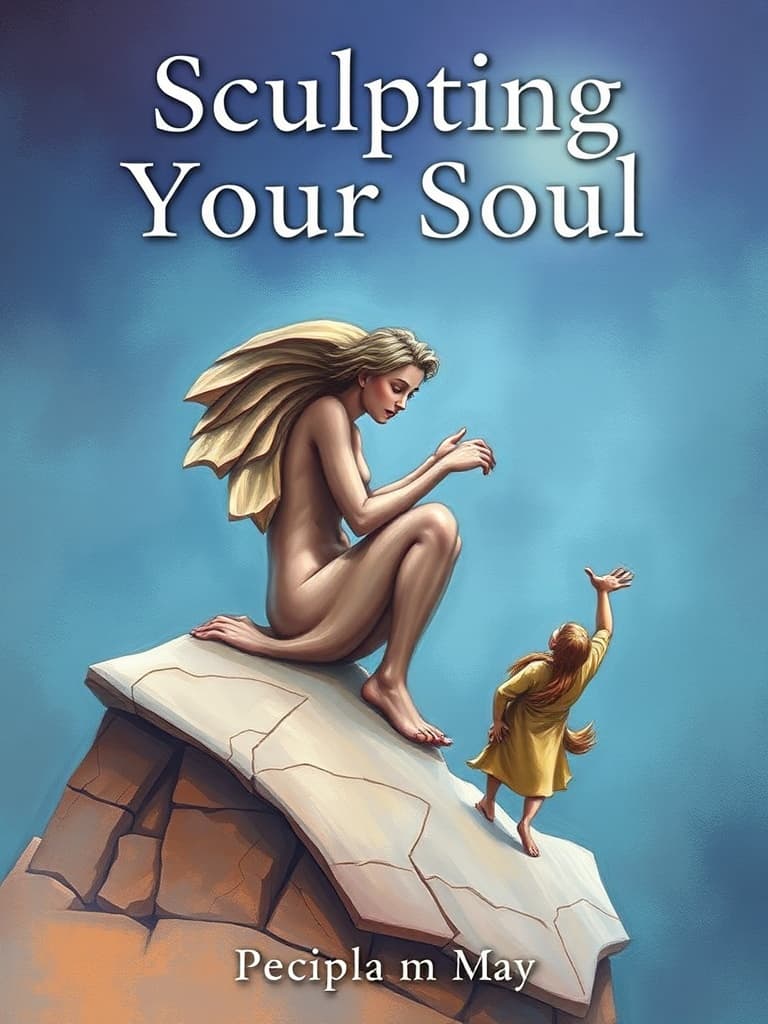
About this book
Sculpting Your Soul
9
0
20
0
Dear Readers, Just like Yours My life has been filled with ups, downs triumphs,setbacks,sadness and ,joy There have been a great many years when I felt lonely but I was never alone because I hade Our Creator and Myself plus the love of nature , wild life and FurBabies. It took Me a great many years to realize that to be loved ,liked and accepted. I had to do the same for Myself first and foremost. I did learn at the age of 9( 1969) that life is like a lotus blossom..each flower gas 3 petals ,each petal is a road or.path and which ever path I chose the right left or middle was mine alone and no one could alter My destiny..it's like every day You wake up Our Creator gave us each our own fresh sheet of drawing paper to create a new drawing and story to tell and when We go to bed our Creator tears up and throws away that paper and gives each of us a new one to start fresh each and every day No One has the right to change us just to suit or please them. If someone wants You in their life they alone must accept You unconditionally.lumps bumps warts and all...You have the power with in You to stop bullying and being put down...You are Your very own knight in shining armour. You are Warrior. Amighty force.. A Malestrom .Be A Leader Never A Follower... Don't rely on People to bake You out Don't rely on Mom and Dad etc. Don't rely on inheritance. Children if all ages do not have the right to any family money..get a job create one if You can't find one. Forge Your Own Path. Stop feeling sorry fight... If You have a physical or learning setback force forward and make Your dreams come true..I believe in You. !!!!
Chapters
- 1The Crumpled Canvas: A Life's Misguided SketchChapter 1 opens with the protagonist, referred to as 'The Dreamer' in their character profile, waking up to a grey, oppressive morning. The room is a physical manifestation of their inner turmoil: clothes strewn about, bills piled high, and a general air of disarray. The narrative immediately establishes their current state of being as 'a bit of a mess after a string of bad luck.' We delve into the specifics of this 'bad luck' through fragmented flashbacks and internal monologues. These flashbacks aren't linear but rather sharp, painful stabs of memory: a failed business venture that left them financially ruined, a betrayal by a close friend that shattered their trust, a romantic relationship that imploded spectacularly, leaving them emotionally raw and questioning their own worth. The feeling of being 'lost and unloved' is palpable. The Dreamer stares at their reflection in a smudged mirror, barely recognizing the hollow eyes staring back. They feel like a 'discarded sketch,' a person whose potential has been irrevocably damaged, leaving only faint lines of what could have been. The external world mirrors their internal desolation – a constant drizzle outside, a city that feels indifferent to their plight, and the distant, mocking laughter of people who seem to have it all together. The Dreamer’s initial interactions are with their environment, highlighting their inertia and despair. They might attempt to make a cup of coffee, only to find the milk has soured, or try to pay a bill online and be met with a 'insufficient funds' notification. These small failures are magnified by their already fragile state, reinforcing the narrative of being overwhelmed. The chapter will explore the deep-seated belief that they are inherently flawed, that their misfortunes are a direct result of some fundamental deficiency within them. This self-blame is a heavy cloak they wear. The author's voice (Amy Kathryn Allen) should subtly weave through the narrative, offering glimpses of empathy and a hint of the profound wisdom to come, but for now, the focus is on the depth of The Dreamer's despair. The Inner Critic (Character 2) is already present, though perhaps not yet fully personified, its voice a low hum of negative self-talk: 'See? You can't even do this right.' 'No wonder everything falls apart for you.' 'You're just not good enough.' The Dreamer might interact with their 'FurBabies' (Character 1), seeking comfort in their simple, uncomplicated affection, but even this is tinged with sadness, a reminder of the human connections they feel they've lost. The scene at the park, where they sit on a damp bench, observing families and happy couples, serves as a stark contrast to their isolation. Their interaction with nature is one of passive observation, a melancholic appreciation of beauty they feel excluded from. The chapter will build towards a point of utter resignation, a feeling of being at rock bottom, where the only way is up, but the climb seems impossible. The ending hook will be The Dreamer collapsing onto their unmade bed, the weight of their failures pressing down, a silent, desperate plea for a reprieve that seems impossibly far away. The emotional arc is one of profound sadness, helplessness, and a yearning for something—anything—to change. Continuity note: Ensure the 'bad luck' is established as a series of events, not a single catastrophic incident, allowing for the exploration of multiple sources of pain. The presence of the FurBabies and the appreciation for nature should be introduced early as nascent sources of comfort, even if currently overshadowed by despair. The Inner Critic’s voice should be subtle, a pervasive feeling of worthlessness rather than an overt dialogue. The chapter must establish the protagonist's current low point to make their eventual transformation more impactful. The sense of being 'unloved' should extend beyond romantic relationships to a general feeling of not being valued or accepted by the world at large. The author's underlying message of hope needs to be present but not overt, like a faint warmth beneath the chilling depiction of The Dreamer's current reality. The visual of the 'crumpled canvas' should be a recurring motif, representing their damaged self-image and potential. The chapter aims to immerse the reader in The Dreamer's emotional landscape, making their eventual journey of self-discovery deeply resonant. The narrative should convey the feeling of being stuck, of life happening *to* them rather than them actively participating in it. The sheer exhaustion that comes from constant struggle should be evident in their movements and thoughts. The contrast between their inner turmoil and the external world's perceived normalcy will heighten the sense of alienation. The protagonist's initial attempts to engage with daily tasks will be fraught with difficulty, emphasizing their current incapacitation by despair. The ending should leave the reader with a profound sense of empathy for The Dreamer and a strong desire to see them find a way out of their current predicament. The groundwork for the 'lotus blossom' metaphor will be indirectly laid by the contrast between the protagonist's current state and the inherent beauty of the natural world they observe. The chapter's tone will be predominantly melancholic and introspective, with moments of sharp, painful recollection. The pacing will be deliberate, allowing the reader to fully absorb the protagonist's emotional state. The third-person point of view will maintain a degree of distance, yet allow for deep dives into The Dreamer's internal world. The author, Amy Kathryn Allen, will establish her empathetic voice through subtle narrative framing and the underlying tone of the prose, even as she depicts the protagonist's struggles.
- 2Whispers of Doubt: The Inner Critic's SymphonyChapter 2 plunges deeper into the protagonist's internal landscape, focusing on the insidious voice of The Inner Critic (Character 2). This chapter personifies the self-doubt that plagues The Dreamer, transforming abstract insecurities into a tangible, albeit internal, antagonist. The Inner Critic isn't a single voice but a cacophony of past judgments, betrayals, and perceived failures, all amplified and weaponized against The Dreamer. We see this through The Dreamer’s daily interactions, where every minor setback is met with a chorus of negative affirmations. For instance, if they stumble on the sidewalk, The Inner Critic might shriek, 'Clumsy idiot! Can't even walk straight!' If they try to initiate a conversation and it falls flat, the voice hisses, 'See? Nobody wants to talk to you. You’re boring and awkward.' The chapter will explore the origins of this Inner Critic, weaving in fragmented memories of childhood bullies, critical parents, dismissive teachers, and unsupportive peers. These are not necessarily presented as direct flashbacks but as echoes that The Inner Critic manipulates and reinterprets. The scene where The Dreamer scrolls through social media will be particularly potent. They’ll see curated images of others' successes and happiness, and The Inner Critic will seize upon this, declaring, 'Look at them. They’ve got it all. And you? You’re still stuck. You’ll always be stuck.' The yearning for external validation is a central theme here. The Dreamer desperately wants to be liked, accepted, and loved, but The Inner Critic constantly tells them they are unworthy of it. This creates a vicious cycle: the desire for acceptance fuels insecurity, which The Inner Critic exploits, further diminishing The Dreamer’s self-worth, and thus increasing their desperate need for external approval. The chapter will feature a scene where The Dreamer attempts to pursue a small personal goal – perhaps writing a poem, sketching an idea, or even just preparing a healthy meal. The Inner Critic will relentlessly sabotage these efforts, pointing out every perceived flaw, every misplaced word or line, every ingredient that isn’t ‘perfect.’ The Dreamer might abandon the task, feeling defeated, and The Inner Critic will chime in with a smug, 'I told you so.' The FurBabies (Character 1) will again offer a contrast to this internal torment. Their simple, unconditional affection serves as a brief respite, a moment where The Dreamer can feel a flicker of warmth without judgment. However, The Inner Critic will often try to diminish this too, perhaps by suggesting, 'They only love you because they have to. They don’t understand your real flaws.' The scene in nature, perhaps sitting by a lake or under a tree, will be different from Chapter 1. Here, the beauty of nature might initially offer solace, but The Inner Critic will find ways to taint it, whispering, 'Even this beauty is wasted on you.' The Dreamer’s internal struggle will be depicted through physical manifestations: a clenched jaw, a tight chest, fidgeting hands, a tendency to avoid eye contact. The chapter needs to convey the sheer exhaustion of constantly battling this internal voice. The author’s voice, Amy Kathryn Allen, will subtly highlight the manipulative nature of The Inner Critic, framing its pronouncements as distortions rather than truths, even as The Dreamer believes them implicitly. The Lotus Blossom (Character 3) metaphor might be briefly touched upon, perhaps The Dreamer seeing a wilting flower and feeling a kinship, but The Inner Critic will quickly dismiss any notion of resilience or potential for renewal. The chapter will end with The Dreamer feeling more isolated and defeated than before, the whispers of doubt having grown into a deafening roar, leaving them questioning if there is any hope for escape. The emotional arc is one of escalating internal conflict, despair fueled by self-condemnation, and a profound sense of being trapped by one's own mind. Continuity note: Ensure the 'past bullies' and sources of insecurity are hinted at but not fully revealed, leaving room for later exploration. The Inner Critic's voice should be varied, reflecting different past influences. The contrast with the FurBabies' love should be sharp and poignant. The chapter aims to make the reader understand the depth of The Dreamer's internal struggle, making their eventual victory over The Inner Critic feel earned. The concept of 'external validation' will be central, showing how The Dreamer's actions and thoughts are driven by the desire for it, even as they deny it. The pacing will be more intense than Chapter 1, reflecting the heightened internal conflict. The third-person POV will allow for close access to The Dreamer's thoughts and the intrusive dialogue of The Inner Critic. The author's tone will be empathetic yet incisive, dissecting the mechanics of self-doubt. The chapter's primary goal is to establish the primary internal antagonist and the protagonist's current vulnerability to it, setting the stage for the eventual confrontation and the realization of self-acceptance.
- 3The Spark of Solace: Nature's Unconditional EmbraceChapter 3 marks a subtle but crucial shift in The Dreamer's journey. While the echoes of The Inner Critic (Character 2) still linger, the focus moves towards the nascent sources of comfort and healing. This chapter is about finding 'a glimmer of peace amidst the chaos,' primarily through the protagonist's connection with nature and their FurBabies (Character 1). The Dreamer, feeling overwhelmed and suffocated by their internal struggles and the harsh realities of their life, actively seeks refuge. This seeking isn't necessarily a conscious decision for self-help, but more of an instinctual pull towards environments that offer a respite from the noise of their own thoughts and the demands of the world. The chapter will open with The Dreamer taking a deliberate step outside, perhaps to a local park, a forest trail, or even just their own small, neglected garden. The initial moments might still be clouded by doubt, but as they immerse themselves in the natural world, a subtle change begins to occur. The sensory details will be paramount here: the feel of the sun on their skin, the scent of damp earth and pine needles, the sound of birdsong, the rustling of leaves in the wind. These simple, unadulterated sensations begin to drown out the harsh pronouncements of The Inner Critic. The narrative will detail The Dreamer observing the intricate details of nature: a spider's web glistening with dew, a perfectly formed leaf, the slow, steady growth of a tree. These observations, free from the judgment of human interaction, offer a different perspective – one of quiet resilience and inherent beauty. The FurBabies will be central to this chapter. Their presence provides a tangible, immediate source of unconditional love. The Dreamer will engage in simple acts of affection: stroking their soft fur, playing a gentle game of fetch, or simply holding them close. The FurBabies' unwavering adoration, their complete acceptance of The Dreamer 'warts and all,' serves as a powerful counterpoint to The Inner Critic's constant barrage of negativity. A scene might involve The Dreamer confiding in their pet, not expecting a response, but finding solace in the act of sharing their burden with a non-judgmental listener. The narrative will explore how this unconditional love begins to chip away at The Dreamer’s deeply ingrained belief that they are fundamentally unlovable. The connection with nature will also be depicted as a form of spiritual anchor. The vastness of the sky, the ancient wisdom of old trees, the cyclical patterns of growth and decay – these elements provide a sense of perspective, reminding The Dreamer that their personal struggles, while immense, are part of a larger, enduring existence. The Inner Critic will attempt to intrude, perhaps by whispering, 'This is just a distraction. You can't escape your problems by looking at a tree,' but its voice will be less potent, its grip loosened by the overwhelming peace offered by the natural world and the FurBabies. The author’s voice, Amy Kathryn Allen, will be more prominent here, infusing the narrative with a gentle, nurturing tone, emphasizing the restorative power of nature and animals. The Lotus Blossom (Character 3) metaphor might be subtly introduced through the observation of a lotus flower in a pond, its beauty emerging from murky waters, symbolizing the potential for beauty to arise from difficult circumstances. The chapter will build towards a moment of genuine, albeit temporary, peace for The Dreamer. They might sit in quiet contemplation, feeling a sense of belonging and acceptance that has been absent for so long. The ending hook will be The Dreamer experiencing a moment of profound gratitude, a heartfelt acknowledgment of the solace they've found, leaving them with a fragile but persistent hope that perhaps they are not entirely alone or unlovable. The emotional arc is one of finding refuge, experiencing a balm for the wounded spirit, and the dawning realization that acceptance can be found outside of human validation. Continuity note: The FurBabies and nature should be established as consistent sources of comfort. The Inner Critic's presence should be diminished but not eradicated. The chapter's aim is to provide a respite and lay the foundation for The Dreamer's understanding of self-acceptance, drawing parallels between the unconditional nature of animals and the Creator's love to come. The pacing will be slower and more meditative than the previous chapters, allowing the reader to experience the calming effect. The third-person POV will allow for detailed descriptions of the natural world and The Dreamer's sensory experiences. The author's tone will be warm and encouraging, highlighting the healing power of simple connections.
- 4The Lotus Blooms: A Metaphor for Destiny's ChoiceChapter 4 is the pivotal moment, the 'aha!' realization that reshapes The Dreamer's entire perspective. This chapter centers on the profound understanding of life as a series of choices, symbolized by the 'Lotus Blossom' (Character 3). The Dreamer, perhaps during one of their moments of solace in nature from Chapter 3, observes a lotus flower in its full glory. The narrative will describe the lotus in detail: its roots deep in the mud, its stem rising through murky water, and its beautiful, pristine petals unfurling towards the sun. This visual becomes the catalyst for a profound internal shift. The Dreamer, previously feeling trapped by their circumstances and past traumas, begins to grasp the concept of agency. The Inner Critic (Character 2) might attempt to interject, whispering doubts about their ability to ever achieve such beauty, but the image of the lotus becomes a powerful counter-argument. The chapter will delve into the metaphor: each petal representing a path, a choice, a road in life. The Dreamer realizes that they have always had three primary choices – left, right, or middle – at every junction, and the path they chose was 'mine alone and no one could alter My destiny.' This is the core realization: their destiny is not predetermined by external forces or past events, but actively shaped by their own decisions. The narrative will explore this concept through The Dreamer reflecting on past choices, not with regret, but with a new understanding. They might recall a time they felt forced into a decision, but now see how they still made a choice, however difficult or seemingly limited. This chapter is about reclaiming ownership of their life. The Creator (Character 4) is implicitly present as the provider of this realization, the force that allows such clarity to emerge. The Dreamer understands that while life presents challenges (the mud and water), the outcome (the bloom) is dependent on their navigation and choices. The chapter will contrast The Dreamer's previous passive acceptance of fate with this newfound understanding of active participation. The Inner Critic will be present, attempting to undermine this realization by highlighting past 'wrong' choices and predicting future failures. However, The Dreamer's internal response will be different. Instead of succumbing, they will begin to counter The Inner Critic's voice with the lotus metaphor. For example, if The Inner Critic says, 'You'll never succeed,' The Dreamer might internally respond, 'But I can choose to try again, just like the lotus reaches for the sun.' The author's voice, Amy Kathryn Allen, will guide the reader through this profound shift, emphasizing the empowering nature of personal responsibility and choice. The scene might involve The Dreamer actively choosing to change a small aspect of their immediate environment – tidying a corner of their room, planning a healthy meal, or organizing a specific task. These small acts are symbolic of their larger decision to take control. The chapter will build towards a moment of clarity and empowerment. The Dreamer feels a sense of liberation, a release from the burden of feeling like a victim. The ending hook will be The Dreamer looking at their hands, the instruments of their future choices, and feeling a surge of determination, ready to embrace the power they now understand they possess. The emotional arc is one of epiphany, empowerment, and the dawning realization of personal agency. Continuity note: The lotus blossom metaphor must be central and clearly explained. The contrast between past helplessness and present empowerment should be stark. The Inner Critic's attempts to disrupt this realization should be present but less effective than before. The chapter aims to solidify the protagonist's understanding of their own power to shape their destiny, setting the stage for active change. The connection to the Creator as the source of this clarity will be implied, preparing for later chapters. The pacing will be deliberate, allowing the reader to absorb the profound implications of this realization. The third-person POV will allow for a clear depiction of The Dreamer’s internal monologue as they process this new understanding. The author's tone will be inspiring and hopeful, marking a significant turning point in the narrative.
- 6Confronting the Echoes: Silencing the Inner Critic's RoarChapter 6 marks the active phase of The Dreamer's internal battle. Having understood the nature of their destiny and the gift of daily renewal, they now turn their attention to confronting the sources of their persistent self-doubt – the echoes of past bullies and the amplified voice of The Inner Critic (Character 2). This chapter is about actively dismantling the power that external negativity and internal criticism have held over them. The Dreamer begins to recognize that while The Inner Critic's voice is a product of past experiences, it no longer serves them. They start to question the validity of its pronouncements, viewing them as distorted memories rather than objective truths. The narrative will depict The Dreamer engaging in a form of 'internal dialogue' or 'exposure therapy' with their own mind. This might involve consciously recalling a painful memory associated with a bully or a moment of intense self-criticism. Instead of immediately succumbing to the associated emotions, The Dreamer now pauses. They acknowledge the memory and the feelings it evokes, but then they consciously reframe it. For example, if The Inner Critic conjures the memory of a childhood taunt about their appearance, The Dreamer might acknowledge the cruelty of the statement but then remind themselves, 'That was someone else's opinion, rooted in their own issues. It doesn't define my worth.' The chapter will explore the idea that 'no one has the right to change us just to suit or please them.' The Dreamer starts to internalize this, understanding that the opinions and actions of others, especially those who caused pain, are reflections of those individuals, not of The Dreamer's inherent value. The Inner Critic will fight back. It will try to amplify the pain of these memories, to convince The Dreamer that confronting them is futile or even dangerous. The narrative will show The Dreamer experiencing moments of vulnerability and fear during this process, but their commitment to healing will be stronger. The FurBabies (Character 1) and nature will continue to be sources of comfort and stability, providing a safe harbor from the internal storm. A scene might involve The Dreamer sitting in nature, using the calm environment to process difficult emotions. The Creator (Character 4) is present as the silent strength that empowers The Dreamer to face these challenges. The author’s voice, Amy Kathryn Allen, will guide the reader through this challenging but ultimately liberating process. The focus is on the courage it takes to revisit past wounds and the transformative power of reclaiming one's narrative. The chapter will illustrate how The Dreamer begins to actively challenge The Inner Critic's pronouncements. When the voice says, 'You're going to fail,' The Dreamer might respond, 'I choose to try, and I will learn from whatever happens.' This is not about denying the possibility of failure, but about choosing to act despite it. The ending hook will be The Dreamer experiencing a moment of significant release – a palpable lessening of the weight of past trauma. They might feel a sense of quiet triumph, realizing that The Inner Critic's power is indeed waning, and the echoes of the past are beginning to fade into a more manageable hum. The emotional arc is one of active confrontation, reframing past pain, and the growing realization that the internal critic's power is not absolute. Continuity note: The confrontation should be depicted as an ongoing process, not a single event. The Inner Critic's attempts to regain control should be evident. The Dreamer's growing ability to challenge negative thoughts should be demonstrated. The chapter aims to show the protagonist actively engaging with their past traumas and insecurities, marking a transition from passive suffering to active healing. The pacing may vary, with moments of intense emotional struggle interspersed with periods of quiet reflection. The third-person POV will allow for a deep exploration of The Dreamer’s internal battles and their evolving coping mechanisms. The author's tone will be encouraging and empowering, celebrating the bravery required for this stage of healing.
- 7The Warrior Within: Embracing the Knight's ArmorChapter 7 solidifies the internal shift initiated in Chapter 6. The Dreamer has begun to confront their past and quiet The Inner Critic (Character 2), and now they fully embrace their own inherent strength, recognizing themselves as 'their very own knight in shining armor.' This chapter is about the active embodiment of self-reliance and the shedding of the victim mentality. The narrative will depict The Dreamer stepping into this new identity with a growing sense of conviction. The 'shining armor' isn't literal; it's the metaphorical armor of self-belief, resilience, and unwavering self-acceptance. The Inner Critic's voice, though still present, is now perceived as an external nuisance rather than an internal dictator. The Dreamer learns to recognize its patterns and dismiss its pronouncements with a newfound confidence. The chapter will feature scenes where The Dreamer faces challenges that, in the past, would have sent them spiraling into despair. These might be everyday obstacles – a difficult work task, a minor conflict, or an unexpected expense. However, instead of reacting with fear and self-doubt, The Dreamer now approaches these situations with a calm determination. They draw upon their inner resources, remembering the lessons learned from nature, the unconditional love of their FurBabies (Character 1), and the profound realization of their own agency. The author's voice, Amy Kathryn Allen, will infuse this chapter with a sense of growing power and self-assurance. The focus is on the protagonist's transformation from someone who felt powerless to someone who feels capable and strong. The narrative will highlight the internal shift: the change in posture, the steadier gaze, the more decisive actions. The Dreamer begins to trust their own judgment and intuition. They understand that relying on others for rescue or validation is no longer necessary because they have found that strength within themselves. The concept of being a 'warrior' is explored not as aggression, but as a fierce dedication to their own well-being and happiness. They are willing to fight for themselves, to protect their peace, and to pursue their dreams with unwavering resolve. The Creator (Character 4) is present as the ultimate source of this inner strength, the divine spark that The Dreamer has learned to access. The chapter will include moments where The Dreamer consciously chooses to act in their own best interest, even if it means making difficult decisions or setting boundaries. For instance, they might choose to decline an invitation that would drain their energy or stand up for themselves in a situation where they would have previously remained silent. The ending hook will be The Dreamer standing tall, facing a challenge with a calm, resolute expression, and a quiet inner voice that says, 'I've got this.' They feel the metaphorical armor settling into place, not as a burden, but as a protective and empowering extension of themselves. The emotional arc is one of embracing inner strength, cultivating self-reliance, and embodying the warrior spirit. Continuity note: The Inner Critic's attempts to undermine The Dreamer should be present but consistently rebuffed. The Dreamer's growing self-confidence should be evident in their actions and internal monologue. The chapter aims to solidify the protagonist's internal transformation into a self-assured individual, ready to take on life's challenges. The pacing will be steady and empowering, reflecting the protagonist's growing strength. The third-person POV will allow for the depiction of both The Dreamer's outward actions and their internal conviction. The author's tone will be one of admiration and inspiration, celebrating the profound power of self-belief.
- 9Forging the Path: Creating Opportunity from NothingChapter 9 thrusts The Dreamer into the active pursuit of their goals, embodying the principle of 'forging their own path' and creating opportunities where none seem to exist. Building on the self-reliance established in previous chapters, this installment focuses on proactive creation rather than passive waiting. The Dreamer understands that 'inheritance' and relying on others for success are not viable options; true wealth and fulfillment are built through personal effort and ingenuity. The narrative will depict The Dreamer taking concrete steps towards their aspirations. This might involve learning a new skill, starting a small side project, networking with intention, or even creating a job for themselves if traditional avenues are blocked. The author's voice, Amy Kathryn Allen, will infuse this chapter with a spirit of relentless determination and creative problem-solving. The focus is on the protagonist's resourcefulness and their refusal to be limited by perceived obstacles. The Inner Critic (Character 2) will likely resurface, attempting to sow doubt by highlighting the difficulty of the tasks ahead or the potential for failure. However, The Dreamer, now a seasoned warrior, can counter these whispers with the knowledge that 'setbacks are merely detours, not dead ends.' They understand that mistakes are learning opportunities and that perseverance is key. The FurBabies (Character 1) and nature continue to offer grounding and a sense of peace, reminding The Dreamer of the simple joys that fuel their efforts. A scene might involve The Dreamer working late into the night, fueled by passion and a vision for their future, finding solace in the quiet dedication to their craft. The Creator (Character 4) is present as the silent force that guides their intuition and strengthens their resolve. The chapter will illustrate the process of innovation and entrepreneurship, even on a small scale. The Dreamer might experiment, adapt, and pivot as needed, demonstrating flexibility and resilience. They learn to leverage their unique strengths and perspectives to overcome challenges. The narrative will emphasize the satisfaction that comes from building something tangible through one's own efforts, a stark contrast to the emptiness of waiting for external solutions. The concept of 'creating one if You can't find one' will be central to The Dreamer's approach to their career or personal projects. The ending hook will be The Dreamer achieving a small but significant milestone in their pursuit – a successful presentation, a completed project, or the acquisition of a new skill that opens up new possibilities. This achievement, born from their own effort, will serve as a powerful validation of their chosen path and a testament to their ability to forge their own destiny. The emotional arc is one of proactive creation, demonstrating resilience in the face of challenges, and experiencing the satisfaction of self-generated success. Continuity note: The protagonist's active pursuit of their goals and their creation of opportunities should be clearly depicted. The Inner Critic's attempts to derail their efforts should be present but increasingly ineffective. The chapter aims to showcase the protagonist's ability to manifest their dreams through hard work and determination. The pacing will be energetic and driven, reflecting the protagonist's active engagement with their goals. The third-person POV will allow for the depiction of both the protagonist's actions and their internal thought processes as they navigate challenges. The author's tone will be one of inspiration and encouragement, celebrating the power of human ingenuity and perseverance.
- 10The Independent Spirit: Wealth Beyond InheritanceChapter 10 delves into the protagonist's evolving understanding of value and fulfillment, emphasizing self-sufficiency and the rejection of external reliance, particularly concerning financial matters. The Dreamer, having embraced the 'independent spirit,' understands that true wealth lies not in inheritance or monetary windfalls, but in the capacity to create, contribute, and sustain oneself. This chapter moves away from the anxieties of financial lack that may have plagued them, focusing instead on the empowerment that comes from self-reliance. The narrative will depict The Dreamer actively working towards financial independence, not necessarily through grand schemes, but through consistent effort, smart choices, and a commitment to their own capabilities. They understand that 'children if all ages do not have the right to any family money' and that true inheritance is the skills and resilience they cultivate within themselves. The author's voice, Amy Kathryn Allen, will infuse this chapter with a sense of grounded wisdom and a celebration of honest work. The focus is on the dignity and satisfaction derived from earning one's way. The Inner Critic (Character 2) might attempt to surface with anxieties about financial security or comparisons to those who have inherited wealth. However, The Dreamer's growing self-worth allows them to dismiss these concerns, recognizing that their value is not tied to their bank account or their family's legacy. The FurBabies (Character 1) and nature continue to provide a sense of contentment and perspective, reminding The Dreamer that happiness is not solely dependent on material possessions. A scene might involve The Dreamer enjoying a simple pleasure – a walk in nature, playing with their pets – and feeling a profound sense of richness that has nothing to do with money. The Creator (Character 4) is present as the ultimate provider, not necessarily of material wealth, but of the opportunities and the inner strength to create it. The chapter will explore the idea that true independence is a mindset, a belief in one's ability to navigate life's financial currents. The Dreamer might make conscious choices to live within their means, to invest in their own development, and to find joy in experiences rather than possessions. The narrative will contrast the fleeting satisfaction of inherited wealth with the enduring pride of self-made success. The Dreamer learns to appreciate the value of their labor and the security that comes from knowing they can provide for themselves. The ending hook will be The Dreamer experiencing a moment of financial stability that they have directly earned. This could be the successful payment of a significant bill, the ability to purchase something they need or want through their own efforts, or simply a feeling of peace regarding their financial situation, knowing they are on a solid, self-created path. This moment will serve as a powerful affirmation of their independent spirit. The emotional arc is one of embracing self-sufficiency, redefining value beyond material wealth, and experiencing the quiet confidence of financial independence. Continuity note: The protagonist's commitment to earning their own way and their detachment from the idea of inherited wealth should be clear. The Inner Critic's financial anxieties should be present but overcome. The chapter aims to showcase the protagonist's maturation into a self-sustaining individual, whose worth is measured by their character and actions, not their possessions. The pacing will be steady and grounded, reflecting the protagonist's practical approach to life. The third-person POV will allow for the depiction of both the protagonist's actions and their internal reflections on the nature of true wealth. The author's tone will be one of respect and admiration for the protagonist's dedication to self-reliance and integrity.
- 11Warts and All: The Art of Unconditional Self-AcceptanceChapter 11 marks a profound deepening of The Dreamer's self-love journey. Having established independence and resilience, they now turn inward to embrace their imperfections, understanding that true acceptance comes from loving themselves 'warts and all.' This chapter is about shedding the last vestiges of self-judgment and celebrating their unique, multifaceted self. The narrative will depict The Dreamer actively engaging with their perceived flaws – physical imperfections, past mistakes, personality quirks – not with shame, but with a gentle, compassionate understanding. They begin to see these 'lumps and bumps' not as defects, but as integral parts of their unique tapestry, the very things that make them who they are. The author's voice, Amy Kathryn Allen, will infuse this chapter with a warm, tender, and deeply compassionate tone. The focus is on the liberating power of self-compassion and the realization that perfection is an unattainable and undesirable ideal. The Inner Critic (Character 2) will likely make a final, desperate attempt to cling to its power, attempting to magnify any perceived flaw. However, The Dreamer's growing self-acceptance acts as a shield. They can now acknowledge the Inner Critic's voice without internalizing its negativity. A scene might involve The Dreamer looking in the mirror and, instead of focusing on perceived imperfections, seeing the resilience, the journey, and the inherent worth reflected in their eyes. They might even find a sense of affection for these unique characteristics, recognizing them as part of their personal history and identity. The FurBabies (Character 1) and nature continue to be sources of unconditional love and acceptance, mirroring the love The Dreamer is learning to give themselves. Their simple presence reinforces the idea that wholeness, not flawlessness, is the goal. The Creator (Character 4) is present as the ultimate source of this unconditional love, a divine reflection of the self-love The Dreamer is cultivating. The chapter will explore the idea that trying to hide or erase one's imperfections is a form of self-rejection. By embracing them, The Dreamer liberates themselves from the exhausting pursuit of an unrealistic ideal. They understand that vulnerability is not weakness, but a profound strength. The narrative will illustrate how this self-acceptance radiates outward, impacting their relationships and their overall outlook on life. They become more authentic, more present, and more at peace with themselves. The ending hook will be The Dreamer experiencing a moment of pure, unadulterated self-love. This might be a quiet moment of contentment, a genuine smile at their own reflection, or a heartfelt acknowledgment of their own worth, independent of any external validation. They feel a profound sense of peace and completeness, having finally arrived at a place of true self-acceptance. The emotional arc is one of embracing imperfection, cultivating self-compassion, and experiencing the profound liberation of unconditional self-love. Continuity note: The protagonist's active acceptance of their flaws should be evident in their thoughts and actions. The Inner Critic's attempts to highlight imperfections should be present but clearly countered by self-compassion. The chapter aims to depict the protagonist's complete embrace of their authentic self, flaws and all. The pacing will be gentle and reflective, allowing the reader to absorb the profound message of self-acceptance. The third-person POV will allow for a deep exploration of The Dreamer's internal shift towards self-compassion. The author's tone will be warm, intimate, and deeply affirming, celebrating the beauty of human imperfection.
- 12The Malestrom Rises: Unleashing Inner PowerChapter 12 marks a dramatic escalation of The Dreamer's transformation. Having embraced self-acceptance, they now tap into a powerful, dynamic force within themselves, becoming a 'Malestrom' – an unstoppable energy ready to tackle any challenge. This chapter is about the full unleashing of their potential, moving beyond mere resilience to a state of proactive, powerful engagement with life. The narrative will depict The Dreamer exhibiting a newfound dynamism and confidence in their actions. The 'Malestrom' is not about destructive chaos, but about an overwhelming, positive force of will, creativity, and determination that propels them forward. The Inner Critic (Character 2), if it still exists, is utterly dwarfed by this surge of power and is rendered insignificant. The author's voice, Amy Kathryn Allen, will infuse this chapter with an exhilarating, high-energy tone, celebrating the boundless potential of the human spirit when fully awakened. The focus is on the protagonist's transformation from someone who was once lost and doubting to a powerful, driving force for their own life and potentially for others. Scenes will depict The Dreamer tackling significant goals with an almost effortless momentum. This could involve taking on ambitious projects, overcoming formidable obstacles with surprising ease, or inspiring those around them through their sheer drive and conviction. The FurBabies (Character 1) and nature provide a grounding energy, a reminder of the balance that fuels this power. They are the calm eye of the storm, the stable foundation from which this 'Malestrom' emanates. The Creator (Character 4) is the ultimate source of this immense power, the divine energy that The Dreamer has learned to channel and embody. The chapter will explore the idea that true power comes not from dominance over others, but from the unshakeable conviction in one's own capabilities and purpose. The Dreamer is no longer reacting to life; they are actively shaping it, creating waves of positive change. The narrative will emphasize the feeling of being 'in the flow,' where challenges are met with creative solutions and setbacks are quickly overcome. This is the embodiment of being a 'Warrior' taken to its highest level – not just defending, but actively conquering. The ending hook will be The Dreamer initiating a significant, ambitious endeavor with an undeniable aura of power and success. This might be launching a new initiative, making a bold public statement, or embarking on a challenging journey. The key is the palpable sense that this 'Malestrom' is unstoppable, and its trajectory is one of powerful, positive impact. The emotional arc is one of ultimate empowerment, unleashing of potential, and embodying a dynamic, unstoppable force for positive change. Continuity note: The protagonist's immense power and drive should be evident in their actions and their impact on their surroundings. Any lingering traces of the Inner Critic should be completely overwhelmed. The chapter aims to showcase the protagonist at the peak of their personal power, a force of nature in their own right. The pacing will be fast-paced and exhilarating, mirroring the protagonist's dynamic energy. The third-person POV will allow for the depiction of both the protagonist's outward actions and the immense internal energy that fuels them. The author's tone will be awe-inspiring and celebratory, highlighting the extraordinary potential that lies within each individual.
- 13Defeating the Bully: Asserting the Right to Self-RespectChapter 13 shifts the focus from internal battles to external interactions, specifically addressing the protagonist's ability to stand up to and dismantle bullying and negativity directed at themselves and potentially others. The Dreamer, now a 'Malestrom' of inner strength, actively asserts their right to self-respect and refuses to be diminished by others' actions. This chapter is about the practical application of their newfound power in interpersonal dynamics. The narrative will depict The Dreamer encountering situations where they, or someone else, is being subjected to bullying, put-downs, or disrespectful behavior. Instead of retreating or internalizing the negativity, The Dreamer confronts it directly, but with the wisdom and self-assurance they have cultivated. They are no longer seeking external validation, so the sting of others' negativity is significantly reduced. The author's voice, Amy Kathryn Allen, will infuse this chapter with a tone of assertive empowerment and a strong sense of justice. The focus is on the protagonist's courage to speak up and their ability to set boundaries effectively. The Inner Critic (Character 2) is now a trivial concern, completely overshadowed by The Dreamer's conviction. The FurBabies (Character 1) and nature serve as a reminder of simple, pure acceptance, reinforcing The Dreamer's understanding of what true connection looks like, and by contrast, highlighting the toxicity of bullying. The Creator (Character 4) is present as the source of their unwavering moral compass and the strength to act with integrity. The chapter will explore the different forms that standing up to bullying can take: direct confrontation, setting firm boundaries, refusing to engage with negativity, or even offering support and encouragement to others who are being targeted. The Dreamer understands that they have the power within them to 'stop bullying and being put down.' They may use their influence or their voice to advocate for themselves and for others, demonstrating that they are not just a warrior for themselves, but a protector of dignity. The narrative will illustrate how The Dreamer's calm confidence and refusal to be provoked can often disarm bullies, stripping them of their power. They are not engaging in a fight; they are asserting their inherent worth and demanding respect. The ending hook will be The Dreamer successfully de-escalating a bullying situation, either by confronting the aggressor with clear boundaries or by supporting a victim, leaving the situation with a sense of resolution and reinforcing their role as a force for positive change and self-respect. The emotional arc is one of assertive empowerment, effective boundary setting, and the triumph of self-respect over negativity. Continuity note: The protagonist's ability to confront bullying and negativity should be demonstrated through specific interactions. The Inner Critic should be non-existent or completely irrelevant. The chapter aims to show the protagonist actively using their strength to protect themselves and uphold the principles of respect and dignity. The pacing will be direct and impactful, reflecting the protagonist's assertive approach. The third-person POV will allow for the depiction of both the protagonist's outward actions and their internal resolve to stand firm. The author's tone will be one of firm encouragement and admiration for the protagonist's courage in defending self-respect.
- 14Embracing the Setback: Reframing Limitations as PerspectivesChapter 14 focuses on The Dreamer's ability to embrace physical or learning 'setbacks' not as limitations, but as unique perspectives that can fuel their journey. This chapter is about redefining challenges and proving that dreams can be achieved regardless of perceived obstacles. The Dreamer, now a powerful force, understands that their journey is not about erasing challenges but about integrating them into their strength. The narrative will depict The Dreamer encountering situations that might have previously defined them as 'disabled' or 'incapable.' However, their evolved mindset allows them to reframe these experiences. A physical limitation might offer a different way of experiencing the world, fostering patience and keen observation. A learning difference might lead to creative problem-solving and a unique approach to information. The author's voice, Amy Kathryn Allen, will infuse this chapter with a tone of profound empathy, resilience, and unwavering belief in the potential of every individual. The focus is on the protagonist's determination to make their dreams come true, using their unique attributes as assets rather than hindrances. The Inner Critic (Character 2) is completely absent, replaced by a deep understanding and acceptance of their own capabilities. The FurBabies (Character 1) and nature continue to offer unconditional love and a reminder of the diverse beauty in the world, reinforcing the idea that all forms have value and purpose. The Creator (Character 4) is present as the source of their unique design and the strength to overcome any perceived barrier. The chapter will illustrate how The Dreamer actively works with their challenges, finding innovative ways to achieve their goals. They might adapt tools, seek alternative methods, or collaborate with others who complement their skills. The narrative will emphasize that 'forcing forward' is not about brute force, but about persistent, intelligent adaptation and an unwavering commitment to their vision. The concept of 'making dreams come true' is presented as a testament to human spirit and adaptability, proving that perceived limitations can often be the very catalysts for extraordinary achievement. The ending hook will be The Dreamer achieving a significant milestone or goal that directly addresses or utilizes their 'setback,' demonstrating that it was not an impediment but a part of their unique path to success. This achievement will serve as a powerful validation of their perspective and a testament to their unyielding spirit. The emotional arc is one of reframing challenges, embracing unique perspectives, and demonstrating unyielding determination in the pursuit of dreams. Continuity note: The protagonist's approach to their 'setbacks' should be proactive and positive, showcasing adaptation and resilience. The narrative should emphasize how these challenges become sources of strength and unique insight. The chapter aims to inspire readers to view their own perceived limitations as opportunities for growth and innovation. The pacing will be steady and determined, reflecting the protagonist's persistent effort. The third-person POV will allow for the depiction of both the protagonist's actions and their internal reframing of challenges. The author's tone will be deeply inspiring and affirming, celebrating the triumph of the human spirit over adversity.
- 15Nature's Quiet Wisdom: The Symphony of the WildChapter 15 returns to the profound connection between The Dreamer and the natural world, exploring the 'quiet wisdom' found in the rhythms and resilience of nature. Having embraced their inner strength and unique attributes, The Dreamer now finds deep peace and understanding in the wild, seeing it as a mirror to their own journey. The narrative will depict The Dreamer immersing themselves in natural settings – forests, mountains, coastlines – not just as a passive observer, but as an active participant in its cycles. They will notice the intricate details: the slow, steady growth of trees, the persistence of wildflowers pushing through concrete, the ebb and flow of tides, the interconnectedness of ecosystems. These observations will offer profound insights into patience, adaptability, and the inherent beauty of imperfection. The author's voice, Amy Kathryn Allen, will infuse this chapter with a serene, contemplative, and deeply spiritual tone. The focus is on the restorative power of nature and the profound lessons it offers about life, acceptance, and belonging. The Inner Critic (Character 2) is completely silent, its pronouncements rendered meaningless against the vast, enduring presence of the natural world. The FurBabies (Character 1) will be present, their simple joy and connection to nature mirroring The Dreamer's own growing sense of peace. A scene might involve The Dreamer sitting in silence, listening to the rustling leaves, the chirping birds, or the crashing waves, feeling a deep sense of connection and understanding that transcends words. They recognize that nature does not judge; it simply is, in all its magnificent diversity. The Creator (Character 4) is profoundly present in this chapter, not as a distant entity, but as the very essence of the natural world – the life force that animates all things. The Dreamer experiences a spiritual communion, feeling a sense of belonging and interconnectedness with all living things. The chapter will explore how nature's quiet wisdom helps The Dreamer to release any remaining anxieties or self-doubts. The cycles of nature – birth, growth, decay, renewal – offer a comforting perspective on life's journey, assuring them that challenges are temporary and that beauty can always re-emerge. The ending hook will be The Dreamer experiencing a moment of profound, quiet bliss in nature, a feeling of complete peace and belonging. They might be watching a sunset, a herd of animals, or the unfurling of a new bloom, and feel an overwhelming sense of gratitude for the wisdom and solace that nature provides, solidifying their inner peace. The emotional arc is one of finding profound peace, gaining spiritual wisdom, and experiencing deep belonging through connection with the natural world. Continuity note: The protagonist's deep appreciation and understanding of nature should be evident. The connection to the Creator through nature should be a central theme. The chapter aims to showcase the protagonist's inner peace and spiritual grounding derived from their relationship with the natural world. The pacing will be slow and meditative, allowing the reader to absorb the tranquility and wisdom of the natural environment. The third-person POV will allow for detailed sensory descriptions of nature and the protagonist's internal reflections. The author's tone will be reverent and awe-inspired, celebrating the profound healing and wisdom found in the natural world.
- 16Furry Companions' Love: The Unspoken Language of AcceptanceChapter 16 delves into the unwavering, unconditional love of The Dreamer's 'FurBabies' (Character 1) and how this pure affection serves as a constant, tangible reinforcement of their growing self-worth. Having found peace in nature and strength within themselves, The Dreamer now focuses on the profound impact of their animal companions. The narrative will depict the simple, yet powerful, interactions between The Dreamer and their pets. This includes the wagging tails, purring embraces, playful antics, and the silent, knowing gazes that communicate volumes. These moments are free from judgment, expectation, or the complexities of human relationships. The author's voice, Amy Kathryn Allen, will infuse this chapter with a tone of warmth, tenderness, and deep affection, celebrating the unique bond between humans and animals. The focus is on how this pure, uncomplicated love acts as a constant affirmation of The Dreamer's inherent value. The Inner Critic (Character 2) is entirely absent here, unable to penetrate the pure, unadulterated love offered by the FurBabies. Nature (from Chapter 15) serves as a backdrop, enhancing the sense of peace and belonging that these animals bring into The Dreamer's life. A scene might involve The Dreamer confiding their deepest fears or joys to their pet, receiving only a gentle lick or a comforting nuzzle in return, which is exactly the response they need – pure, unwavering presence and acceptance. The Creator (Character 4) is present as the ultimate source of this unconditional love, the divine energy that flows through all living beings, including these beloved companions. The chapter will explore how the FurBabies' unwavering acceptance helps The Dreamer to internalize the concept of being loved 'warts and all.' Their pets don't care about perceived flaws or past mistakes; they simply offer love and companionship. This consistent reinforcement helps to overwrite years of negative self-talk and external criticism. The narrative will emphasize that this love is not earned but freely given, a powerful lesson in self-acceptance for The Dreamer. They learn that they are worthy of love simply for existing. The ending hook will be The Dreamer experiencing a moment of profound gratitude for their FurBabies, perhaps during a quiet evening at home. They will look at their pets, feel the depth of their love, and have a clear, heartfelt realization: 'If they can love me unconditionally, then I can love myself unconditionally too.' This will be a significant step in their journey of self-love. The emotional arc is one of deep affection, tangible reinforcement of self-worth, and the profound understanding of unconditional love as a model for self-acceptance. Continuity note: The FurBabies should be portrayed as integral to The Dreamer's emotional well-being and a constant source of positive affirmation. The purity and unconditional nature of their love should be central. The chapter aims to highlight the powerful, healing influence of animal companionship in fostering self-love and acceptance. The pacing will be gentle and heartwarming, reflecting the comforting nature of the bond. The third-person POV will allow for the depiction of both the protagonist's actions with their pets and their internal realizations about the nature of love. The author's tone will be deeply affectionate and affirming, celebrating the profound and often understated impact of animal companions.
- 17The Creator's Gentle Hand: A Deeper Spiritual ConnectionChapter 17 focuses on The Dreamer's deepening spiritual connection with 'The Creator' (Character 4). Having navigated internal and external challenges, and found solace in nature and their FurBabies (Character 1), The Dreamer now experiences a profound sense of spiritual guidance and belonging, knowing they are never truly alone. The narrative will depict The Dreamer actively seeking and experiencing a more conscious connection with the divine. This is not necessarily through organized religion, but through a felt sense of presence, intuition, and a deep understanding of the universe's inherent order and love. The author's voice, Amy Kathryn Allen, will infuse this chapter with a tone of spiritual reverence, profound peace, and gentle guidance. The focus is on the comfort and strength derived from the knowledge of a benevolent, guiding force. The Inner Critic (Character 2) is completely irrelevant, its whispers silenced by the overwhelming presence of divine love and wisdom. Nature, as explored in Chapter 15, becomes a tangible manifestation of the Creator's presence, enhancing this spiritual connection. A scene might involve The Dreamer in prayer or meditation, not asking for specific favors, but simply expressing gratitude and seeking alignment with the divine will. They might receive intuitive nudges, moments of clarity, or a profound sense of peace that reassures them they are on the right path. The chapter will explore the idea that 'Our Creator gave us each our own fresh sheet of drawing paper' not just as a daily opportunity, but as a constant expression of love and faith in their potential. The Dreamer understands that their journey, with all its ups and downs, is part of a larger, divine plan. The narrative will emphasize the feeling of being held, supported, and guided, even in moments of difficulty. This spiritual connection provides a deep wellspring of resilience and hope. The concept of 'Our Creator and Myself' from the author's introductory text will be fully realized here, showcasing a harmonious partnership between the individual spirit and the divine. The ending hook will be The Dreamer experiencing a moment of profound spiritual revelation or deep inner peace, a clear and undeniable sense of the Creator's loving presence. This realization will solidify their faith and provide an unshakeable foundation for their continued journey, leaving them with a deep sense of purpose and belonging. The emotional arc is one of spiritual awakening, profound peace, and unwavering faith in a benevolent divine presence. Continuity note: The protagonist's spiritual connection should be depicted as growing and deepening, providing a source of strength and guidance. The Creator's presence should be felt as loving and supportive. The chapter aims to showcase the protagonist's ultimate sense of peace and belonging through their connection to the divine. The pacing will be calm and reflective, allowing the reader to experience the spiritual depth of the narrative. The third-person POV will allow for the depiction of both the protagonist's outward acts of devotion and their deep internal spiritual experiences. The author's tone will be sacred and uplifting, celebrating the profound connection between the human spirit and the divine.
- 18The Beacon Ignites: Inspiring Others with AuthenticityChapter 18 marks The Dreamer's transition from personal healing to becoming a source of inspiration for others. Having found their 'light,' they now begin to shine it outwards, becoming a 'beacon of self-acceptance and empowerment.' The narrative will depict The Dreamer naturally influencing those around them through their authenticity, resilience, and unwavering self-belief. This influence is not forced but arises organically from their transformed state. The author's voice, Amy Kathryn Allen, will infuse this chapter with a tone of hopeful encouragement and a celebration of shared humanity. The focus is on how The Dreamer's journey, once a deeply personal struggle, now serves as a testament to the power of self-love and resilience for others. The Inner Critic (Character 2) is entirely absent, replaced by the protagonist's desire to uplift and empower. Their FurBabies (Character 1) and the wisdom of nature continue to ground them, reminding them of the simple truths that have guided their path. A scene might involve The Dreamer sharing their story, not in a boastful way, but in a way that offers hope and practical advice to someone struggling with similar challenges. They might offer a listening ear, a word of encouragement, or simply embody the possibility of overcoming adversity. The Creator (Character 4) is present as the source of this light, the divine energy that The Dreamer now channels outwards to illuminate the path for others. The chapter will explore the idea that 'No One has the right to change us just to suit or please them,' and that true acceptance comes from within, a message The Dreamer now embodies and shares. They become a living example of this principle, inspiring others to embrace their own uniqueness and power. The narrative will emphasize that The Dreamer's strength lies not in perfection, but in their willingness to be vulnerable and authentic, which is what truly resonates with and inspires others. They are a 'Malestrom' of positive energy that draws others towards a similar path of self-discovery. The ending hook will be The Dreamer witnessing the positive impact of their journey on another person – a moment where someone else experiences a breakthrough in self-acceptance or finds the courage to pursue their own dreams, directly inspired by The Dreamer's example. This will be a profound affirmation of their purpose and the culmination of their healing journey. The emotional arc is one of outward inspiration, shared empowerment, and the profound satisfaction of positively impacting the lives of others. Continuity note: The protagonist's role as an inspiration should be depicted through their interactions and the positive influence they have on others. The focus should be on authenticity and empowerment, not on imposing their views. The chapter aims to showcase the protagonist as a catalyst for change and self-discovery in the lives of others. The pacing will be uplifting and inspiring, reflecting the positive impact the protagonist is having. The third-person POV will allow for the depiction of both the protagonist's actions and the reactions of those they inspire. The author's tone will be hopeful and encouraging, celebrating the power of shared journeys and authentic connection.
- 19A Symphony of Self: Living in Authentic HarmonyChapter 19 solidifies The Dreamer's state of being, portraying them as living in 'harmony with their authentic self.' This chapter is about the sustained practice of self-love, acceptance, and purpose, no longer striving for external approval but celebrating their unique existence. The narrative will depict The Dreamer living a life that is a true reflection of their inner values and desires. This means their daily actions, choices, and relationships are aligned with their authentic core. The author's voice, Amy Kathryn Allen, will infuse this chapter with a tone of profound contentment, quiet joy, and a deep sense of peace. The focus is on the beauty and fulfillment found in living authentically, free from the need for external validation. The Inner Critic (Character 2) is a distant memory, its voice silenced by the overwhelming harmony of self-acceptance. Their FurBabies (Character 1) and the wisdom of nature continue to be cherished companions, enriching their life with simple, profound joys. A scene might involve The Dreamer engaging in activities they genuinely love, whether it's pursuing a passion project, spending time in nature, or simply enjoying a quiet moment with their pets. There is no pretense, no performance – just a genuine expression of who they are. The Creator (Character 4) is the ultimate partner in this symphony of self, their presence felt in the deep sense of purpose and belonging that The Dreamer experiences. The chapter will explore the idea that true peace comes not from achieving a final destination, but from embracing the ongoing journey of being oneself. The Dreamer understands that life will still have its challenges, but they now possess the inner resources to navigate them with grace and resilience. They are no longer 'waiting for people to bake You out,' but are a self-sufficient source of their own joy and fulfillment. The narrative will emphasize the quiet strength and profound contentment that comes from living in alignment with one's true self. This is not about grand gestures, but about the consistent, everyday practice of self-honesty and self-compassion. The ending hook will be The Dreamer experiencing a moment of deep, unadulterated joy and gratitude for their life, not because it is perfect, but because it is authentically theirs. They look at their life, their surroundings, and themselves, and feel a profound sense of 'This is it. This is me. And I love it.' This realization marks the culmination of their journey towards self-acceptance. The emotional arc is one of sustained contentment, authentic living, and profound gratitude for the journey of becoming oneself. Continuity note: The protagonist's authentic living should be evident in all aspects of their life – their choices, relationships, and daily activities. The focus should be on the ongoing practice of self-acceptance and living in alignment with one's true self. The chapter aims to showcase the protagonist in a state of sustained inner peace and fulfillment, a testament to their journey. The pacing will be calm and serene, reflecting the protagonist's inner harmony. The third-person POV will allow for the depiction of both the protagonist's outward actions and their deep internal sense of peace and contentment. The author's tone will be one of gentle celebration and profound affirmation, highlighting the beauty of a life lived authentically.
- 20Sculpting the Soul: A Masterpiece of Self-BeliefChapter 20 serves as the grand finale, bringing The Dreamer's journey to its ultimate conclusion: the profound self-acceptance and mastery of their own being, having truly 'sculpted their soul.' This chapter is a culmination of all the lessons learned, a testament to their resilience, love, and unwavering self-belief. The narrative will depict The Dreamer not as a finished product, but as a continually evolving masterpiece, fully acknowledging and embracing the entirety of their journey. They are the embodiment of the author's initial message: 'You have the power with in You to stop bullying and being put down...You are Your very own knight in shining armour. You are Warrior. Amighty force.. A Malestrom .Be A Leader Never A Follower.' The author's voice, Amy Kathryn Allen, will infuse this chapter with a tone of profound wisdom, triumphant fulfillment, and a legacy of hope. The focus is on the enduring impact of self-love and the realization that the greatest creation is the self. The Inner Critic (Character 2) is a distant, almost humorous memory, its power completely dissolved. Their FurBabies (Character 1) and the natural world are cherished elements of their life, integral to their ongoing sense of peace and purpose. A scene might involve The Dreamer reflecting on their past struggles, not with pain, but with gratitude for the lessons learned and the strength they forged. They see their 'lumps and bumps' as the very texture and character that make their soul's sculpture unique and beautiful. The Creator (Character 4) is the ultimate artist, and The Dreamer, through their journey, has become the conscious co-creator of their own soul, embracing the divine spark within. The chapter will explore the idea that 'sculpting the soul' is an ongoing process, a lifelong commitment to self-awareness, growth, and love. The Dreamer is now a 'leader,' an 'amighty force,' inspiring others not through perfection, but through their authentic journey and unwavering self-belief. They have forged their own path and continue to do so with courage and grace. The ending hook will be The Dreamer standing not at an end, but at a new beginning, looking out at the world with a profound sense of peace, purpose, and unbounded love for themselves and for all of life. They are a living testament to the power of self-belief, a true masterpiece sculpted by their own hand, guided by the Creator's gentle hand, and nurtured by the love of all beings. The final image will be one of radiant self-possession and an enduring legacy of empowerment. The emotional arc is one of ultimate fulfillment, profound self-mastery, and a legacy of inspired living. Continuity note: This chapter should serve as a satisfying conclusion to The Dreamer's journey, reinforcing all the key themes and transformations. The protagonist should be portrayed as a fully realized individual, embodying the core messages of the book. The chapter aims to leave the reader with a sense of hope, empowerment, and a deep appreciation for the transformative power of self-love and resilience. The pacing will be reflective and powerful, celebrating the culmination of the journey. The third-person POV will allow for a sweeping overview of the protagonist's transformed life and their lasting impact. The author's tone will be one of ultimate affirmation and celebration, honoring the profound journey of sculpting one's soul.
More Other stories
Browse all Other →- The Art of Our Enemy
So a boy and girl are enemies but then the moment arrives when they became lovers for not remembering they were enemies in they childhood
- My Voice, My World: Poetry Unbound. In Multiple Languages For You
Create your own art.Wild SymphonyIn forests deep where shadows play, The timber wolves begin their song, While black bears lumber through the day And mountain lions prowl along.Red foxes dart through underbrush, Their copper coats like autumn flame, As raccoons wash in waters hushed And deer step light without a name.The great horned owl calls through the night, While possums waddle, slow and round, And bobcats stalk with silent might Across the moss-covered ground.On plains that stretch beyond the eye, Where golden grasses bend and sway, The bison thunder, heads held high, And pronghorn leap throughout the day.Coyotes sing their wild refrain To stars that pierce the endless sky, While prairie dogs across the plain Stand sentinel as hawks fly by.The elk bugle their ancient call, Wild horses run with manes unfurled, And jackrabbits, both short and tall, Dance free across this untamed world.From forest floor to prairie wide, These creatures claim their sacred space, In wilderness they run and hide— Wild spirits time cannot erase.
- Lines of Lore: Whales, Nets, and Lobster Pots
This is a comprehensive history of what I've been told and what I've learned over My 66 years.Afrer Turkiye I grew up in New England and Canada...I lived in coastal fishing villages...
- A Vampire's Muse: Unveiling the Art of Forever
My love for My Vampyre was eternal. It traversed centuries from lands far away. No matter where I was in time he always found Me..
- Amy Kathryn Anna's Treasure Trove of Tasty Morsels ( A Cook Book)
I ( Amy Kathryn Allen) have compiled a delicious treasure trove of recipes from all over Europe and want to share them with You)
- Amy Kathryn Anna's Compodium of Seasonal Herbal Enchantments
My Druidess name is Dragon Skye Lady Faire,This is My Seasonal Grimoire which I am sharing with You which contains Incantations, Potions and Prayers for and if Protection..a complete book of medicinal,cooking and incantational herbs and spices plus season ritual recipes that have been passed down to Me through the ages...yes You read that correctly... Please Be extremely careful when using a y type of Magique..it really does work..Do as Ye will and harm Ye None...
Want to write a story like this?
Learn the craft in our free AI story generator, then draft your first chapter with an AI co-writer.
What stayed with you?
Read a chapter and leave the author a comment.
Reader notes
Loading reader notes…