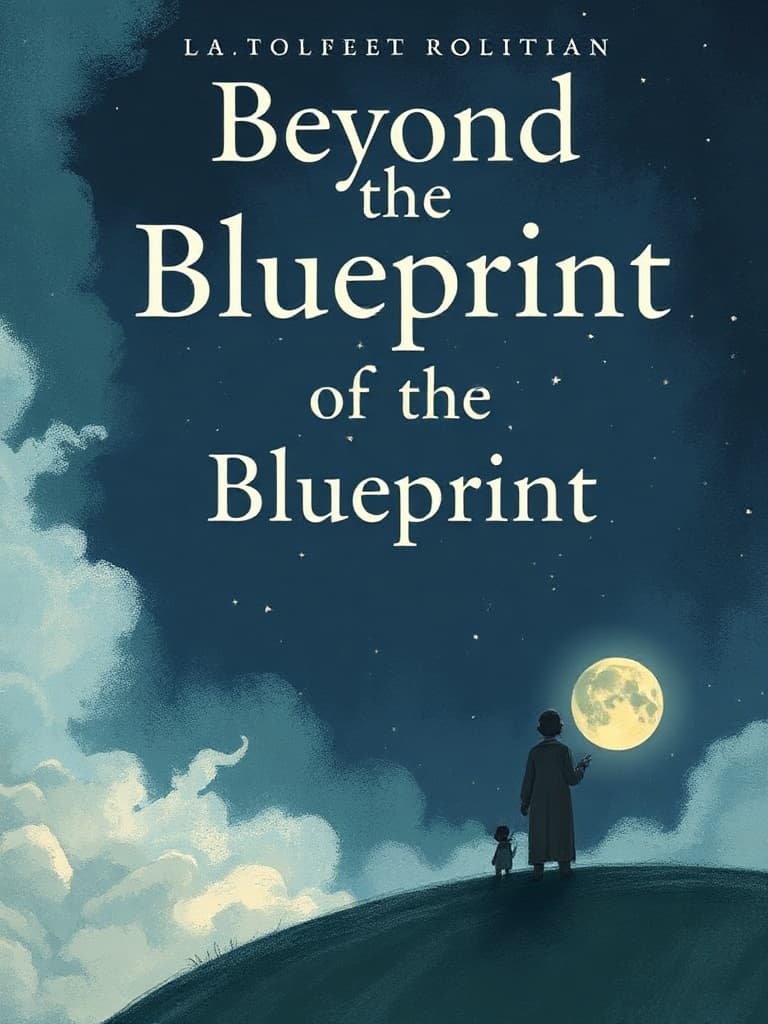
About this book
Beyond the Blueprint: Rewriting Your Family's Story
77
0
20
0
Being born into a karmic family dynamic and stopping the patterns that plague my family
Chapters
- 1The Whispering TapestryThe Weaver feels the weight of inherited patterns, a subtle yet persistent hum of ancestral echoes shaping their life. A sense of unease prompts a deep dive into their family's past, seeking the origins of these familiar, recurring themes.
- 2Echoes in the AtticUnearthing old journals and faded photographs, the Weaver begins to see the 'Echo' – the unconscious habits and fears that have been passed down. These aren't malicious forces, but ingrained responses seeking recognition.
- 3The Unraveling ThreadIntrospection becomes a tool. The Weaver gently probes their own reactions, recognizing how ancestral patterns manifest within them. Acknowledging these patterns is the first step towards loosening their grip.
- 4A Seed of KnowingAmidst the introspection, a flicker of the 'Seed of Light' appears. A moment of clarity, a spark of intuition, suggests that the blueprint is not set in stone. The possibility of change begins to bloom.
- 5Forgiveness as FoundationThe Weaver extends compassion to their ancestors, understanding the circumstances that shaped their choices. This act of forgiveness, for self and lineage, lays crucial groundwork for healing and transformation.
- 6The Choice to DivergeA conscious decision is made. The Weaver chooses to step off the familiar, inherited path. This pivotal moment marks the active pursuit of a new destiny, one defined by awareness rather than repetition.
- 7Planting New SoilWith intention, the Weaver begins to cultivate new habits and perspectives. These are the 'seeds' of a different future, consciously chosen to counteract the old patterns and foster growth.
- 8The Echo's SofteningAs the Weaver embraces new patterns, the 'Echo' begins to lose its power. The whispers of the past become less insistent, less defining, as the present moment takes precedence.
- 9Illuminated PathwaysSelf-awareness acts as a lantern, illuminating previously hidden aspects of the family dynamic. The Weaver sees the interconnectedness of actions and consequences across generations.
- 10Weaving with CompassionThe Weaver actively applies compassion, not just to the past, but to present challenges. This emotional resilience becomes a powerful force in rewriting the narrative, transforming struggle into understanding.
- 11The Dream's RevelationThe recurring dream of tangled threads begins to shift. The Weaver witnesses the threads not just untangling, but being rewoven into a new, more harmonious design, reflecting their inner work.
- 12Ancestral GratitudeA deeper appreciation emerges for the strength and resilience of ancestors, even amidst their struggles. The Weaver learns to honor their legacy without being bound by its limitations.
- 13The Gentle Art of ReleasePractices for releasing old energetic imprints are explored. The Weaver learns techniques to shed the weight of inherited burdens, creating energetic space for new possibilities.
- 14Cultivating Inner HarmonyFocus shifts to nurturing internal peace. The Weaver understands that a peaceful inner state is the most potent antidote to external karmic cycles and a foundation for lasting change.
- 15The Language of IntuitionThe Weaver learns to trust their intuition, recognizing it as a direct line to their inner wisdom and a guide away from familiar, unhelpful patterns. The 'Seed of Light' speaks more clearly.
- 16Building New TraditionsConsciously, the Weaver begins to establish new family traditions. These are designed to foster connection, support, and growth, actively counteracting the old, ingrained dynamics.
- 17The Ripple EffectThe Weaver observes the positive impact of their changes on those around them. The rewritten narrative begins to ripple outward, subtly influencing relationships and interactions.
- 18Embracing ImperfectionThe journey isn't about perfection, but progress. The Weaver learns to accept that setbacks are part of the process, and that resilience lies in returning to the path of conscious intention.
- 19The Legacy of LightThe Weaver reflects on the new legacy being created – one of awareness, compassion, and conscious choice. The 'Seed of Light' has taken root, promising a brighter future.
- 20Beyond the BlueprintThe Weaver stands in their power, no longer defined by the past. They have not just broken the cycle, but have intentionally created a new blueprint, a testament to the enduring power of conscious transformation.
More Educational stories
- Service dog's Hidden hero's
Service dogs are specially trained animals that perform specific tasks to assist individuals with disabilities, distinguishing them from emotional support or therapy animals. Legally protected, they have rights to public access and housing, though some sterile environments may be exceptions. Various types of service dogs exist, including those for mobility assistance, medical alerts (seizures, diabetes, allergies, cardiac), psychiatric support, hearing, visual assistance, and autism, each trained for unique tasks related to their handler's disability.
- Save this hearts
Parents take your responsibility your children by teaching them every thing about, discipline, honesty, integrity, fearing God, respect, which is lacking in this generation that we raising.teaching about their gender ,if is aboy train and raise him as a boy,if she is a girl train her as a girl as in what to wear, their friends, their roles, let's not leave our duties to teachers and blame teachers for our weakness or blame the government etc.teach the importance of growing a peaceful generation, hardworking generation and God fearing generation ,teach them what is good and the disadvantages of doing bad things at home, school and even outside world, like killing is bad , stealing, corruption , tribalism, racist behaviour , lesbianism, homosexually
- The Art of Belonging: Navigating Isolation in a Connected World
DISCONNECTED Finding Your Place When You Feel Left Out By [Author Name] Copyright Page Copyright © 2026 All rights reserved. No part of this publication may be reproduced, distributed, or transmitted in any form without prior written permission of the publisher, except for brief quotations used in reviews or educational purposes. This book is intended for educational and informational purposes only. Dedication To every young person who has ever felt invisible, left out, or misunderstood. May you discover that connection is possible, friendship can be learned, and your place in the world already exists. Table of Contents Introduction The Hidden Reality of Teen Loneliness Understanding Why You Feel Left Out The Social Media Illusion Confidence Is Built, Not Born The Science of Friendship Overcoming Fear of Rejection Finding Your Community Communication Skills That Matter Creating Meaningful Relationships Building Emotional Resilience Becoming Comfortable With Yourself Creating a Connected Future Workbook and Reflection Section Final Thoughts Introduction Loneliness can feel like standing in a crowded room while nobody notices you. It can feel like scrolling through social media and believing everyone else has a perfect social life. It can feel like sitting at lunch wondering where you belong. Many teenagers experience these feelings. What makes loneliness difficult is that it often convinces people they are the only ones struggling. The truth is different. Millions of young people experience loneliness every year. Some hide it behind humor. Some hide it behind popularity. Some hide it behind constant activity. Others hide it behind silence. Loneliness is not proof that something is wrong with you. It is a signal that you need more meaningful connection. This book will help you understand loneliness, develop confidence, build friendships, and create stronger relationships. Chapter 1 The Hidden Reality of Teen Loneliness Most people imagine loneliness as being physically alone. But loneliness is often emotional. You can be surrounded by classmates and still feel disconnected. You can have hundreds of online followers and still feel isolated. You can even belong to a friendship group and still feel misunderstood. Researchers have found that loneliness often increases during adolescence because this period involves major life changes. Teenagers experience: Identity development Social comparison Academic pressure Family changes New responsibilities Increased self-awareness All of these factors can contribute to feeling disconnected. The Three Types of Loneliness Emotional Loneliness This occurs when you lack close relationships where you feel understood and supported. Social Loneliness This occurs when you lack a wider social network or community. Existential Loneliness This occurs when you feel disconnected from purpose, meaning, or identity. Many people experience more than one type at the same time. Why Loneliness Feels So Powerful Humans are social beings. For thousands of years, survival depended on belonging to a group. Because of this, our brains are highly sensitive to social connection. When connection is missing, emotional discomfort increases. Loneliness is not weakness. It is part of being human. Chapter 2 Understanding Why You Feel Left Out Feeling left out is one of the most painful experiences during adolescence. It often creates thoughts such as: Nobody likes me. I don't fit in. Everyone else has friends. Something must be wrong with me. These thoughts feel real. However, feelings are not always accurate reflections of reality. Common Reasons Teenagers Feel Excluded Changing Social Groups Friendship groups often change rapidly during adolescence. A group that feels stable one month may look completely different six months later. Different Interests As people grow, interests evolve. Friends sometimes grow apart naturally. Social Anxiety Fear of judgment can make it difficult to engage socially. This often creates a cycle: Fear → Avoidance → Isolation → Increased Fear Breaking this cycle requires small, consistent action. Comparison Comparing your life to carefully selected highlights from other people's lives often creates unnecessary loneliness. Chapter 3 The Social Media Illusion Social media has changed how young people experience friendship. While technology allows connection across distances, it also creates unrealistic expectations. People usually post: Celebrations Achievements Group photos Vacations Exciting moments They rarely post: Rejection Loneliness Arguments Insecurity Boredom As a result, many teenagers compare their entire lives to someone else's highlight reel. This comparison often leads to feelings of inadequacy. A Healthier Perspective Instead of asking: "Why isn't my life like theirs?" Ask: "What part of this image am I not seeing?" This simple question encourages more balanced thinking. Chapter 4 Confidence Is Built, Not Born One of the biggest myths about friendship is that confident people were simply born that way. In reality, confidence is developed through experience. Confidence grows through: Practice Repetition Small successes Learning from mistakes Most socially confident people were once nervous beginners. They simply continued practicing. The One Percent Rule Improve by one percent each day. Examples: Day 1: Smile at someone. Day 2: Say hello. Day 3: Ask a simple question. Day 4: Join a conversation. Small improvements create significant change over time. Chapter 5 The Science of Friendship Many people believe friendship is something that either happens naturally or doesn't happen at all. In reality, friendship follows predictable patterns. Psychologists have found that friendship is often built through three key factors: Proximity People tend to become friends with people they see regularly. This is why friendships often form in: Schools Sports teams Clubs Neighborhoods Part-time jobs Repeated exposure creates familiarity. Familiarity reduces uncertainty. Reduced uncertainty increases trust. This means you do not need extraordinary social skills to make friends. You simply need repeated opportunities to interact with people. Similarity People often connect through shared interests, values, goals, or experiences. This doesn't mean friends must be identical. It simply means they have enough common ground to enjoy spending time together. Examples include: Gaming Sports Music Art Books Technology Volunteering Finding your people often starts by finding your interests. Vulnerability Friendships deepen when people gradually share more of themselves. This doesn't happen immediately. Trust develops over time. Strong friendships are built through small moments of honesty and support. Chapter 6 Overcoming Fear of Rejection Fear of rejection prevents many people from building the relationships they want. The fear usually sounds like: What if they don't like me? What if I embarrass myself? What if they ignore me? What if I say something wrong? These fears are common. The challenge is that avoiding rejection also prevents connection. Understanding Rejection Most rejection is not personal. Sometimes people are: Distracted Busy Tired Focused on other relationships Dealing with their own problems Yet many people automatically assume: "They rejected me because I'm not good enough." This interpretation is often inaccurate. Reframing Rejection Instead of thinking: "I failed." Try thinking: "That connection wasn't the right fit." This simple shift can dramatically reduce social anxiety. The Rejection Challenge One helpful exercise is intentionally taking small social risks. Examples: Asking a question in class Starting a conversation Introducing yourself to someone new The goal isn't guaranteed success. The goal is learning that rejection is survivable. Chapter 7 Finding Your Community One of the most powerful solutions to loneliness is community. A community is larger than a friendship. It is a group where people share something meaningful. Examples include: Sports clubs Drama groups Gaming communities Youth organizations Music groups Volunteer projects Communities provide: Shared identity Regular interaction Opportunities to contribute Friendship possibilities Why Community Matters Many teenagers make the mistake of searching for one perfect friend. A healthier approach is finding environments where friendships can naturally develop. Communities create those opportunities. How to Find a Community Start by asking: What interests me? What am I curious about? What would I enjoy learning? Then look for places where people share those interests. Connection often begins with shared activities. Chapter 8 Communication Skills That Matter Communication is often misunderstood. Many people think being a good communicator means talking a lot. In reality, communication involves both speaking and listening. Active Listening People enjoy conversations when they feel heard. Active listening involves: Maintaining attention Asking follow-up questions Showing genuine interest Examples: Instead of: "Cool." Try: "That sounds interesting. What happened next?" Simple curiosity creates stronger conversations. Open Questions Open questions encourage deeper discussion. Examples: Instead of: "Did you enjoy it?" Ask: "What did you enjoy most about it?" Open questions create opportunities for connection. Body Language Communication includes: Eye contact Facial expressions Posture Tone of voice Friendly body language often communicates more than words. Chapter 9 Creating Meaningful Relationships Many people have acquaintances. Fewer people have deep relationships. Meaningful relationships require: Consistency Trust grows through repeated positive experiences. Reliability People feel safe around those who keep their word. Support Strong friendships involve mutual encouragement. Authenticity Pretending to be someone else creates distance. Being genuine creates connection. Quality Over Quantity You do not need dozens of close friends. A few meaningful relationships often provide more support than a large social circle. Chapter 10 Building Emotional Resilience Life includes disappointment. Friendships sometimes end. People move away. Conflicts occur. Emotional resilience helps you recover from these experiences. What Resilient People Understand They understand: Feelings change Difficult experiences are temporary Growth often comes through challenges Healthy Coping Strategies Physical activity Journaling Creative expression Talking to trusted people Spending time outdoors Resilience is not avoiding pain. It is learning how to move through it. Chapter 11 Becoming Comfortable With Yourself One of the greatest misunderstandings about loneliness is believing that another person will completely solve it. Healthy friendships matter. Connection matters. Community matters. But lasting confidence begins with the relationship you have with yourself. Many teenagers spend years believing: "I'll be happy when people like me." "I'll feel confident when I have more friends." "I'll be okay when I'm accepted." The problem with this approach is that your happiness becomes dependent on circumstances you cannot fully control. Self-Acceptance Self-acceptance means recognizing both your strengths and weaknesses without constant self-criticism. It means understanding: Nobody is perfect. Everyone feels insecure sometimes. Everyone makes mistakes. Everyone experiences rejection. The people who appear confident are often simply more accepting of their imperfections. Identifying Your Strengths Take a moment to write down: Things you do well Things you enjoy Positive qualities others appreciate Challenges you have overcome Most people find this difficult at first. We often notice our flaws faster than our strengths. Learning to recognize your value is a skill. The Importance of Solitude Being alone is not always negative. Solitude can help you: Reflect Learn Create Grow The goal is not to avoid being alone. The goal is to avoid feeling disconnected from yourself. Chapter 12 Creating a Connected Future Your future friendships and relationships will not be determined by one awkward moment, one difficult year, or one experience of loneliness. They will be shaped by the actions you take consistently. The Compound Effect of Small Actions Imagine two teenagers. The first person avoids every social opportunity. The second person takes one small social risk each week. After one year, the difference becomes enormous. Small actions create large results over time. Your Personal Connection Plan Write answers to the following: People Who would you like to know better? Activities What communities or activities interest you? Skills What social skills would you like to improve? Goals What does a connected life look like to you? This plan will evolve over time. The important thing is starting. Chapter 13 The 30-Day Connection Challenge This challenge is designed to help you gradually build confidence and connection. Week 1: Awareness Day 1: Notice how often you compare yourself to others. Day 2: Write down three personal strengths. Day 3: Spend less time scrolling social media. Day 4: Smile at three people. Day 5: Say hello to someone you don't usually talk to. Day 6: Write about a friendship you value. Day 7: Reflect on what you learned. Week 2: Small Interactions Day 8: Ask someone about their day. Day 9: Compliment someone sincerely. Day 10: Join a conversation briefly. Day 11: Introduce yourself to someone new. Day 12: Practice active listening. Day 13: Attend a social activity. Day 14: Reflect on your progress. Week 3: Building Relationships Day 15: Reach out to a friend. Day 16: Invite someone to join an activity. Day 17: Share something personal. Day 18: Ask a deeper question. Day 19: Express appreciation. Day 20: Participate in a group activity. Day 21: Review your experiences. Week 4: Strengthening Confidence Day 22: Try something outside your comfort zone. Day 23: Start a conversation. Day 24: Practice positive self-talk. Day 25: Attend a new event. Day 26: Reconnect with someone. Day 27: Help someone else. Day 28: Celebrate progress. Day 29: Review lessons learned. Day 30: Create goals for the next 90 days. Chapter 14 Workbook and Journal Section Reflection Page 1 What situations make me feel most lonely? Reflection Page 2 When do I feel most connected? Reflection Page 3 Three qualities I value in a friend: Reflection Page 4 Three qualities I want to develop: Gratitude Exercise Today I am grateful for: Weekly Review What went well this week? What challenged me? What will I focus on next week? Chapter 15 Stories of Growth and Connection Alex's Story Alex believed everyone at school already had established friendships. For months, he sat quietly during lunch. One day he joined a gaming club. The first meeting felt awkward. The second felt slightly easier. By the fifth meeting he recognized familiar faces. By the tenth meeting he had several friends. Nothing dramatic happened. Small interactions accumulated. Maya's Story Maya constantly compared herself to social media influencers. She believed everyone else's life was exciting. After reducing her social media use and spending more time in local activities, she discovered something surprising. Many people felt exactly the same way she did. Connection began when she stopped assuming everyone else had everything figured out. Final Thoughts If you remember only one message from this book, let it be this: Loneliness is not your identity. It is an experience. Experiences change. People change. Circumstances change. Connection grows through small actions repeated consistently. You do not need to become someone different. You do not need to be perfect. You simply need the courage to keep showing up. Every friendship begins with a conversation. Every community begins with participation. Every connected life begins with one small step. Take that step. Your future friendships may be waiting on the other side.
Want to write a story like this?
Learn the craft in our free AI story generator, then draft your first chapter with an AI co-writer.
What stayed with you?
Read a chapter and leave the author a comment.
Reader notes
Loading reader notes…