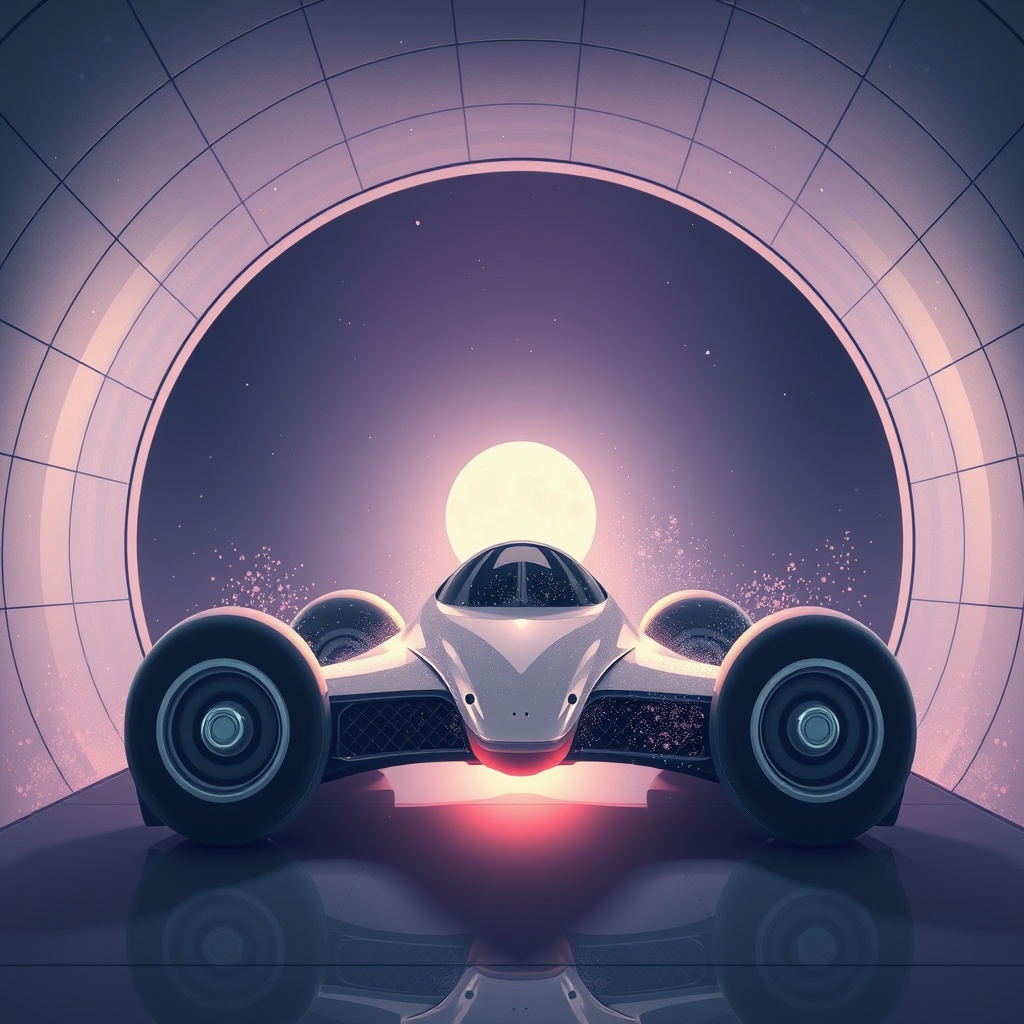
Story overview
Project Chimera: An Integrated Air Intake and Downforce System for LSR
17
0
6
published
Place a wing inside of a duct. Use this as an air intake for a jet engine. We can get thrust and downforce from this. Add a twin chassis to make the vehicle much lighter. Design a Land Speed Record car that uses all of these concepts.
Table of contents
- 1The Genesis of ChimeraExplore the initial conceptualization of Project Chimera, focusing on the revolutionary idea of integrating an aerodynamic wing within an air intake duct to generate both thrust and downforce. This chapter introduces the core problem: achieving unprecedented land speed records.
- 2Aerodynamic Ballet: Wing-in-Duct DynamicsDelve into the complex fluid dynamics of the wing-in-duct design. This chapter will detail the simulations and theoretical calculations used to understand how the wing controls airflow for optimal engine performance and aerodynamic stability.
- 3Twin Chassis Architecture: The Weight Reduction ImperativeUnpack the innovative twin chassis design. This section explains how splitting the chassis and optimizing material usage drastically reduces the vehicle's weight, a critical factor for exceeding land speed records.
- 4Propulsion and Downforce SynergyExamine the integrated operation of the engine and the wing-in-duct system. This chapter focuses on how the combined thrust and downforce generated by the unique intake work in harmony to propel and stabilize the vehicle at extreme velocities.
- 5Engineering the Beast: Construction and TestingDetail the meticulous engineering, fabrication, and rigorous testing phases of Project Chimera. This chapter highlights the challenges overcome in building and validating such an avant-garde vehicle.
- 6Chasing the Horizon: The Land Speed Record AttemptRecount the climactic attempt to break the land speed record with Project Chimera. This chapter culminates the narrative with the performance of the vehicle and its implications for future high-speed engineering.
More Non-fiction stories
Browse all Non-fiction →- God Is The Perfecter Of Destiny
In the church, there was a man, second to the leader that sued his boss and other cabinet members to have the leadership position. But the position sought was given to another through divine means and him, disciplined.
- The Carbon Cycle Reimagined: A Diesel-Electric Future
A sleek hybrid electric car. Zero emissions! Use a diesel engine as a generator for the electric motors. The captured carbon will be added to crude oil later on.
- Double Decker, Double Duty: The Generator Bus Experiment
A zero emissions double decker bus! Use a diesel engine as a generator for the electric motors. Capture the emissions, store it in a container. This can be added to crude oil later on.
- Echoes of Defiance: Stories of the Unconventional
How I got here, why I chose to take the road less traveled. A story of rebellion and addiction and finding my way to normal after years of insanity.
- Flower color
Once a flowers blooming many kinds of colors growing on the tower that has unknown power
- Captain of unknown
Captain set sailing finding gold until a his ship chasing after the storm hit, the scary journey on sea leaving just his ship on land every part of the ship made into the mansion until 2 strangers adding more buildings to the Mansion making the world larger massive gaint castle warehouses factories apartments they try every thing get this building get to the top they created a killer game to bring it's realistic, the shadow figures are nonstopable now find out there's many creatures , creepy things goes wrong, a mystery horrifying supernatural chapter, running into other chapters, it's feel like you in a work place and be safe with your favorites characters come to life
Want to write a story like this?
Learn the craft in our free writing guides, then draft your first chapter with an AI co-writer.