About this book
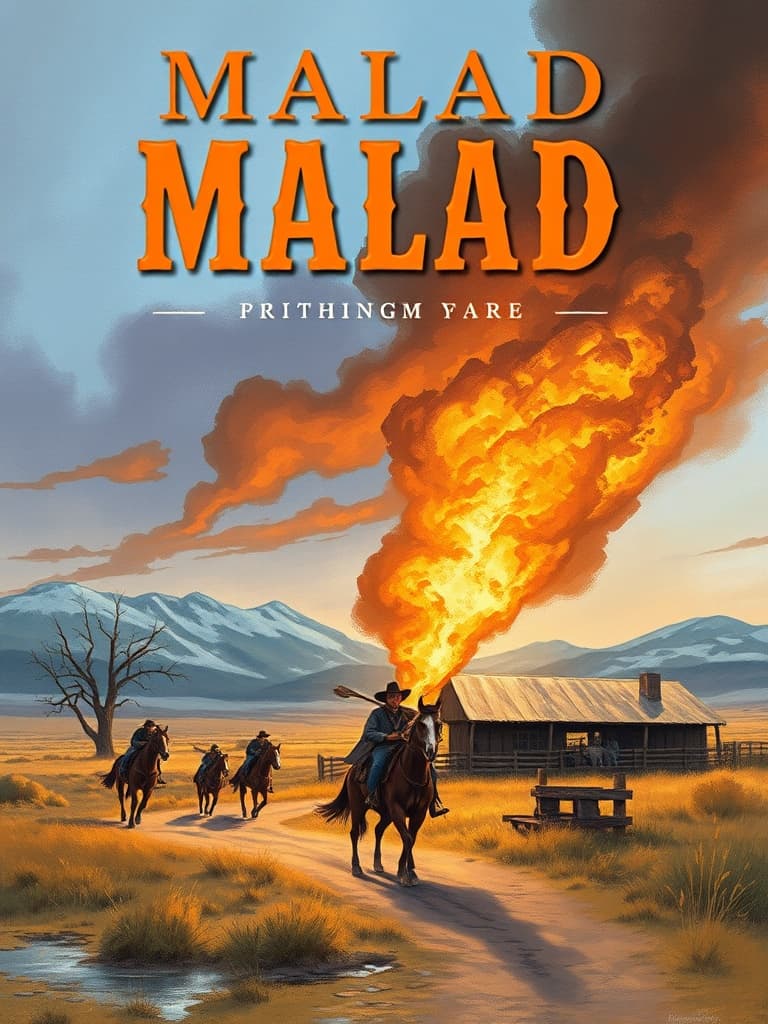
Malad, Idaho: Forged in Frontier Fire
30
0
50
0
How Malad got its name..the History of Fort Malad. The importance of Malad and it's Ancestors. The story behind The Dude Ranch Cafe
Chapters
- 1Whispers on the Wind: The Unclaimed ValleyThis chapter will immerse the reader in the raw, untamed beauty of the Malad Valley as it existed before significant human settlement. The narrative will focus on establishing the sensory experience of this frontier landscape: the vast, sweeping vistas of sagebrush-covered hills, the stark grandeur of the distant mountains, the unpredictable temperament of the Malad River, and the silence, broken only by the sounds of nature. We will paint a picture of a land that is both breathtakingly beautiful and profoundly unforgiving, a place that demands respect and resilience from any who dare to call it home. The early chapters will explore the natural challenges: harsh winters with heavy snowfalls, scorching summers, the scarcity of readily available resources, and the constant threat of the elements. We will introduce the subtle 'whispers' of potential settlement – perhaps the tracks of indigenous peoples, the fleeting presence of fur trappers, or the dreams of distant pioneers – hinting at the future that awaits this unclaimed territory. The emotional tone will be one of awe mixed with trepidation, emphasizing the sheer scale of the undertaking for anyone considering a life here. The land itself will be presented as a character, its moods and features dictating the rhythm of life. Scene-by-scene beats might include: 1. A panoramic description of the valley at dawn, emphasizing its isolation and wildness. 2. A close-up on the Malad River, illustrating its power and its potential for both sustenance and destruction. 3. A depiction of the harsh weather – perhaps a sudden, violent thunderstorm or the biting wind of an approaching winter – showcasing the valley's unforgiving nature. 4. A brief encounter with signs of previous human passage – an old campsite, a faint trail – suggesting that others have passed through, but none have yet truly claimed this land. 5. A contemplation of the future, by an unseen observer or through a sense of the land's inherent potential, hinting at the arrival of settlers and the dramatic transformation to come. Character intent at this stage is minimal, focusing more on the setting; however, the land’s ‘intent’ is to test and shape those who arrive. Continuity will focus on establishing the geographical and environmental baseline for all subsequent events. The ending hook will be a subtle foreshadowing of human arrival, a sense that the valley is holding its breath, waiting for its destiny to be written. **Scene-by-Scene Breakdown:** **Scene 1: The Awakening Valley (Dawn)** * **Visuals:** Sunrise casting long shadows across the valley floor, illuminating rolling hills covered in sagebrush and sparse grasses. Distant, snow-capped peaks form a majestic backdrop. The Malad River, a silver ribbon, snakes through the landscape. The air is crisp and clean, carrying the scent of pine and damp earth. * **Sounds:** The mournful cry of a hawk, the rustle of wind through dry grass, the distant murmur of the river. * **Emotional Arc:** Awe, solitude, a sense of immense scale and untouched wilderness. * **Narrative Focus:** Establish the vastness and wild beauty of the Malad Valley. Emphasize its emptiness and the sheer power of nature. **Scene 2: The River's Pulse (Mid-morning)** * **Visuals:** Close-up on the Malad River. Observe its currents, the way it carves through the land, the rocks and sediment it carries. Show its potential for both life (willows and cottonwoods along its banks) and danger (swift currents, hidden snags). * **Sounds:** The rushing water, the splash of unseen aquatic life, the occasional creak of a branch. * **Emotional Arc:** Respect for nature's power, understanding of its dual nature – life-giving and potentially destructive. * **Narrative Focus:** Detail the characteristics of the Malad River, highlighting its central role in the valley's ecosystem and its importance as a potential water source for future settlers. **Scene 3: The Fury of the Elements (Afternoon)** * **Visuals:** A sudden shift in weather. Dark clouds gather ominously. Wind picks up, whipping the sagebrush. A powerful thunderstorm rolls in, with lightning illuminating the rugged terrain and thunder echoing off the mountains. Alternatively, a blizzard descends, burying the landscape in snow. * **Sounds:** Increasing wind, the rumble of thunder, the crack of lightning, the pounding rain or driving snow. * **Emotional Arc:** Fear, vulnerability, the raw power of natural forces. * **Narrative Focus:** Illustrate the harshness of the Malad Valley's climate and the challenges it presents to survival. This scene underscores the need for shelter and resilience. **Scene 4: Traces of Passage (Late Afternoon)** * **Visuals:** Discovering subtle signs of past human activity: a weathered stone tool fragment, the faint outline of an old fire pit, a barely discernible trail winding through the hills. These are not signs of permanent settlement, but of transient presence. * **Sounds:** The wind, perhaps the distant sound of wildlife, emphasizing the lack of human voices. * **Emotional Arc:** Curiosity, a sense of history, the realization that the valley has been a place of passage, not yet a home. * **Narrative Focus:** Hint at the long history of human interaction with the valley, primarily by indigenous peoples or transient travelers, setting the stage for permanent settlement. **Scene 5: The Land Holds Its Breath (Dusk)** * **Visuals:** The sun begins to set, painting the sky in fiery colors. The valley seems to settle into a profound stillness. The landscape appears expectant, as if waiting for something significant to happen. * **Sounds:** The sounds of nature begin to quiet down, replaced by the profound silence of twilight. * **Emotional Arc:** Anticipation, a sense of destiny, the feeling that a new chapter is about to begin. * **Narrative Focus:** Conclude the chapter with a sense of profound stillness and anticipation, a metaphorical pause before the arrival of the settlers who will fundamentally change the valley's destiny. This sets the stage for Chapter 2. **Character Intent (Implicit):** The land itself is the primary 'character' here, its intent being to test and shape any life it hosts. Implicitly, the narrative hints at the future intent of pioneers to tame and cultivate it. **Continuity Notes:** This chapter establishes the foundational environment – geography, climate, natural resources, and the inherent challenges. All subsequent chapters must acknowledge and build upon this established reality. The descriptions of the valley, river, and weather patterns will serve as ongoing reference points. **Ending Hook:** The chapter concludes with the valley bathed in the twilight's glow, a profound silence descending. The narrative poses an unspoken question: Who will be the first to truly answer the call of this magnificent, challenging land? This directly leads into the establishment of Fort Malad.
- 2Fort Malad: A Sentinel's BirthThis chapter chronicles the ambitious undertaking of establishing Fort Malad, focusing on the vision and determination of its founder, Elias Thorne. The narrative will detail the rugged process of construction: the felling of timber, the quarrying of stone, the labor involved in raising sturdy walls against the elements and potential threats. We will depict the fort not just as a military outpost, but as a nascent community hub, a symbol of burgeoning civilization in the vast wilderness. The scene will emphasize the practical challenges faced – the coordination of labor, the sourcing of materials, the constant vigilance required. Elias Thorne's character will be further developed, showcasing his stoic resolve, his deep-seated belief in the importance of establishing a secure foothold, and perhaps a glimpse of the personal sacrifices he makes. The chapter will also begin to unravel the mystery behind the name 'Malad,' exploring the potential origins and the local legends or historical accounts that contribute to its meaning. Was it a French explorer's cry of distress, a Native American term, or something else entirely? The narrative will weave these possibilities into the story, making the name itself a point of historical intrigue. The emotional tone will shift from the awe of the previous chapter to one of determined effort, resilience, and burgeoning hope, tempered by the ever-present dangers of frontier life. The fort will be portrayed as a beacon, a place of relative safety and order in a chaotic world. Scene-by-scene beats will include: 1. Elias Thorne surveying the chosen site, articulating his vision for the fort. 2. Depictions of the arduous construction process, highlighting the physical labor and the collaborative spirit (or lack thereof) among the builders. 3. A moment of tension or potential threat – perhaps a sign of indigenous presence or a natural hazard – that underscores the fort's necessity. 4. Elias Thorne reflecting on the fort's purpose and the future he hopes it will secure. 5. An exploration of the name 'Malad,' presenting different theories or recounting a specific origin story related to the fort's founding or the valley's early explorers. The chapter will emphasize the fort's role in attracting more settlers and solidifying the presence of the community. Continuity will focus on establishing the physical structure of Fort Malad as a central landmark and the initial key players involved in its creation. The ending hook will be the completion of the fort's basic structure, standing as a testament to human will, but hinting at the ongoing challenges and the deeper historical currents tied to its name. **Scene-by-Scene Breakdown:** **Scene 1: The Visionary's Gaze (Early Morning)** * **Visuals:** Elias Thorne stands on a slight rise overlooking the chosen location for the fort, likely near the river for water access. He studies the terrain, his gaze sharp and determined. The valley stretches out before him, still wild but now seen through the lens of his ambition. The partially constructed framework of the fort is visible, rough-hewn logs and cleared ground. * **Dialogue/Internal Monologue:** Thorne articulates his vision – a place of safety, a bastion against the wilderness, a foundation for a future community. He might mention his family or the settlers he aims to protect. * **Emotional Arc:** Determination, foresight, a sense of weighty responsibility. * **Narrative Focus:** Introduce Elias Thorne’s leadership and the foundational purpose of Fort Malad. **Scene 2: The Sweat of the Frontier (Mid-day)** * **Visuals:** Scenes of intense physical labor: men felling trees with axes and saws, hauling logs with oxen, shaping wood, digging foundations, perhaps hauling stones for a more robust structure. Dust and sweat are prominent. The sounds are of exertion, the ring of axes, the creak of timbers, the shouts of men coordinating. * **Action Beats:** Show the difficulty of the work – a log slipping, a tool breaking, the sheer exhaustion. Highlight the collaborative effort, perhaps focusing on a few key laborers. * **Emotional Arc:** Grit, perseverance, shared struggle, the physical toll of building from scratch. * **Narrative Focus:** Detail the arduous process of constructing Fort Malad, emphasizing the raw effort and skill required. **Scene 3: A Shadow on the Horizon (Late Afternoon)** * **Visuals:** A brief, unsettling moment. Perhaps a Native American hunting party observed at a distance, their presence noted but not hostile. Or a sudden rockslide near the construction site, a reminder of nature's unpredictability. This could also be a moment where Thorne makes a difficult decision regarding resource allocation or security measures. * **Action Beats:** A scout reports seeing distant figures. Thorne orders increased watchfulness. Or a near-accident occurs, causing a pause in work and a discussion about safety protocols. * **Emotional Arc:** Vigilance, underlying tension, the awareness of vulnerability. * **Narrative Focus:** Inject a note of external threat or natural danger that reinforces the fort's strategic importance and Thorne's leadership. **Scene 4: The Weight of the Name (Dusk)** * **Visuals:** Thorne sits by a campfire near the fort's partially built walls, perhaps cleaning his rifle or sketching plans. He looks towards the valley, a pensive expression on his face. The first stars begin to appear. * **Dialogue/Internal Monologue:** Thorne muses on the name 'Malad.' He might recall a story told by a trapper, or a piece of lore he heard. The narrative will present multiple possibilities – perhaps a French explorer's lament ('Mal-ade,' meaning sick or ill, perhaps from a difficult journey or disease) or a corruption of a Native American word. The ambiguity is key. * **Emotional Arc:** Contemplation, historical curiosity, a touch of melancholy or mystery. * **Narrative Focus:** Introduce the enigma of the name 'Malad,' exploring potential origins and tying it thematically to the challenges of the valley. **Scene 5: A Bastion Takes Shape (Night)** * **Visuals:** The fort, though incomplete, now possesses a recognizable form. Torches and campfires cast flickering light on the log walls. The structure stands as a stark silhouette against the night sky. The sounds are of the settling fort, the crackling fires, the distant calls of night animals. * **Narrative Focus:** Conclude with the fort established as a physical entity, a symbol of human endeavor against the odds. It is functional, but the deeper history and the full story of its name are yet to be fully revealed. **Character Intent:** Elias Thorne's primary intent is to create a secure and lasting settlement. The builders' intent is to complete their work and earn their keep. The land's intent remains to test and shape. **Continuity Notes:** This chapter establishes Fort Malad as a key physical location and introduces Elias Thorne as a central figure. The exploration of the name 'Malad' sets up future narrative threads. The challenges encountered during construction foreshadow ongoing difficulties. **Ending Hook:** The newly formed Fort Malad stands as a symbol of hope and resilience, but the lingering question of its name – 'Malad' – hangs in the air, a subtle reminder that the valley holds secrets and perhaps sorrows yet to be fully understood.
- 3The River's Name and the Valley's SoulThis chapter delves deeply into the etymology and historical context of the name 'Malad,' weaving it into the very fabric of the valley's identity and the lives of its inhabitants. We will explore multiple theories surrounding the name's origin, presenting them not as definitive facts but as layers of history and interpretation. One prominent narrative could involve a French-Canadian fur trapper or explorer, perhaps named Jean-Baptiste Malade, who suffered greatly in the region – contracting a debilitating illness, experiencing a tragic loss, or facing extreme hardship, leading him to christen the river and surrounding lands with his own unfortunate moniker or a descriptive term related to his suffering ('malade' meaning 'sick' in French). Another thread could explore indigenous linguistic connections, suggesting the name is a corruption or misunderstanding of a Shoshone or Bannock word that described the river's characteristics, its flow, or a significant landmark. Perhaps it relates to a particular plant, animal, or geological feature. The narrative will juxtapose these potential origins, showing how different groups perceived and named the same landscape. The chapter will emphasize how the name, regardless of its precise origin, became intrinsically linked to the valley's challenging yet life-sustaining nature. The river itself will be portrayed as the valley's soul – its source of water, its power, its potential for floods and droughts, its role in shaping the land and the lives upon it. We'll connect the name 'Malad' metaphorically to the struggles and resilience of the people who settled there. Scene-by-scene beats might include: 1. A scene set during the fur trading era, depicting a weary trapper naming the river in a moment of despair or reflection. 2. An elder from a local Native American tribe recounting a legend or linguistic explanation for the name, perhaps passed down through generations. 3. Elias Thorne or another early settler discussing the name, perhaps expressing initial confusion or accepting the established moniker with a sense of resignation or even pride in its ruggedness. 4. A lyrical description of the Malad River in different seasons and conditions, highlighting its vital importance and its sometimes-treacherous nature, reinforcing the potential meanings behind the name. 5. A scene showing the name 'Malad' being formally recorded or used in official documents for the first time, solidifying its place in history. The emotional tone will be one of historical inquiry, mystery, and a growing appreciation for the deep connections between names, landscapes, and human experience. The focus is on understanding how a name can embody the spirit and history of a place. Continuity will build upon the established presence of the river and the nascent settlement, integrating the name's history into the ongoing narrative. The ending hook will be the solidification of the name 'Malad' as the official designation, leaving the reader with a sense of the name's complex legacy and its resonance with the valley's soul. **Scene-by-Scene Breakdown:** **Scene 1: The Trapper's Lament (Mid-1800s)** * **Visuals:** A desolate scene during a harsh winter or a feverish summer. A lone, weather-beaten fur trapper, perhaps Jean-Baptiste (or a similar figure), struggles against the elements or illness near the river. He looks weak, weary, and perhaps lost. Snow blankets the landscape, or the sun beats down relentlessly. He might be carving a mark on a tree or muttering to himself. * **Dialogue/Internal Monologue:** The trapper expresses his suffering, his feeling of being afflicted by the land or a sickness. He names the river in a moment of profound personal distress: "This river… it is *malad*." The narration explains the French meaning ('sick') and its implication of hardship. * **Emotional Arc:** Despair, suffering, the harsh reality of frontier survival. * **Narrative Focus:** Present the popular French explorer/trapper origin story for the name 'Malad,' linking it to hardship and illness. **Scene 2: Echoes of the Ancients (Present Day/Flashback)** * **Visuals:** An elder, perhaps a descendant of Chief Black Elk's people, sits by the river or in a traditional dwelling. They are speaking to a younger listener or reflecting on the past. The setting is peaceful, connected to nature. Alternatively, a flashback to a time when indigenous peoples were the primary inhabitants, showing their relationship with the river. * **Dialogue/Internal Monologue:** The elder explains a different origin, perhaps a Native American word that sounds similar to 'Malad.' For example, it might be related to 'mala' (meaning 'water' or 'river' in some dialects) or a word describing the river's serpentine path ('winding sickness') or a specific plant found along its banks known for medicinal or poisonous properties. The focus is on a name rooted in observation of the natural world, not personal suffering. * **Emotional Arc:** Wisdom, cultural preservation, a deeper, more holistic connection to the land. * **Narrative Focus:** Introduce an indigenous perspective on the name's origin, offering an alternative interpretation rooted in the land and its history. **Scene 3: Settlers Grapple with the Name (Fort Malad Era)** * **Visuals:** A scene inside or near the newly established Fort Malad. Elias Thorne and other settlers are discussing the region. Maps might be present, showing the river labeled 'Malad.' They might be debating the name's appropriateness or simply accepting it as the established term. * **Dialogue:** Thorne might say, "They call it Malad. A strange name for such a life-giving river. But a name it is, and a name it shall remain." Another settler might offer a cynical remark about 'malady' and the hardships they face. Someone else might defend it, saying, "It reminds us of the strength it took to settle here." * **Emotional Arc:** Pragmatism, acceptance, a dawning understanding of the name's symbolic weight. * **Narrative Focus:** Show how the settlers encountered, adopted, and began to imbue the name 'Malad' with their own experiences and interpretations. **Scene 4: The River's Enduring Soul (Montage/Descriptive Passages)** * **Visuals:** A series of evocative images and short scenes depicting the Malad River throughout the year and across different eras: spring floods rushing powerfully, summer's gentle flow sustaining crops, autumn's reflection of colorful foliage, winter's icy grip. Show its impact: irrigating fields, providing water for livestock, serving as a travel route, its banks teeming with life, but also its potential for destructive floods. * **Narrative Focus:** Lyrically describe the river, connecting its physical characteristics and its role in sustaining life to the enduring spirit of the valley. Reinforce how the name 'Malad,' whether from French hardship or indigenous description, captures the essence of this powerful, vital, and sometimes challenging watercourse. * **Emotional Arc:** Reverence for nature, appreciation for resilience, a sense of the timeless quality of the river. **Scene 5: The Seal of History (Formal Record)** * **Visuals:** A quill pen scratching across parchment. A formal document – perhaps a land deed, a survey map, or a government record – officially designates the river and valley as 'Malad.' The ink dries, solidifying the name. * **Narrative Focus:** Mark the official adoption and entrenchment of the name 'Malad' in the historical record, signifying its permanence and its journey from potential rumor or legend to established identity. * **Emotional Arc:** Finality, historical significance, the transition from folklore to documented fact. **Character Intent:** The 'characters' here are the historical influences – the trappers, the indigenous peoples, the settlers – each leaving their mark on the naming. The river itself maintains its intent to provide and challenge. **Continuity Notes:** This chapter deeply enriches the understanding of the valley's name and its connection to the Malad River. It provides context for why the settlers chose or accepted this name and how it reflects their own experiences. It also adds depth to the indigenous presence mentioned in earlier chapters. **Ending Hook:** The chapter concludes with the name 'Malad' officially recorded, its origins debated but its significance undeniable. The river flows on, its waters carrying the echoes of lost trappers, ancient tribes, and determined pioneers, forever embodying the challenging, life-giving soul of the valley.
- 4Pioneers of Grit and GraceThis chapter shifts the focus from the land and its naming to the people who chose to make Malad their home – the diverse ancestors whose resilience, sacrifices, and unwavering spirit laid the foundation for the community. We will move beyond the key figures like Elias Thorne and introduce a broader tapestry of individuals and families, highlighting their varied backgrounds and the unique contributions they made. This includes farmers who undertook the monumental task of cultivating the valley's soil, builders who constructed homes and businesses, merchants who facilitated trade, and families who simply sought a better life. The narrative will emphasize their shared experiences of hardship: the back-breaking labor, the isolation, the constant threat of crop failure or illness, the long, cold winters. Yet, it will also celebrate their 'grit and grace' – their determination in the face of adversity, their resourcefulness in making do with limited supplies, their ability to find moments of joy and community amidst the struggle. We will portray them as individuals driven by hope, faith, and a deep desire to build something lasting for their descendants. The chapter will explore the motivations behind their migration: seeking economic opportunity, escaping difficult pasts, pursuing religious freedom, or simply the allure of untamed land. The importance of community and mutual support will be a central theme, as settlers learned they could not survive alone. Scene-by-scene beats might include: 1. Introduction to a farming family, showing the arduous process of breaking ground, planting crops, and facing the uncertainty of the harvest. 2. A scene depicting the construction of early homes or businesses, highlighting the collaborative efforts and the skills of various tradespeople. 3. A moment of community gathering – perhaps a barn raising, a shared meal, or a Sunday service – showcasing their efforts to build social bonds. 4. A description of the challenges faced by women and children in establishing a home on the frontier, emphasizing their vital roles and sacrifices. 5. A reflection on the diverse origins of the settlers – perhaps mentioning families with English, Irish, Scandinavian, or other European roots, as well as those with Spanish or indigenous heritage, emphasizing the melting pot nature of the early community. The emotional tone will be one of profound respect for the pioneers, celebrating their tenacity, their courage, and the enduring legacy they forged through sheer hard work and an indomitable spirit. Continuity will focus on establishing the foundational community structure and introducing a wider cast of characters who represent the diverse makeup of early Malad. The ending hook will be a powerful image of the early settlement taking root, a testament to the pioneers' efforts, but with a subtle acknowledgment that their struggles were far from over, setting the stage for more specific family histories. **Scene-by-Scene Breakdown:** **Scene 1: Breaking the Prairie (Spring/Summer)** * **Visuals:** A family (e.g., the Millers, with parents and two children) working a newly acquired plot of land. They are using horse-drawn plows to break tough sod, clearing rocks, and preparing the soil for planting. The sun is hot, the work is physically demanding. Close-ups on strained faces, calloused hands, the sweat dripping. * **Action Beats:** Show the challenges – the plow hitting a large rock, the horse struggling, the sheer vastness of the land yet to be cultivated. The children might be helping with lighter tasks, learning the ways of the frontier. * **Emotional Arc:** Hope mixed with exhaustion, determination, the initial struggle against the land. * **Narrative Focus:** Illustrate the fundamental agricultural labor required to establish farms in the valley, emphasizing the physical challenges and the reliance on family labor. **Scene 2: Raising the Walls (Summer/Fall)** * **Visuals:** A community effort to build a new structure – perhaps a small church, a general store, or a neighbor's cabin. Men are sawing logs, hammering nails, raising walls. Women might be providing food and water, mending tools, or caring for children nearby. Focus on cooperation and the shared goal. * **Action Beats:** Depict the process of construction – lifting heavy timbers, fitting them together. Highlight the skills involved – carpentry, masonry (if applicable). Show moments of camaraderie, laughter, and shared purpose. * **Emotional Arc:** Camaraderie, mutual support, the satisfaction of building something together. * **Narrative Focus:** Showcase the importance of community cooperation in overcoming the limitations of individual resources and skills. **Scene 3: The Hearth and Home (Evening/Winter)** * **Visuals:** Inside a modest pioneer cabin during a cold evening or a long winter night. A fire burns in the hearth, casting a warm glow. A mother (e.g., Martha, perhaps of Irish descent) is mending clothes or tending to a sick child. The father (e.g., Liam) might be carving wood or reading from a worn Bible. The children are asleep or playing quietly. The scene emphasizes warmth, resilience, and the domestic sphere. * **Action Beats:** Show the quiet endurance of frontier life. The mother’s worry over dwindling supplies or a child’s cough. The father’s quiet strength and faith. The small comforts that make life bearable. * **Emotional Arc:** Intimacy, quiet strength, vulnerability, enduring love, the importance of the home as a sanctuary. * **Narrative Focus:** Highlight the crucial role of women and the domestic sphere in maintaining morale, health, and the semblance of normalcy amidst frontier hardship. **Scene 4: Threads of Diversity (Throughout the Chapter)** * **Visuals:** Brief glimpses of various family origins. A Scandinavian family arriving with their belongings. A family with Spanish surnames stopping to trade or seek information. Subtle references in dialogue or descriptions to different cultural traditions, foods, or languages. * **Narrative Focus:** Weave in the diverse origins of the settlers – acknowledging European immigrants (e.g., Scandinavian, German, British Isles), as well as potential Hispanic or mixed heritages, and reinforcing the indigenous presence. This isn't about deep dives into each group yet, but about establishing the multicultural foundation. * **Emotional Arc:** A sense of a growing, varied community. **Scene 5: The Seed of Community (End of Day)** * **Visuals:** A wide shot of the nascent settlement – a few cabins, Fort Malad in the distance, fields being tilled. Smoke rises from chimneys. The overall impression is one of a community beginning to take root, fragile but determined. The sun is setting, casting a hopeful glow. * **Narrative Focus:** Conclude by summarizing the collective spirit of the pioneers – their 'grit' in facing the challenges and their 'grace' in maintaining humanity and building community. Emphasize that their shared sacrifices created the bedrock for Malad's future. * **Emotional Arc:** Hope, accomplishment, enduring legacy. **Character Intent:** The pioneers' intent is survival, prosperity, and establishing a lasting home. Their collective intent is to build a community. **Continuity Notes:** This chapter broadens the scope from specific figures like Thorne to the collective 'ancestors.' It establishes the socio-economic foundation of Malad and introduces the theme of diversity. The challenges faced here will echo in later chapters concerning growth and adaptation. **Ending Hook:** The chapter ends with the image of the early settlement, a symbol of the pioneers' hard-won success. Yet, the narrative hints that this is merely the beginning; the seeds of community have been sown, but the true test of their endurance and the unfolding of individual family legacies are yet to come.
- 5Echoes of Many TrailsThis chapter delves into the specific stories and contributions of key ancestral families, moving beyond the generalities of the previous chapter to offer a more intimate look at the individuals who shaped Malad. We will focus on a few representative families, showcasing their unique journeys, their defining characteristics, and the specific impact they had on the town's development. The Thorne family, through Elias, will be revisited, emphasizing their leadership role and the establishment of Fort Malad as a cornerstone of the community. We will explore the quiet strength and resilience of families like the Ramirez lineage (setting the stage for Isabella 'Izzy' later), perhaps highlighting their agricultural contributions or their role in early commerce, emphasizing their deep roots and perseverance. Crucially, this chapter will introduce and honor the indigenous presence through figures like Chief Black Elk, detailing his wisdom, his deep spiritual connection to the Malad Valley, and his role as a guardian of its ancient ways and sacred places. The narrative will explore the complex interactions – sometimes cooperative, sometimes fraught with misunderstanding – between these different groups. Each family's story will be presented as a unique thread in the rich tapestry of Malad's history, demonstrating how their collective experiences, struggles, and triumphs wove together to create the town's enduring identity. Scene-by-scene beats might include: 1. A deeper look into Elias Thorne's leadership beyond the fort, perhaps showing him mediating disputes or making difficult decisions concerning land use. 2. The story of the Ramirez family's arrival and early years in the valley, focusing on their hard work, perhaps their initial struggles with farming or finding their place, and their growing connection to the land. 3. An introduction to Chief Black Elk, depicting him observing the changes in the valley, perhaps sharing ancient knowledge with his people, or engaging in a cautious interaction with settlers. 4. A specific anecdote illustrating the interplay between settlers and indigenous people – perhaps a trade, a shared moment of crisis, or a respectful exchange of knowledge. 5. A scene that emphasizes the generational aspect – perhaps Thorne's children taking on responsibilities, or the Ramirez family welcoming a new generation, signifying the continuation of their legacy. The emotional tone will be one of historical appreciation, empathy for the diverse struggles, and a growing sense of interconnectedness. The focus is on the human element behind the history, the individual lives that collectively built Malad. Continuity will build upon the established families and the fort, adding depth and specific historical color. The introduction of Chief Black Elk is crucial for integrating the indigenous narrative more fully. The ending hook will be a tableau of these diverse families and their interwoven legacies, standing as the living embodiment of Malad's unique spirit, hinting that their stories are far from complete. **Scene-by-Scene Breakdown:** **Scene 1: Thorne's Legacy: Beyond the Walls (Mid-Period Settlement)** * **Visuals:** Elias Thorne, older now, overseeing the development of the town spreading out from the fort. He might be seen meeting with other settlers to plan a road, a school, or a new store. Show him interacting with his family, perhaps his son learning the ropes of leadership. The fort is still prominent but now part of a larger settlement. * **Action Beats:** Thorne mediates a land dispute between two settlers, using his established authority and wisdom. He might discuss future plans for diversification beyond basic survival, like establishing communal infrastructure. * **Emotional Arc:** Mature leadership, civic responsibility, legacy-building. * **Narrative Focus:** Expand on Elias Thorne's role beyond the fort's construction, showing his continued influence on the community's development and the passing of responsibility. **Scene 2: The Ramirez Roots: Cultivating Resilience (Early Settlement Years)** * **Visuals:** Focus on the Ramirez family – perhaps Mateo and Elena – working their land. Show them adapting their farming techniques, perhaps introducing new crops or irrigation methods learned through observation or trial-and-error. Depict their home becoming more established, perhaps with a small garden or livestock. Show their children learning the land. * **Action Beats:** Mateo successfully cultivates a difficult patch of land, proving their determination. Elena manages the household with resourcefulness, perhaps bartering goods or skills with neighbors. A scene showing intergenerational teaching of farming or craft skills. * **Emotional Arc:** Steadfastness, quiet pride, deep connection to the land, family bonds. * **Narrative Focus:** Detail the Ramirez family's journey, emphasizing their hard work, adaptability, and growing integration into the Malad community, establishing their foundational role. **Scene 3: Chief Black Elk: The Watcher on the Hills (Concurrent with Settlement)** * **Visuals:** Chief Black Elk, a figure of quiet dignity, observing the growing settlement from a distance, perhaps from a hilltop overlooking the valley. He might be interacting with younger members of his tribe, teaching them about traditional ways, or performing a ritual connected to the land. Show his deep reverence for the natural world. * **Action Beats:** Black Elk observes a particular event – perhaps the construction of a new building or a procession of settlers – with a mixture of concern and stoic acceptance. He might share insights with his people about the changing landscape and the need to preserve their heritage. * **Emotional Arc:** Wisdom, solemnity, connection to ancestral lands, concern for the future. * **Narrative Focus:** Introduce Chief Black Elk and his people, establishing their historical presence and their perspective on the arrival of settlers, highlighting his role as a spiritual leader and observer. **Scene 4: A Bridge Across Cultures (Specific Incident)** * **Visuals:** A specific, illustrative encounter. Perhaps a settler family faces a crisis (e.g., illness, lost livestock during a storm) and receives unexpected help from Chief Black Elk or members of his tribe. Or, conversely, a moment where settlers share resources or knowledge that benefits the indigenous community. The interaction should be respectful, even if tentative. * **Action Beats:** Describe the act of helping, the initial hesitation, the gratitude, and the quiet understanding that passes between individuals. This could be a shared hunt, the offering of herbs for medicine, or assistance during a natural disaster. * **Emotional Arc:** Tentative trust, mutual respect, the possibility of coexistence. * **Narrative Focus:** Provide a concrete example of interaction between settlers and indigenous peoples, moving beyond conflict to show moments of cooperation or understanding. **Scene 5: Generations Taking Root (End of Chapter)** * **Visuals:** A composite image or short scenes showing the 'next generation' of these families. Thorne's children are now adults contributing to the town. The Ramirez family has expanded, with grandchildren learning the farm. Chief Black Elk might be seen passing on his knowledge to a successor, ensuring continuity. * **Narrative Focus:** Emphasize the continuity of legacy. The foundations laid by the first generation are being built upon by the next. Each family's trail continues, contributing to the evolving story of Malad. * **Emotional Arc:** Continuity, enduring legacy, the unfolding of time. **Character Intent:** The Thorne family intends to lead and build structure. The Ramirez family intends to cultivate and endure. Chief Black Elk intends to preserve heritage and maintain balance. Their collective intent is the shaping of Malad's identity. **Continuity Notes:** This chapter deepens the characterization of key ancestral lines, providing specific narratives for the Thorne and Ramirez families and formally introducing Chief Black Elk and the indigenous perspective. The interactions described lay groundwork for future cultural dynamics. **Ending Hook:** The chapter concludes by showcasing the interwoven legacies of these diverse families – the Thorne leadership, the Ramirez resilience, the Black Elk wisdom – painting a picture of a community built on multiple foundations. The final image is one of a rich, complex history taking root, suggesting that the true story of Malad lies in the unique contributions of all its peoples.
- 6The Legend of the Sacred SpringThis chapter focuses on the profound spiritual connection between Chief Black Elk and the Malad Valley, centering on the existence of a hidden, sacred spring – the true source of the valley's vitality. We will portray Chief Black Elk not merely as a historical figure but as a spiritual guardian, deeply attuned to the land's rhythms and secrets. The narrative will explore his role in preserving the traditions and sacred knowledge of his people, particularly concerning this vital water source. The spring itself will be depicted as a place of immense natural beauty and spiritual significance, a hidden oasis sustained by ancient forces, perhaps characterized by unique flora or a palpable sense of peace. The chapter will delve into the lore surrounding the spring: its healing properties, its role in tribal ceremonies, and the responsibility Chief Black Elk feels to protect it from desecration or exploitation. We will explore the tension between this sacred trust and the encroaching presence of the settlers. While not necessarily portraying direct conflict, the narrative will highlight Chief Black Elk's awareness of the potential threat to this place, reinforcing his desire for respectful coexistence and the preservation of his people's heritage. The scene-by-scene beats might include: 1. A scene depicting Chief Black Elk communing with nature, perhaps receiving guidance or reaffirming his connection to the land. 2. A journey with Chief Black Elk to the hidden sacred spring, describing its location, beauty, and spiritual aura. 3. An explanation of the spring's significance to his people – its historical use, its symbolic meaning, and the rituals associated with it. 4. A moment where Chief Black Elk observes the settlers' activities (e.g., near the main river, general use of water) and contemplates the potential impact on the hidden spring, reinforcing his protective instincts. 5. A quiet scene where Black Elk imparts some of this sacred knowledge or a warning about respecting the land to a younger member of his tribe or reaffirms his commitment to his guardianship. The emotional tone will be one of reverence, mystery, spirituality, and a touch of melancholy regarding the potential vulnerability of sacred places in the face of change. The focus is on the deep, often unseen, connections between indigenous culture, spirituality, and the land. Continuity will build upon Chief Black Elk's established presence and his role as a representative of the indigenous people, deepening his characterization and highlighting a crucial aspect of the valley's hidden history. The ending hook will be Chief Black Elk standing as the silent guardian of the sacred spring, its existence a profound secret that underscores the valley's deeper soul, leaving the reader with a sense of wonder and the weight of his responsibility. The spring's existence also subtly questions the settlers' understanding of the land they are claiming. **Scene-by-Scene Breakdown:** **Scene 1: Communion with the Spirit (Dawn/Early Morning)** * **Visuals:** Chief Black Elk is depicted in a state of deep meditation or prayer, perhaps in a secluded natural setting – a grove of aspens, a rocky outcrop overlooking the valley. The air is still, and the light is soft. He might be holding a sacred object or tracing symbols in the earth. * **Action Beats:** Black Elk experiences a spiritual connection, a sense of communion with the land spirits or a specific message being conveyed through visions or feelings. This moment reaffirms his purpose and his role as a guardian. * **Emotional Arc:** Serenity, spiritual connection, deep reverence, a sense of weighty purpose. * **Narrative Focus:** Establish Chief Black Elk's profound spiritual connection to the valley and his role as a conduit for its ancient wisdom. **Scene 2: The Journey to the Hidden Heart (Mid-day)** * **Visuals:** Black Elk undertakes a journey through less-traveled parts of the valley, navigating through dense brush, over rocky terrain, following subtle natural cues. The destination is revealed: a hidden spring, perhaps nestled in a secluded canyon or a small, verdant clearing. Describe the water's clarity, the lushness of the surrounding vegetation (contrasting with the drier valley floor), perhaps unique wildflowers or mosses. The atmosphere is one of tranquility and untouched purity. * **Sensory Details:** The sound of trickling water, the scent of damp earth and unique blossoms, the cool, pure air, the visual beauty of the oasis. * **Emotional Arc:** Peace, wonder, reverence for a sacred natural place. * **Narrative Focus:** Reveal the existence and location of the sacred spring, emphasizing its hidden nature and pristine beauty. **Scene 3: The Water of Life (At the Spring)** * **Visuals:** Black Elk interacts with the spring. He might drink from it, collect water in a vessel, or perform a small ritual of gratitude. He reflects on its history and significance for his people – perhaps it was a traditional gathering place, a source of potent healing herbs, or a site for important ceremonies. * **Dialogue/Internal Monologue:** Black Elk explains (perhaps to himself, or in narration) the spring's vital role: how it sustains life in the valley in a way the main river cannot, its connection to the spiritual well-being of the land and its people. He might mention legends passed down about its origin or its protective spirit. * **Emotional Arc:** Deep understanding, respect for tradition, spiritual significance. * **Narrative Focus:** Detail the cultural and spiritual importance of the spring to Chief Black Elk's people and its connection to the valley's lifeblood. **Scene 4: Shadows of Change (Afternoon)** * **Visuals:** From his vantage point near the spring or while traveling, Black Elk observes the activities of the settlers in the distance – perhaps wagons moving along a trail, men working near the main river, or smoke from their dwellings. He sees the impact they are having on the larger landscape. * **Action Beats:** Black Elk might notice signs of increased settler activity, or perhaps a subtle change in the environment caused by their presence (e.g., a change in animal behavior). He feels a sense of unease about the future and the potential for this sacred place to be discovered or exploited. * **Emotional Arc:** Concern, vigilance, a sense of responsibility to protect. * **Narrative Focus:** Introduce the underlying tension between the preservation of the sacred spring and the expansion of settler presence, highlighting Black Elk's protective role. **Scene 5: The Guardian's Promise (Dusk)** * **Visuals:** Black Elk prepares to leave the spring, perhaps covering his tracks or ensuring its secrecy. He might look back one last time, his expression resolute. Alternatively, he might be seen imparting a piece of wisdom or a warning to a younger tribal member, emphasizing the importance of respecting the sacred sites and the balance of nature. * **Narrative Focus:** Conclude with Chief Black Elk reaffirming his commitment to safeguarding the spring and its secrets, embodying the enduring spirit of the land's original inhabitants and their deep wisdom. * **Emotional Arc:** Resolve, solemn duty, quiet strength. **Character Intent:** Chief Black Elk's intent is to protect the sacred spring and preserve the spiritual heritage of his people. The spring's 'intent' is to sustain life and remain hidden. **Continuity Notes:** This chapter significantly deepens the portrayal of Chief Black Elk and the indigenous relationship with the land. The existence of the sacred spring adds a layer of mystery and ecological significance to the valley, contrasting with the settlers' more utilitarian view of resources. It sets up potential future conflicts or moments of understanding regarding land use and respect. **Ending Hook:** The chapter ends with the sacred spring, a hidden jewel of the Malad Valley, safely concealed under the watchful guardianship of Chief Black Elk. Its existence remains a secret, a powerful symbol of the land's ancient soul, raising questions about what other hidden histories and vital forces the settlers have yet to uncover.
- 7A Haven Called 'The Dude'This chapter introduces Isabella 'Izzy' Ramirez and the genesis of The Dude Ranch Cafe, positioning it as a vital and beloved institution within Malad. The narrative will focus on Izzy's dream and the practicalities of bringing it to life in a frontier town. We'll explore the necessity that likely drove the creation of such a place – the need for travelers passing through to have a place to rest, eat, and find comfort, and the desire for locals to have a central gathering spot. The description will emphasize the cafe's early atmosphere: perhaps humble beginnings, using salvaged materials, but imbued with Izzy's warmth and personality. The name 'The Dude Ranch Cafe' itself will be explored – was it a nod to passing ranchers, a playful name chosen for its welcoming sound, or something else? The chapter will highlight Izzy's resourcefulness and her innate ability to create a welcoming environment, making the cafe more than just a place to eat, but a hub for the community. We'll show how her cooking, often using local ingredients, became a cornerstone of the cafe's appeal, nourishing both body and soul. Scene-by-scene beats might include: 1. Izzy Ramirez conceptualizing her dream – perhaps sketching plans on a napkin, dreaming of a place filled with laughter and good food. 2. The initial, perhaps challenging, phase of establishing the cafe – finding a location, acquiring supplies, building or renovating the space, possibly with the help of family or friends. 3. A scene showcasing the early days of operation: the first customers (travelers, locals), the initial menu, the atmosphere Izzy cultivates through her interactions and the cafe's decor. 4. An explanation or exploration of the name 'The Dude Ranch Cafe,' perhaps through Izzy's own words or local lore. 5. A specific moment illustrating the cafe's role as a community hub – perhaps a small celebration, a place where news is shared, or simply a warm refuge on a cold day. The emotional tone will be warm, hopeful, and community-focused, celebrating the spirit of entrepreneurship and the creation of a place that embodies Malad's welcoming character. Continuity will establish The Dude Ranch Cafe as a significant landmark and introduce Izzy Ramirez as a key figure, setting the stage for her personal story. The ending hook will be the cafe open for business, bustling with activity, a symbol of Izzy's successful dream and a new focal point for the growing town. It stands as a testament to the idea that even in a rugged frontier, warmth and community can flourish. **Scene-by-Scene Breakdown:** **Scene 1: The Spark of an Idea (Interior - Humble Setting)** * **Visuals:** Isabella 'Izzy' Ramirez, perhaps younger, sitting at a simple table, maybe in her family's modest home or a small rented space. She’s sketching on a piece of paper – perhaps a floor plan, a logo, or just doodling ideas. A warm, inviting atmosphere is suggested through lighting and perhaps a few decorative touches she’s already gathered. * **Internal Monologue/Dialogue:** Izzy expresses her vision: a place that feels like home, smells of good cooking, welcomes everyone from weary travelers to local families. She might be talking to a family member about her aspirations, facing some initial skepticism or encouragement. * **Emotional Arc:** Aspiration, hopeful determination, the excitement of a nascent dream. * **Narrative Focus:** Introduce Izzy Ramirez and the core concept behind The Dude Ranch Cafe – a vision of warmth, sustenance, and community. **Scene 2: Building the Dream (Exterior/Interior - Construction/Renovation)** * **Visuals:** Scenes of the actual construction or renovation process. If it's a new build, show basic framing. If it's renovating an existing structure, show the transformation – peeling old wallpaper, sanding floors, painting. Izzy is actively involved, perhaps directing workers, painting a wall herself, or carefully selecting fixtures. Show resourcefulness – using found objects, simple but sturdy furniture. * **Action Beats:** Depict the challenges – budget constraints, finding the right materials, long hours. Show Izzy’s hands-on approach and her practical problem-solving skills. Perhaps family members or early friends are helping. * **Emotional Arc:** Hard work, perseverance, resourcefulness, the tangible process of creation. * **Narrative Focus:** Detail the practical steps and challenges involved in establishing the physical space of the cafe, highlighting Izzy's dedication and resourcefulness. **Scene 3: The Doors Open (Exterior/Interior - Cafe Opening Day)** * **Visuals:** The cafe is open. The sign, 'The Dude Ranch Cafe,' is visible. Inside, the space is clean, welcoming, perhaps a bit rustic but charming. Early customers – a stagecoach driver, a couple of local ranchers, maybe Thorne family members – are entering. Izzy is busy but smiling, greeting everyone warmly. The aroma of coffee and baking fills the air. * **Action Beats:** Izzy serves her first customers, perhaps a simple but hearty meal – coffee, biscuits, stew. Show her interacting with genuine hospitality, making people feel comfortable. The initial atmosphere is one of cautious optimism mixed with bustling activity. * **Emotional Arc:** Excitement, nervousness, pride, the warmth of hospitality. * **Narrative Focus:** Depict the cafe's opening day, establishing its initial atmosphere, clientele, and Izzy's welcoming presence. **Scene 4: The Meaning of 'Dude' (Interior - Cafe Scene)** * **Visuals:** A quiet moment amidst the bustle, perhaps later in the day or week. Izzy is wiping down a table or pouring coffee. A customer, perhaps an older settler or a traveler, asks about the name. * **Dialogue:** Izzy explains the name. Maybe it was inspired by the cowboys ('dudes') who passed through, and she wanted a place that felt as ruggedly welcoming as their spirit. Or perhaps it was a playful name chosen to evoke a sense of adventure and comfort. The explanation should feel authentic to her character and the setting. * **Emotional Arc:** Curiosity, connection, sharing of local lore. * **Narrative Focus:** Explore the origins and meaning behind the cafe's name, tying it to the local culture and Izzy's vision. **Scene 5: The Heartbeat of Malad (Interior - Evening)** * **Visuals:** The cafe is filled with a mix of people – ranchers discussing livestock prices, families enjoying a meal together, perhaps someone playing a fiddle softly in a corner. Izzy moves among them, a comforting presence. The lighting is warm and inviting. The cafe feels like the center of the town's social life. * **Narrative Focus:** Solidify the cafe's role as a central gathering place, a hub where community bonds are strengthened, news is exchanged, and the spirit of Malad finds expression through food, conversation, and Izzy's hospitality. * **Emotional Arc:** Community, belonging, comfort, warmth. **Character Intent:** Izzy's primary intent is to create a successful, welcoming establishment that serves the community. The customers' intent is to find good food, company, and respite. **Continuity Notes:** This chapter firmly establishes The Dude Ranch Cafe and Isabella Ramirez as central elements of Malad. It sets the stage for her backstory (Chapter 8) and highlights the cafe's ongoing importance (Chapter 9, 18). **Ending Hook:** The chapter concludes with The Dude Ranch Cafe bustling with life, a beacon of warmth and community in the rugged landscape. It stands as a testament to Izzy's dream realized, a place where the heart of Malad beats strongest, but it also hints at the deeper stories and resilience of the woman who created it.
- 8Izzy's Story: Fleeing ShadowsThis chapter delves into the personal history of Isabella 'Izzy' Ramirez, exploring the 'unspoken reasons' for her family's arrival in Malad and the 'hidden resilience forged in hardship' that now fuels her success with The Dude Ranch Cafe. We will move beyond the image of the warm, welcoming proprietor to uncover the past that shaped her. The narrative will reveal a difficult situation her family faced prior to arriving in Malad – perhaps economic devastation, persecution, or a personal tragedy that forced them to leave their previous home. This backstory will be revealed gradually, perhaps through flashbacks, Izzy's internal reflections, or conversations with a trusted confidante (like an older family member or a close friend). The focus will be on the emotional toll of this experience: the fear, the uncertainty, the sense of loss, but also the courage it took to start anew. We will emphasize how these experiences, though painful, forged a deep inner strength and a profound appreciation for safety, community, and simple kindness – qualities she now infuses into her cafe. The chapter will connect her past struggles directly to her present actions: her meticulousness in running the cafe, her empathy towards others facing difficulties, and her fierce protectiveness of the haven she has created. Scene-by-scene beats might include: 1. A flashback to Izzy's family facing a crisis in their former home – perhaps losing their farm, facing unjust accusations, or fleeing a dangerous situation. 2. Izzy reflecting on the journey to Malad, highlighting the hardships and the hope that spurred them onward. 3. A scene showing Izzy as a younger woman, facing a specific challenge related to their past that required great inner strength or resourcefulness. 4. A moment where Izzy confides a part of her story to someone, revealing a vulnerability and the emotional weight she carries. 5. A connection drawn between her past experiences and her current dedication to The Dude Ranch Cafe – how the memory of hardship makes her value the comfort and stability she provides to others. The emotional tone will be poignant, empathetic, and ultimately uplifting, showcasing the transformative power of resilience and the strength found in overcoming adversity. Continuity will build directly on Izzy's established character as the cafe owner, providing the backstory that explains her motivations and depth. The ending hook will be Izzy finding a moment of peace within her cafe, a sanctuary she built, acknowledging the shadows of her past but feeling secure in the haven she has created, ready to face the future with quiet strength. This deepens her character and makes her establishment even more meaningful. **Scene-by-Scene Breakdown:** **Scene 1: The Lingering Shadow (Flashback - Izzy's Youth)** * **Visuals:** A scene depicting the hardship that forced the Ramirez family to leave their previous home. This could be a drought-stricken farm, foreclosure notices, confrontation with unjust authority figures, or a natural disaster that wiped out their livelihood. Izzy, as a younger girl or teenager, witnesses this event, her face showing fear and confusion. * **Action Beats:** Show the family packing meager belongings, the sense of urgency and loss. Perhaps a specific object is lost or has to be left behind, symbolizing the departure. * **Emotional Arc:** Fear, loss, desperation, the trauma of displacement. * **Narrative Focus:** Reveal the core reason for the family's displacement, establishing the difficult circumstances that preceded their arrival in Malad. **Scene 2: The Treacherous Road (Flashback - Journey to Malad)** * **Visuals:** Images of the arduous journey. A worn wagon, difficult terrain, scarce resources, perhaps sleeping under the stars in harsh weather. Izzy is older now, perhaps taking on more responsibility, helping her parents or siblings. * **Action Beats:** Depict a specific challenge during the journey – a broken wheel, a shortage of food, a moment of despair where hope seems lost. Show Izzy’s growing resilience, perhaps stepping up to comfort a younger sibling or offer a word of encouragement to her parents. * **Emotional Arc:** Endurance, hope against odds, growing maturity, shared family struggle. * **Narrative Focus:** Illustrate the physical and emotional hardships of their migration, highlighting Izzy’s developing strength and determination. **Scene 3: Whispers of the Past (Present Day - Cafe Interior)** * **Visuals:** Izzy is working in her cafe, perhaps during a quiet moment between rushes. She pauses, looking at an old photograph or a memento from her past. A customer might notice her thoughtful expression. * **Internal Monologue/Dialogue:** Izzy reflects on the past, connecting the memories to her present. She might acknowledge the pain but also the lessons learned. She might have a brief, hesitant conversation with a trusted friend or family member about what they endured, revealing a specific detail previously kept hidden (e.g., "We lost everything... we had to start with nothing."). * **Emotional Arc:** Melancholy, reflection, guarded vulnerability. * **Narrative Focus:** Bridge the past and present, showing how the memories of hardship continue to influence Izzy, while also revealing a specific aspect of her hidden history. **Scene 4: Forged in Adversity (Present Day - Cafe Action)** * **Visuals:** Show Izzy interacting with customers in a way that demonstrates her learned resilience and empathy. Perhaps she offers a kind word or a small gesture of help to someone who seems down on their luck, recognizing a flicker of her own past struggles in them. Or she handles a difficult situation (e.g., a demanding customer, a supply shortage) with calm efficiency and grace. * **Action Beats:** Izzy’s calm demeanor under pressure, her perceptive understanding of others’ needs, her unwavering commitment to providing a welcoming space despite any personal burdens she might be carrying. * **Emotional Arc:** Empathy, strength, quiet dignity, compassion born from experience. * **Narrative Focus:** Demonstrate how Izzy's past experiences translate into her present actions and character, showing the practical application of her resilience. **Scene 5: The Sanctuary Built (Present Day - Cafe Exterior/Interior at Close)** * **Visuals:** The cafe is closing for the day. Izzy surveys her establishment, the warm lights casting a glow. She might touch the counter, the walls, acknowledging the effort it took to build this place. The exterior shot shows it standing solid and welcoming against the night. * **Internal Monologue:** Izzy acknowledges the lingering shadows of her past but finds deep satisfaction and security in the haven she has created. She understands that this place is more than a business; it's a testament to her journey and a bulwark against the uncertainties she once faced. * **Emotional Arc:** Contentment, quiet pride, security, a sense of hard-won peace. * **Narrative Focus:** Conclude with Izzy finding solace and strength in her cafe, recognizing it as a sanctuary built from her own resilience, ready to continue her life in Malad. **Character Intent:** Izzy's intent is to maintain the haven she built, honoring the struggles that led her there by providing warmth and stability to others. The past's 'intent' was to break her, but her intent is to thrive. **Continuity Notes:** This chapter provides the crucial backstory for Izzy Ramirez, explaining the depth of her character and her motivations for creating The Dude Ranch Cafe. It enriches her role and makes her establishment feel even more significant. It also adds a layer of personal history to the broader settlement narrative. **Ending Hook:** The chapter closes with Izzy finding peace in her cafe, a sanctuary hard-won through past trials. The "shadows" she fled are acknowledged, but her strength and the haven she has built are affirmed, leaving the reader with a deeper appreciation for her journey and the meaning behind her welcoming smile.
- 9The Cafe's Heartbeat: Stories and SustenanceBuilding upon the establishment of The Dude Ranch Cafe and Izzy's personal history, this chapter explores the cafe's role as the vibrant heart of the Malad community. It is more than just a place to eat; it's a living repository of local history, a crucible for forging friendships, and a central point where the town's spirit converges. The narrative will showcase the daily life within the cafe, illustrating how conversations over coffee and meals become conduits for sharing stories, preserving memories, and shaping the collective identity of Malad. We'll depict various patrons – old-timers reminiscing about the early days, farmers discussing the latest harvest, newcomers sharing their experiences, and children listening wide-eyed to tales of the past. Izzy's role as proprietor will be highlighted not just as a cook or owner, but as a facilitator, an empathetic listener, and a subtle curator of these shared narratives. Her menu, featuring local ingredients and perhaps traditional recipes passed down through generations, will be presented as a form of sustenance that nourishes the community both physically and culturally. Scene-by-scene beats might include: 1. A typical morning scene in the cafe: the clatter of dishes, the aroma of coffee, locals greeting each other, Izzy orchestrating the flow with practiced ease. 2. A specific conversation unfolding at a table: perhaps two old-timers recounting a tale about Fort Malad or a particularly harsh winter, with Izzy occasionally adding a clarifying detail. 3. A scene focusing on the food: Izzy preparing a signature dish, emphasizing the use of local ingredients and perhaps a traditional cooking method, showing the care that goes into her offerings. 4. An interaction involving newer residents or younger generations, showing how they connect with Malad's history through stories shared at the cafe, perhaps asking questions of the older patrons. 5. A moment where the cafe serves as a venue for a small community event or impromptu gathering – a birthday celebration, a welcome for a new family, or a discussion about a town issue – demonstrating its central role. The emotional tone will be warm, nostalgic, and deeply communal, celebrating the power of shared stories and simple acts of connection. Continuity will reinforce the cafe's importance as established in previous chapters and further develop Izzy's role within the community. The ending hook will be a snapshot of the cafe at the end of a busy day, filled with the lingering warmth of shared stories and good food, embodying the enduring spirit of Malad and leaving the reader with a sense of belonging. The cafe is presented as a living monument to the town's history and its people. **Scene-by-Scene Breakdown:** **Scene 1: The Morning Ritual (Early Morning - Cafe Interior)** * **Visuals:** The Dude Ranch Cafe opening its doors. Sunlight streams in, illuminating dust motes dancing in the air. Izzy is already busy, pouring coffee, arranging pastries. The first few locals drift in – ranchers in worn hats, farmers with dusty boots. The familiar sounds of clinking mugs, quiet greetings, and the hiss of the coffee pot create a comforting ambiance. * **Action Beats:** Show Izzy’s efficient and warm interaction with the early arrivals. She knows their orders, asks about their families. The atmosphere is relaxed yet purposeful. * **Emotional Arc:** Comfort, familiarity, the gentle start to the day, routine. * **Narrative Focus:** Establish the cafe as a daily fixture, a place of routine and comfortable social interaction for the locals. **Scene 2: Tales from the Frontier (Mid-morning - A Booth)** * **Visuals:** Two elderly men, perhaps descendants of early settlers, sit in a booth, engaged in animated conversation. They gesture emphatically as they recount a story about the early days of Fort Malad or a particularly challenging pioneer experience. Izzy might be nearby, wiping down the counter, catching snippets of their conversation. * **Dialogue:** Focus on the dialogue, which should contain historical details (even if slightly embellished by memory). Examples: "I remember Elias Thorne saying...", "Before the railroad came...", "The winter of '78 was the worst...". Izzy might interject with a clarifying question or a shared memory passed down from her family. * **Emotional Arc:** Nostalgia, camaraderie, the passing down of oral history. * **Narrative Focus:** Illustrate how the cafe serves as a venue for oral history, preserving the memories and experiences of the town's founders and early residents. **Scene 3: The Taste of Home (Mid-day - Kitchen/Serving)** * **Visuals:** Izzy in the kitchen, preparing a signature dish – perhaps a hearty stew, freshly baked bread, or a regional specialty. Focus on the ingredients – locally sourced vegetables, fresh meat. Show the care and attention she puts into the preparation. Then, show her serving the dish to a table, the patrons savoring the flavor. * **Sensory Details:** Describe the appealing aromas, the textures, the taste of the food. Connect the food to the land and the community. * **Emotional Arc:** Satisfaction, nourishment, appreciation for good food and the effort behind it. * **Narrative Focus:** Emphasize the quality and significance of the food served at the cafe, linking it to local agriculture and traditional recipes, highlighting its role in sustaining the community. **Scene 4: Bridging Generations (Afternoon - A Table with Mixed Ages)** * **Visuals:** A table occupied by a mix of generations – perhaps grandparents, parents, and teenagers. The younger members are asking questions about the town's history, prompted by something they overheard or saw. The older members share stories, perhaps with a touch of pride or gentle correction. * **Dialogue:** Younger person: "Grandpa, were there really bears roaming right through town?" Older person: "Bears, wolves, worse things perhaps! Your Great Uncle Elias had to..." Izzy might offer context or encouragement for the younger ones to listen. * **Emotional Arc:** Curiosity, learning, intergenerational connection, pride in heritage. * **Narrative Focus:** Show how the cafe facilitates the transmission of history and values from older generations to younger ones, ensuring the continuity of Malad's story. **Scene 5: The Community's Living Room (Late Afternoon/Early Evening)** * **Visuals:** The cafe is filled with a comfortable buzz. A small group might be celebrating a birthday with a cake Izzy provided. A local council member might be seen having an impromptu discussion with constituents. The overall impression is of a warm, active, and interconnected community space. * **Narrative Focus:** Culminate by portraying the cafe as the 'living room' of Malad, a place where the social fabric is woven, where celebrations happen, and where the community's collective spirit is most palpable. * **Emotional Arc:** Belonging, connection, shared life, community spirit. **Character Intent:** Izzy intends to nourish and connect people through food and conversation. The patrons intend to socialize, share, and be nourished. The cafe itself acts as a catalyst for community. **Continuity Notes:** This chapter solidifies The Dude Ranch Cafe's role as a central community hub and reinforces Izzy's integral position within Malad. It builds upon her backstory by showing the positive impact of her resilience and hospitality. The stories shared here add texture to the town's history. **Ending Hook:** The chapter closes with the image of The Dude Ranch Cafe humming with life and shared stories, a warm glow emanating into the evening. It stands not just as a place of business, but as the vibrant, beating heart of Malad, a testament to the power of food, fellowship, and the enduring legacy of its people.
- 10Frontier Justice and Community BondsThis chapter explores the foundational challenges faced by the early settlers of Malad beyond the immediate environmental hardships. It will focus on the need for social order, the establishment of rudimentary forms of justice, and the crucial importance of mutual support in carving out a life on the frontier. The narrative will depict scenarios where settlers had to rely on each other for survival: organizing community efforts like building infrastructure (roads, bridges, irrigation ditches), defending against potential threats (though not necessarily large-scale conflict, perhaps isolated incidents of theft or disputes), and providing aid during times of crisis (illness, accidents, crop failures). The concept of 'frontier justice' will be examined – how disputes were resolved, the role of figures like Elias Thorne in maintaining order, and the unwritten codes of conduct that emerged. This wasn't about formal legal systems initially, but about community agreements, reputation, and collective action. The chapter will emphasize how these shared struggles and the necessity of cooperation forged strong community bonds. The isolation of the valley meant that settlers could not afford internal division; they had to learn to trust and rely on one another. Scene-by-scene beats might include: 1. A depiction of a community effort to build or repair essential infrastructure, showcasing collaboration and shared labor. 2. A scene illustrating a dispute between settlers (e.g., over water rights, livestock straying) and how it was resolved, perhaps through mediation by a respected figure like Thorne or a community council. 3. A portrayal of a crisis situation (e.g., a severe winter storm isolating the settlement, a sudden illness sweeping through) and how the community rallied together to provide support and aid. 4. A description of the establishment of early community rules or agreements, perhaps related to property, resource use, or mutual defense. 5. A reflection on the importance of trust and reputation in a small, isolated community where everyone's actions had consequences. The emotional tone will be one of pragmatic resilience, highlighting the settlers' resourcefulness, their developing sense of collective responsibility, and the strengthening of social ties through shared adversity. Continuity will build on the established settlement and its inhabitants, showing the practical application of community building and the emergence of social structures. The ending hook will be a scene depicting the community successfully overcoming a significant challenge through collective action, solidifying their bonds and demonstrating their capacity for self-governance and mutual reliance, setting a precedent for future community endeavors. **Scene-by-Scene Breakdown:** **Scene 1: The Collective Plow (Spring)** * **Visuals:** A cooperative effort to build or maintain a vital piece of infrastructure. Perhaps digging a ditch for irrigation, clearing a new road through rough terrain, or repairing a bridge over a smaller creek. Men, women, and older children are working side-by-side. Show the coordination and shared effort. * **Action Beats:** Depict the challenges of the task – difficult soil, inclement weather, limited tools. Highlight how settlers share resources (e.g., tools, draft animals) and labor. Show Elias Thorne or another leader organizing the effort. * **Emotional Arc:** Cooperation, shared purpose, determination, the satisfaction of collective achievement. * **Narrative Focus:** Illustrate the practical necessity and effectiveness of community cooperation in developing essential infrastructure for survival and growth. **Scene 2: The Settler's Code (A Dispute Scenario)** * **Visuals:** Two settlers arguing heatedly over a shared resource, like water from the river during a dry spell, or a fence line boundary. The argument draws the attention of neighbors. Elias Thorne or another respected elder intervenes. * **Action Beats:** Thorne listens patiently to both sides, perhaps recalling previous agreements or established practices. He might propose a compromise or a solution based on fairness and the needs of the community as a whole. The resolution might involve a pledge or a formal agreement witnessed by others. * **Emotional Arc:** Tension, fairness, mediation, the establishment of order. * **Narrative Focus:** Explore how disputes were handled in the absence of formal law, emphasizing mediation, community consensus, and the importance of maintaining social harmony. **Scene 3: Rallying Against the Storm (Crisis Scenario - e.g., Winter)** * **Visuals:** A harsh winter storm has hit. Snowdrifts are high, isolating homes. Perhaps a family's cabin has lost its roof, or someone has fallen gravely ill and needs urgent care. Neighbors band together, braving the elements to bring food, supplies, or assistance. * **Action Beats:** Show settlers checking on neighbors, sharing firewood, pooling resources to care for the sick. Depict the risks involved in venturing out in the storm, underscoring their commitment to each other. * **Emotional Arc:** Concern, mutual aid, courage, community solidarity. * **Narrative Focus:** Demonstrate the critical role of mutual support during times of crisis, highlighting the deep bonds formed through shared vulnerability and assistance. **Scene 4: Forging the Rules (Community Meeting)** * **Visuals:** A gathering of settlers, perhaps in Thorne's cabin, the fort's common area, or even outdoors. They are discussing practical matters concerning the community's well-being. Simple rules or guidelines are being proposed and agreed upon. * **Dialogue:** Discussion might revolve around issues like grazing rights, timber harvesting limits, watch schedules, or procedures for welcoming new arrivals. The emphasis is on practical, common-sense rules developed organically by the community. * **Emotional Arc:** Deliberation, consensus-building, shared responsibility. * **Narrative Focus:** Show the organic development of community governance and social norms, driven by the practical needs of frontier living. **Scene 5: The Strength of the Chain (End of Day Reflection)** * **Visuals:** A quiet moment after a community effort or crisis resolution. Settlers might share a simple meal or conversation, reflecting on their success. The feeling is one of accomplishment and strengthened connection. Perhaps a shot of the fort and the surrounding homes, now more tightly knit. * **Narrative Focus:** Summarize the chapter's theme: how facing shared challenges and establishing cooperative systems forged unbreakable bonds among the settlers, creating a resilient community fabric essential for survival and future growth. * **Emotional Arc:** Accomplishment, security, reinforced community spirit. **Character Intent:** The settlers' collective intent is to survive and thrive by supporting each other. Thorne's intent is to foster order and unity. **Continuity Notes:** This chapter establishes the socio-political and cooperative foundations of Malad. It shows the practical realities of building a community beyond just physical structures, emphasizing the social bonds that are crucial for long-term survival. It sets a precedent for how the community will handle future challenges. **Ending Hook:** The chapter concludes with the settlers finding strength and security in their unity, having successfully navigated a shared challenge. Their collective action has proven that their intertwined fates are their greatest asset, solidifying the community bonds that will define Malad for generations to come. The foundation of trust and mutual reliance is firmly laid.
- 11Elias Thorne's BurdenThis chapter delves into a hidden aspect of Elias Thorne's character, focusing on a 'secret guilt' stemming from a difficult decision made during the construction or early days of Fort Malad. The narrative will explore the context of this decision – perhaps a choice made under duress, a sacrifice of resources or even people for the perceived greater good of the fort's completion or security. We will portray Thorne not just as the stoic leader, but as a man carrying a heavy burden of responsibility and regret. The 'guilt' might stem from a situation where he had to prioritize the fort's survival over the needs or safety of a few individuals, potentially including settlers or even indigenous people encountered during construction. The chapter will explore the internal conflict this creates for Thorne, how it affects his leadership style (perhaps making him more cautious, or conversely, more driven to prove his worth), and how he grapples with this secret in his private moments. Scene-by-scene beats might include: 1. A flashback to the specific event or decision that burdens Thorne – perhaps a harsh winter where supplies were critically low, forcing a choice about who received food, or an encounter with indigenous people where a defensive action had unintended tragic consequences. 2. Thorne experiencing a moment of solitary reflection, haunted by the memory – perhaps sleepless nights, or moments where he seems lost in thought while surveying the fort or town. 3. A subtle interaction where Thorne's past decision might be alluded to, perhaps indirectly, by another character who was involved or affected, causing Thorne visible discomfort. 4. Thorne taking actions in the present day that seem driven by a need for atonement or to ensure such a situation never happens again – perhaps being overly generous, or instituting strict safety protocols. 5. A scene showing Thorne wrestling with his conscience, perhaps praying or seeking solace in his faith, highlighting the depth of his internal struggle. The emotional tone will be introspective, tinged with melancholy and a sense of moral complexity, exploring the difficult choices leaders sometimes face on the frontier. Continuity will build on Thorne's established role as a founder and leader, adding a layer of psychological depth and moral ambiguity. The ending hook will be Thorne making a quiet, perhaps solitary, gesture of atonement or reaffirming his commitment to his community, suggesting that while the guilt remains, his resolve to serve and protect is stronger than ever, though forever marked by his past. **Scene-by-Scene Breakdown:** **Scene 1: The Memory of the Pass (Flashback - Fort Construction/Early Days)** * **Visuals:** Recreate the moment of Elias Thorne's difficult decision. This could be during a brutal winter storm where supplies are dwindling. Thorne must decide whether to ration meager food strictly, potentially leading to suffering or death for some, or to attempt a dangerous supply run. Alternatively, it could involve an encounter with indigenous people near the fort site – perhaps a misunderstanding leading to a defensive action that resulted in casualties, or a choice to deny them access to resources that Thorne deemed critical for the fort's survival. * **Action Beats:** Show the pressure on Thorne – the pleading faces, the ticking clock, the immediate danger. Depict the decision being made, the immediate aftermath, and Thorne's visible (though perhaps contained) distress. * **Emotional Arc:** Pressure, difficult choice, immediate regret, moral compromise. * **Narrative Focus:** Detail the specific event or decision that burdens Elias Thorne, establishing the source of his secret guilt. **Scene 2: The Weight of Solitude (Present Day - Thorne's Quarters/Fort)** * **Visuals:** Thorne, alone in his cabin or walking the fort walls late at night. Moonlight illuminates his weary face. He might be staring into the fire, cleaning his rifle with mechanical movements, or looking out at the sleeping town. His posture suggests a heavy burden. * **Internal Monologue:** Thorne reflects on the past event, the faces of those affected. He questions his judgment, his actions. He might pray for forgiveness or peace, revealing the depth of his internal conflict and the isolation his secret creates. * **Emotional Arc:** Regret, guilt, isolation, introspection, spiritual struggle. * **Narrative Focus:** Explore Thorne's internal torment and the psychological weight of his secret guilt on his daily life. **Scene 3: A Subtle Echo (Present Day - Community Interaction)** * **Visuals:** Thorne is interacting with community members. Perhaps someone mentions a past hardship related to the event, or asks a question that touches close to the truth. Thorne's reaction is key – a flicker of pain in his eyes, a brief hesitation in his speech, a change in demeanor. * **Dialogue:** A settler might say, "Those were tough times, Elias. We lost good people that winter," or "Remember when we had to make hard choices?" Thorne's response is measured, perhaps deflecting or offering a stoic, generalized comment that avoids the specific truth he carries. * **Emotional Arc:** Discomfort, guardedness, the difficulty of hiding the truth. * **Narrative Focus:** Show how Thorne's secret affects his interactions, creating subtle tension and revealing his struggle to maintain his public persona. **Scene 4: The Atonement Drive (Present Day - Action)** * **Visuals:** Thorne takes actions that seem motivated by his guilt. He might be unusually generous with his resources, work tirelessly on a community project, or show extreme leniency in a situation where discipline might normally be expected. He might be seen personally ensuring the safety and well-being of settlers, particularly those who might be vulnerable. * **Action Beats:** Thorne personally delivers supplies to a struggling family, spends extra time mentoring a younger settler, or advocates passionately for the community's welfare, driven by a need to overcompensate or prevent future suffering. * **Emotional Arc:** Driven purpose, a desire for redemption, protective instincts. * **Narrative Focus:** Illustrate how Thorne's past burden manifests in his present actions, shaping his leadership style through a lens of atonement. **Scene 5: The Unspoken Vow (Night - Fort Ramparts)** * **Visuals:** Thorne stands alone on the ramparts of Fort Malad, looking out over the town he helped build. The fort represents both his achievement and the source of his guilt. He might touch the rough wood or stone, a physical connection to his past. * **Internal Monologue/Narration:** Thorne reaffirms his commitment to Malad and its people, acknowledging his past mistake but resolving to dedicate his remaining years to ensuring the community's safety and prosperity. He accepts the burden but will not let it paralyze him. * **Emotional Arc:** Resignation, renewed resolve, quiet determination. * **Narrative Focus:** Conclude with Thorne accepting his burden but channeling it into a renewed dedication to his leadership role, showing his enduring strength despite his inner turmoil. **Character Intent:** Thorne's primary intent is to lead and protect Malad, but he is also driven by a deep-seated need for atonement for his past actions. **Continuity Notes:** This chapter adds significant psychological depth to Elias Thorne, revealing a hidden complexity beneath his stoic exterior. It explains potential nuances in his leadership and foreshadows the moral dilemmas that are inherent in frontier life. It adds a layer of realism to his character. **Ending Hook:** The chapter ends with Elias Thorne standing guard over his town, his past guilt a silent companion. He has found a way to carry his burden, transforming regret into a powerful, albeit somber, commitment to the future of Malad, leaving the reader with a profound understanding of the personal costs of leadership.
- 12The Land RemembersThis chapter focuses on the enduring and profound relationship between the people of Malad and the valley itself. It explores how the land, with its specific characteristics – the river, the mountains, the soil, the climate – has not just been a backdrop for human activity, but an active force in shaping their lives, their struggles, their triumphs, and their very identity. The narrative will emphasize the cyclical nature of life in the valley, tied to the seasons, the availability of water, and the bounty (or scarcity) the land provides. We will revisit how the pioneers learned to read the land, to understand its rhythms, and to adapt their lives accordingly. This chapter will highlight moments where the land asserted its power – perhaps through floods, droughts, harsh winters, or unexpected fertility – and how the community responded. It will also celebrate the moments of deep connection and appreciation for the valley's beauty and resilience. The relationship is depicted as a dialogue: the land provides sustenance and challenges, and the people respond with labor, respect, and adaptation. The continuity of this relationship across generations will be a key theme, showing how descendants of the original settlers continue to be shaped by the Malad Valley. Scene-by-scene beats might include: 1. A vivid description of the valley during a specific season (e.g., the harshness of winter, the vibrant growth of spring, the parched heat of summer), emphasizing the land's power and influence. 2. A scene showing settlers working the land, demonstrating their learned techniques for farming or ranching that are specific to the Malad environment. 3. A depiction of a natural event – a flood, a blizzard, a particularly bountiful harvest – and the community's reaction, highlighting both the challenges and the blessings the land offers. 4. A moment of quiet contemplation by a character (perhaps an older settler or Izzy Ramirez) appreciating the natural beauty of the valley and reflecting on its deep impact on their lives. 5. A narrative thread showing the transmission of land-based knowledge and respect from older generations to younger ones, emphasizing the ongoing legacy. The emotional tone will be one of reverence, respect, and a deep sense of place, celebrating the symbiotic relationship between the people and the Malad Valley. Continuity will reinforce the environmental context established in earlier chapters and show its ongoing influence on the community's development and identity. The ending hook will be a powerful image of the valley and its people in harmony, perhaps during a sunset or a moment of seasonal change, symbolizing the enduring, deep-rooted connection that defines Malad, leaving the reader with a sense of the land's timeless presence. **Scene-by-Scene Breakdown:** **Scene 1: The Valley's Breath (Seasonal Focus - e.g., Winter's Grip)** * **Visuals:** A starkly beautiful depiction of the Malad Valley under a heavy blanket of snow. Wind whips across the plains, creating drifts. The river is partially frozen. The landscape appears dormant but holds immense power. Focus on the details: frost on windowpanes, the breath of animals in the cold air, the silence broken only by the wind. * **Narrative Focus:** Emphasize the challenges and the stark beauty of the valley's winter, illustrating how the climate dictates the pace of life and demands resilience from its inhabitants. * **Emotional Arc:** Awe, respect for nature's power, the feeling of isolation and endurance. **Scene 2: Reading the Land (Farming/Ranching Scene)** * **Visuals:** Settlers working the land, but with techniques adapted to Malad's specific conditions. Perhaps showing dry farming methods, careful water management from the river, or knowledge of which areas are best for grazing. Focus on the intimate knowledge required – understanding soil types, weather patterns, plant growth. * **Action Beats:** A farmer observing the sky for signs of rain, a rancher knowing the best trails for moving livestock, a gardener selecting plants known to thrive in the local climate. Dialogue might touch on passed-down knowledge: "My father always said to plant potatoes on the north slope..." * **Emotional Arc:** Skill, adaptation, deep knowledge, practicality. * **Narrative Focus:** Showcase how the settlers learned to work *with* the land, developing specific skills and knowledge tailored to the Malad Valley's environment. **Scene 3: The Land's Response (Event - e.g., A Flood or Bountiful Harvest)** * **Visuals:** Depict a significant natural event. If a flood: raging waters of the Malad River overflowing its banks, threatening homes and fields. If a bountiful harvest: fields laden with crops, a sense of abundance and prosperity. Show the community's response – either reinforcing defenses against the flood or celebrating the harvest together. * **Action Beats:** Illustrate the collective effort required to mitigate flood damage or to bring in a large harvest efficiently. Show both the potential danger and the life-sustaining gifts the land provides. * **Emotional Arc:** Fear, urgency, relief, gratitude, abundance. * **Narrative Focus:** Highlight how the land's powerful events (both destructive and life-giving) directly impact the community and shape their collective experience and response. **Scene 4: A Moment of Stillness (Quiet Reflection)** * **Visuals:** A character (e.g., Izzy, or perhaps a descendant of Thorne or an indigenous elder) takes a moment to simply observe the valley’s beauty. Perhaps sitting by the river, on a hillside overlooking the town, or watching wildlife. The focus is on the sensory details – the colors of a sunset, the sound of the wind, the vastness of the sky. * **Internal Monologue/Narration:** The character reflects on their deep connection to this place, acknowledging its role in their life, its beauty, its challenges, and the sense of belonging it provides. "This valley... it gets into your bones." * **Emotional Arc:** Peace, appreciation, deep connection, sense of belonging. * **Narrative Focus:** Emphasize the emotional and spiritual connection that develops between inhabitants and the land, moving beyond mere utility to a deeper sense of place. **Scene 5: The Whispers of Legacy (Intergenerational Scene)** * **Visuals:** An older character teaching a younger one about the land. This could be showing them how to identify edible plants, read weather signs, track animals, or simply sharing stories about the valley's history and significance. * **Action Beats:** The elder passes on knowledge and wisdom, instilling a sense of respect and responsibility for the land in the younger generation. The younger character listens attentively, absorbing the lessons. * **Emotional Arc:** Continuity, mentorship, legacy, respect for heritage. * **Narrative Focus:** Illustrate the passing down of land-based knowledge and values, ensuring the enduring relationship between the Malad Valley and its people across generations. **Character Intent:** The people's intent is to live in harmony with, and draw sustenance from, the land. The land's intent is to sustain life while continuously testing the resilience of those who inhabit it. **Continuity Notes:** This chapter deepens the theme of the environment's influence, showing it as an active participant in the community's story, not just a passive setting. It reinforces the connection between the people and their specific place, Malad Valley. **Ending Hook:** The chapter concludes with a powerful image of the Malad Valley and its people, bound together by the land's enduring presence. The relationship is depicted as a living, breathing entity, passed down through generations, symbolizing the deep roots and the unique identity forged by this powerful connection. The land remembers, and so do its people.
- 13Generations of StewardshipThis chapter explores the crucial theme of passing down traditions, knowledge, and values from one generation to the next in Malad. It focuses on how the legacy of the founding ancestors continues to guide the community's development, shape its identity, and inform its decisions. We will show this through various examples: farming techniques honed over decades, community cooperative practices, the stories and lessons shared by elders, and the very spirit of resilience and neighborliness that characterized the first settlers. The narrative will follow specific family lines – perhaps the Thornes, the Ramirezes, and others introduced earlier – illustrating how their descendants carry forward the principles and work ethic of their forebears. This stewardship isn't just about preserving the past; it's about adapting those core values to meet the evolving challenges and opportunities of a growing Malad. The chapter will highlight the importance of mentorship and the role of elders in transmitting this accumulated wisdom. It will also touch upon the potential challenges of maintaining tradition in the face of modernization or changing times, emphasizing the ongoing effort required to keep the legacy alive. Scene-by-scene beats might include: 1. An older farmer teaching a younger family member the nuances of a long-established farming practice specific to the Malad soil. 2. A scene depicting a community meeting or event where elders share historical anecdotes or impart advice based on past experiences. 3. A focus on a specific tradition or festival that has been maintained over generations, showcasing its evolution and continued significance. 4. A moment where a younger character faces a challenge and draws strength or guidance from the example of an ancestor, perhaps inspired by a story they heard. 5. A reflection on how the core values of the early settlers (e.g., hard work, community, perseverance) continue to be relevant and are actively passed on, shaping the character of contemporary Malad. The emotional tone will be one of continuity, respect for heritage, and quiet pride in the enduring spirit of the community. Continuity will build upon the established families and community structures, showing their evolution over time and the ongoing influence of their ancestors. The ending hook will be a scene depicting a seamless transition of responsibility or knowledge from an elder to a younger person, symbolizing the successful continuation of Malad's legacy and reinforcing the idea that the town's future is deeply rooted in its past. **Scene-by-Scene Breakdown:** **Scene 1: The Farmer's Hand-off (Spring/Summer - Field)** * **Visuals:** An older farmer (e.g., a grandson of one of the original settlers) works alongside a young adult or teenager in a field. The elder is demonstrating a specific technique – perhaps related to irrigation, pest control, or soil management – that has been refined over generations in the Malad Valley. * **Action Beats:** The elder explains the 'why' behind the method, referencing past experiences or family knowledge. The younger person listens intently, practices the technique, and asks thoughtful questions. Show the transfer of practical, hands-on knowledge. * **Emotional Arc:** Mentorship, patience, continuity, practical wisdom. * **Narrative Focus:** Illustrate the direct transmission of essential, land-based skills and knowledge from one generation to the next, emphasizing its practical importance for the community's livelihood. **Scene 2: Echoes in Council (Community Meeting)** * **Visuals:** A town meeting or a gathering of community leaders. An elder member is speaking, sharing historical context or advice relevant to a current issue the town is facing (e.g., managing growth, resource allocation). Younger members listen respectfully, incorporating the historical perspective into their decision-making. * **Dialogue:** The elder might say, "When my father first settled here, we faced a similar challenge with water… Here’s how we managed it then, and perhaps it offers some insight now." The discussion connects past challenges to present solutions. * **Emotional Arc:** Respect for elders, historical consciousness, informed decision-making. * **Narrative Focus:** Show how the wisdom and experiences of the past directly inform present-day community governance and problem-solving. **Scene 3: The Tradition Carried Forward (Festival/Celebration)** * **Visuals:** A local festival or tradition (perhaps an annual harvest celebration, a Founder's Day event) is taking place. Show how elements of the original celebration have been preserved, while perhaps new elements have been added to reflect the changing times. Focus on the continuity of shared rituals and community spirit. * **Action Beats:** Depict specific traditions – a pie-baking contest using heirloom recipes, storytelling sessions about the town's history, a parade featuring descendants of founding families. Show different age groups participating and connecting. * **Emotional Arc:** Celebration, shared identity, nostalgia, community cohesion. * **Narrative Focus:** Highlight a specific tradition that embodies the community's history and values, demonstrating its adaptation and continued relevance across generations. **Scene 4: Ancestral Inspiration (Personal Reflection/Action)** * **Visuals:** A younger character facing a personal or professional challenge. They might be looking at an old photograph, reading a letter from an ancestor, or visiting a place significant to their family's history in Malad. This prompts a moment of reflection and draws strength from the past. * **Internal Monologue/Narration:** The character thinks about how an ancestor faced a similar difficulty and finds inspiration or guidance in their example of perseverance, integrity, or innovation. This might lead them to a particular course of action. * **Emotional Arc:** Inspiration, determination, connection to lineage. * **Narrative Focus:** Show how the legacy of the ancestors provides not just history, but active inspiration and guidance for contemporary challenges. **Scene 5: The Unbroken Thread (Concluding Scene)** * **Visuals:** A symbolic scene depicting the seamless transfer of legacy. This could be an elder passing a symbolic object (e.g., a family bible, a tool, a deed) to a younger person, or a shared moment of understanding and commitment between generations. The setting could be a family farm, the town square, or even The Dude Ranch Cafe. * **Narrative Focus:** Summarize the chapter's theme by emphasizing the unbroken thread connecting past, present, and future through the conscious act of stewardship. The legacy is not just remembered; it is actively lived and passed on, ensuring the enduring spirit of Malad. * **Emotional Arc:** Hope, continuity, enduring legacy, quiet strength. **Character Intent:** The elders intend to preserve and pass on wisdom. The younger generation intends to learn and build upon the legacy. The community intends to maintain its core values while adapting to the future. **Continuity Notes:** This chapter demonstrates the long-term impact of the pioneers introduced earlier. It shows how Malad evolves while retaining its core identity, thanks to the intentional passing down of traditions and values. It bridges the gap between the founding era and the more contemporary community. **Ending Hook:** The chapter concludes with a powerful symbol of continuity – the wisdom and spirit of Malad's ancestors being actively passed into the hands of the next generation. The unbroken thread of stewardship ensures that the town's unique legacy will continue to shape its future, leaving the reader with a sense of enduring tradition and hopeful progression.
- 14A Crossroads of CulturesThis chapter delves into the complex and often delicate interactions between the European-American settlers and the indigenous peoples of the Malad Valley. Moving beyond brief mentions, we will explore the nuanced relationship, acknowledging both moments of conflict and instances of understanding, cooperation, and the slow, challenging path towards coexistence. The narrative will aim to present a balanced perspective, avoiding simplistic portrayals of either group. We will highlight the indigenous perspective, perhaps through the continued presence and observations of Chief Black Elk and his people, focusing on their deep connection to the land, their traditions, and their experiences witnessing the arrival and expansion of settlers. Simultaneously, we will examine the settlers' viewpoints – their motivations, fears, and misunderstandings, as well as their capacity for empathy and respect. Specific anecdotes will illustrate the spectrum of interactions: trade exchanges, shared moments during hardship (as touched upon in Chapter 10), territorial disputes or misunderstandings, and the gradual, often uneasy, process of establishing boundaries and shared spaces. The chapter will underscore that 'coexistence' was not a singular event but an ongoing, evolving process, marked by both progress and setbacks. Scene-by-scene beats might include: 1. A scene depicting a respectful trade interaction between settlers and indigenous individuals, perhaps exchanging goods or skills. 2. A moment of tension or misunderstanding, potentially arising from differing views on land use, resource ownership, or cultural practices. 3. Chief Black Elk observing or reflecting on the settlers' impact on the land and their culture, perhaps sharing his insights with his community. 4. A specific story illustrating a settler showing unexpected kindness or respect towards indigenous people, or vice versa, highlighting individual acts that counter broader trends. 5. A narrative reflection on the long-term implications of these interactions – the blending of cultures, the loss of traditions, and the ongoing effort to build mutual understanding in the face of historical disparities. The emotional tone will be thoughtful, empathetic, and nuanced, acknowledging the complexities and sensitivities involved in intercultural relationships. Continuity will build upon Chief Black Elk's established role and the presence of diverse settlers, exploring the dynamics of their interactions more deeply. The ending hook will be a scene that encapsulates the ongoing, unresolved nature of this cultural crossroads – perhaps a shared landscape where both indigenous traditions and settler life are visible, symbolizing the complex coexistence and the continuing journey towards understanding. **Scene-by-Scene Breakdown:** **Scene 1: The Exchange (Market Day/Trading Post)** * **Visuals:** A scene depicting a peaceful interaction, possibly at a designated trading spot or during a planned encounter. Indigenous individuals offer furs, handcrafted items, or knowledge of local plants. Settlers offer tools, cloth, or food items. The exchange is conducted with gestures, spoken words (perhaps rudimentary or translated), and a sense of cautious mutual benefit. * **Action Beats:** Focus on the details of the trade – the careful examination of goods, the negotiation, the moment of agreement. Show respect in the interactions, even amidst the transactional nature. * **Emotional Arc:** Cautious optimism, mutual benefit, tentative trust. * **Narrative Focus:** Illustrate a positive example of interaction – trade – highlighting potential for cooperation and resource sharing. **Scene 2: The Unspoken Divide (Land or Resource Dispute)** * **Visuals:** A scene where differing views on land use create friction. Perhaps settlers are fencing off an area traditionally used by indigenous people for hunting or gathering, or over-utilizing a shared resource like water. Show the visual contrast between the settlers' approach (e.g., plows, fences) and the indigenous relationship with the land. * **Action Beats:** Depict a confrontation or a tense discussion. Misunderstandings arise from different cultural perspectives on ownership and resource management. Chief Black Elk or another tribal leader might be present, observing or attempting to mediate, expressing concern. * **Emotional Arc:** Tension, misunderstanding, frustration, underlying conflict. * **Narrative Focus:** Explore the root causes of conflict, often stemming from fundamentally different cultural understandings of land and ownership. **Scene 3: The Watcher's Wisdom (Chief Black Elk's Perspective)** * **Visuals:** Chief Black Elk observing the settlers' activities – perhaps the expansion of farms, the construction of new buildings, the impact on wildlife corridors. He might be discussing these changes with members of his tribe, sharing his observations and concerns. * **Dialogue/Internal Monologue:** Black Elk reflects on the settlers' ways, their relationship with the land compared to his people's. He might express concern for the balance of nature or the future of his people's traditions. "They see the land as something to own, not something to belong to." * **Emotional Arc:** Concern, wisdom, cultural perspective, solemn observation. * **Narrative Focus:** Provide the indigenous perspective on the settlers' impact, highlighting cultural differences and potential long-term consequences. **Scene 4: An Act of Empathy (Individual Encounter)** * **Visuals:** A specific incident where an individual settler shows genuine empathy or respect towards an indigenous person, or vice versa. This could be helping someone injured, sharing food during a time of scarcity, or offering comfort. The interaction should transcend cultural barriers on a personal level. * **Action Beats:** Describe the act of kindness, the reaction of the recipient, and the quiet understanding that passes between them. This moment serves as a counterpoint to broader conflicts. * **Emotional Arc:** Kindness, empathy, shared humanity, bridging divides. * **Narrative Focus:** Showcase individual acts that demonstrate the potential for positive relationships and mutual respect, despite systemic or cultural differences. **Scene 5: The Lingering Horizon (End of Day Reflection)** * **Visuals:** A landscape view of the Malad Valley where elements of both cultures are present – perhaps a settler's farm in the distance, with traditional indigenous lands or signs of their presence nearby. The setting sun casts long shadows, symbolizing the merging and sometimes clashing of histories. * **Narrative Focus:** Conclude by reflecting on the complex tapestry of coexistence. Acknowledge that the path is ongoing, marked by both challenges and progress. The future relationship remains uncertain but rooted in the shared space of the valley. * **Emotional Arc:** Nuance, contemplation, ongoing journey, complex reality. **Character Intent:** Indigenous leaders like Black Elk intend to protect their heritage and find a way to coexist respectfully. Settlers vary, with some seeking dominance and others aiming for peaceful integration. The valley itself is the shared space where these intentions play out. **Continuity Notes:** This chapter adds significant depth to the portrayal of the indigenous presence and its relationship with the settlers. It moves beyond simple historical facts to explore the human and cultural dynamics, laying important groundwork for understanding Malad's social evolution. **Ending Hook:** The chapter closes with a visual representation of the cultural crossroads – the valley floor bearing the marks of both indigenous heritage and settler expansion. The future of their coexistence remains an open question, symbolizing the ongoing, complex journey that defines Malad's unique history.
- 15The Railroad Arrives: A New Era DawnsThis chapter marks a pivotal moment in Malad's history: the arrival of the railroad. The narrative will focus on the transformative impact this event had on the town, shifting it from a relatively isolated frontier outpost to a more connected and dynamic center. We will depict the excitement and anticipation surrounding the railroad's construction – the engineering feats, the influx of new workers, and the sense of progress it represented. The arrival of the train itself will be a significant event, met with celebration and wonder. The chapter will detail the subsequent changes: increased trade and commerce as goods and people could move more easily; new economic opportunities; a potential influx of new settlers attracted by the improved accessibility; and the modernization of the town's infrastructure and services. However, it will also touch upon the potential downsides or disruptions: the changing pace of life, the potential displacement of older ways of doing things, and the challenges of managing this rapid growth. The railroad will be portrayed as a symbol of modernization and a catalyst for significant change, ushering in a new era for Malad. Scene-by-scene beats might include: 1. Scenes of the railroad construction progressing through the valley – laying tracks, building bridges, the sounds and sights of a major infrastructure project. 2. The arrival of the first train in Malad – the anticipation, the crowds, the sheer spectacle of the locomotive. 3. Depictions of the immediate impact: increased activity at a new depot, goods being unloaded, new businesses perhaps springing up around the station. 4. Examples of how daily life changes: faster mail delivery, easier travel for residents, new goods becoming available in stores. 5. A moment of reflection on the broader implications – Elias Thorne or another elder contemplating the future, acknowledging both the opportunities and the potential challenges of this accelerated development. The emotional tone will be one of excitement, progress, and transformation, tinged with a touch of nostalgia for the simpler, quieter past. Continuity will show how the established community of Malad adapts to this major technological and economic shift. The ending hook will be the image of the train steaming away, leaving Malad forever changed, a town now firmly on the map and poised for a future of greater connection and complexity. **Scene-by-Scene Breakdown:** **Scene 1: The Iron Horse Approaches (Construction Phase)** * **Visuals:** Show the relentless progress of railroad construction across the Malad Valley landscape. Workers laying down ties, spiking rails, blasting through rock. The sounds are of machinery, hammers, and shouted commands. Contrast the raw power of the construction with the natural beauty of the valley. * **Action Beats:** Depict the scale of the project, the labor involved, and the growing anticipation in the nearby settlement as the tracks get closer. Perhaps a scene where local residents observe the construction with a mix of awe and curiosity. * **Emotional Arc:** Anticipation, awe, the sense of inevitable change, progress. * **Narrative Focus:** Illustrate the physical process of the railroad's arrival and build the sense of excitement and expectation within the community. **Scene 2: The Grand Arrival (Ceremonial Event)** * **Visuals:** The day the first train arrives in Malad. A crowd has gathered at the newly constructed depot. Flags might be flying. The locomotive chugs into the station, perhaps letting off steam dramatically. People are cheering, waving. Izzy Ramirez might be offering refreshments, Thorne overseeing the event. * **Action Beats:** Describe the scene vividly – the sights, sounds, and smells of the train. Capture the emotions of the crowd – wonder, excitement, perhaps even a little fear of the unknown. A short speech might be given, or a ribbon-cutting ceremony. * **Emotional Arc:** Jubilation, wonder, triumph, the dawn of a new era. * **Narrative Focus:** Create a powerful, celebratory scene marking the official arrival of the railroad and its symbolic significance. **Scene 3: The Pulse of Commerce (Post-Arrival - Depot/General Store)** * **Visuals:** The train depot is now a hub of activity. Wagons are loading and unloading goods. The local general store has new merchandise displayed, perhaps advertised as 'fresh off the train.' More people are moving through town. * **Action Beats:** Show the increased flow of goods – crates arriving, raw materials being shipped out. Merchants discuss new business opportunities. Perhaps a traveler arrives, easily and quickly. * **Emotional Arc:** Economic dynamism, opportunity, increased activity. * **Narrative Focus:** Illustrate the immediate economic impact of the railroad, focusing on trade, commerce, and the increased flow of goods and people. **Scene 4: Shifting Rhythms (Daily Life Changes)** * **Visuals:** Scenes depicting how daily life is altered. Faster mail delivery allows families to communicate more readily. Residents might be planning trips to nearby cities. The pace of life feels accelerated compared to the previous isolation. * **Action Beats:** A letter arriving much sooner than expected. A farmer selling produce at the depot for shipment. A discussion about improved transportation options. * **Emotional Arc:** Convenience, connection, accelerated pace, adaptation. * **Narrative Focus:** Show the tangible ways the railroad changes the everyday lives of Malad's residents, improving communication and travel. **Scene 5: Looking Ahead (Reflection - Thorne/Elder)** * **Visuals:** Elias Thorne or another elder figure stands looking towards the tracks, perhaps as a train departs. His expression is thoughtful, a mix of satisfaction at the progress and perhaps a wistful acknowledgment of the changes. * **Internal Monologue/Dialogue:** Thorne reflects on how far Malad has come from its humble beginnings. He acknowledges the benefits the railroad brings but perhaps also voices a concern about maintaining the town's core values amidst rapid growth and change. "The world is certainly smaller now... we must ensure Malad doesn't lose its heart." * **Emotional Arc:** Reflection, mixed feelings, foresight, acceptance of change. * **Narrative Focus:** Conclude with a reflection on the profound transformation the railroad represents, looking towards the future while acknowledging the value of the past. **Character Intent:** The railroad companies intend profit and expansion. The settlers intend to leverage the railroad for economic benefit and improved quality of life. Thorne's intent is to guide this growth responsibly. **Continuity Notes:** This chapter marks a significant turning point, introducing a major technological and economic shift. It sets the stage for increased growth, potential challenges related to managing that growth, and the ongoing evolution of Malad's identity. **Ending Hook:** The chapter ends with the image of the railroad, a powerful symbol of connection and progress, now an integral part of Malad. The town has irrevocably changed, its future now intertwined with the rhythm of the train, leaving the reader to ponder how this new era will further shape the community's destiny.
- 16Malad's Growing PainsFollowing the transformative arrival of the railroad, this chapter addresses the challenges that come with growth and increased connectivity for Malad. As the town expands, new issues arise that test the community's resilience and its ability to maintain its core values. The narrative will focus on the practical difficulties of managing growth: the strain on resources like water and land, the need for expanded infrastructure (schools, services, law enforcement), and the potential for social friction as new people and ideas arrive. We will explore how the tight-knit bonds forged in earlier, more isolated times are tested by an increasingly diverse population and a faster pace of life. The chapter will examine the ongoing effort to preserve Malad's unique character and identity amidst these changes. This might involve debates within the community about development, land use, or how to integrate newcomers while honoring the legacy of the founders. Scene-by-scene beats might include: 1. A scene depicting a strain on local resources, such as competition for water rights or the need to expand agricultural land, leading to potential conflict. 2. A discussion or town meeting addressing the need for new public services (e.g., a larger schoolhouse, formal law enforcement) and the challenges of funding or organizing them. 3. An illustration of social dynamics changing – perhaps the emergence of distinct social groups, or differing opinions on how the town should develop, creating minor friction. 4. A moment where established residents grapple with preserving traditions or the 'small-town feel' against the backdrop of modernization and new influences. 5. A specific instance where the community has to make a collective decision about managing growth, balancing economic opportunity with the preservation of their values. The emotional tone will be one of realistic adaptation, highlighting the complexities of progress and the ongoing effort required to maintain community cohesion. Continuity will build upon the effects of the railroad, showing the consequences of increased connectivity and growth, and how the community adapts to these new pressures. The ending hook will be a scene depicting the community navigating a significant growth-related challenge, demonstrating their ability to address difficult issues collectively, but also acknowledging that the process of balancing growth and preservation is a continuous one. **Scene-by-Scene Breakdown:** **Scene 1: The Water's Edge (Resource Strain)** * **Visuals:** Focus on the Malad River or irrigation systems during a dry period. Show increased demand for water from farms, ranches, and potentially new businesses or residential areas. Depict tension between different users – perhaps farmers arguing over diversion rights. * **Action Beats:** A scene where a decision needs to be made about water allocation. Community leaders or water boards might convene. Show the practical difficulties and the potential for conflict arising from limited resources. * **Emotional Arc:** Tension, competition, concern over scarcity, the challenge of equitable distribution. * **Narrative Focus:** Illustrate the practical challenges of resource management as the population grows, highlighting potential conflicts. **Scene 2: Building the Future (Infrastructure Needs)** * **Visuals:** The existing schoolhouse is overcrowded, or the town lacks adequate fire protection or law enforcement. Show a town meeting where these needs are discussed. Depict the debate over funding, planning, and implementation. * **Action Beats:** Residents voice concerns, propose solutions, and debate the costs and benefits. Show the process of collective decision-making for essential services, highlighting the complexities of civic organization in a growing town. * **Emotional Arc:** Concern for public welfare, debate, civic responsibility, financial considerations. * **Narrative Focus:** Explore the practical challenges of expanding public services and infrastructure to meet the needs of a growing population. **Scene 3: New Faces, New Ideas (Social Dynamics)** * **Visuals:** Show the arrival of new residents who bring different backgrounds, perspectives, or expectations. Depict subtle social shifts – perhaps new social clubs forming, different styles of businesses emerging, or differing opinions on town policies becoming more pronounced. * **Action Beats:** Illustrate a conversation where longtime residents express concern about changes, while newcomers advocate for progress or different approaches. This doesn't need to be overt conflict, but a sense of differing viewpoints and the need for integration. * **Emotional Arc:** Adaptation, potential friction, integration challenges, evolving social landscape. * **Narrative Focus:** Examine the social dynamics of growth, including the integration of new populations and the emergence of diverse viewpoints within the community. **Scene 4: Preserving the Soul (Nostalgia vs. Progress)** * **Visuals:** A scene where the 'old ways' are contrasted with new developments. Perhaps a historic building is threatened by a new commercial project, or a traditional community event struggles to attract younger participants. Show residents discussing the town's identity and future. * **Action Beats:** A conversation between an older resident lamenting the loss of the 'small-town feel' and a younger resident excited about new opportunities. This highlights the tension between preserving heritage and embracing progress. * **Emotional Arc:** Nostalgia, concern for identity, debate over progress, balancing past and future. * **Narrative Focus:** Explore the community's efforts to maintain its unique character and values while undergoing significant growth and modernization. **Scene 5: The Path Forward (Collective Decision)** * **Visuals:** The community comes together, perhaps at a town hall meeting or through representative leaders, to make a difficult decision regarding development, resource management, or infrastructure. The scene should convey a sense of shared responsibility and the effort involved in finding consensus. * **Narrative Focus:** Conclude by showing the community actively grappling with the challenges of growth. They may not have all the answers, but their willingness to address these issues collectively demonstrates their commitment to navigating this phase responsibly. * **Emotional Arc:** Deliberation, responsibility, hope, ongoing challenge. **Character Intent:** Residents intend to benefit from growth but also preserve their community. Leaders intend to manage expansion effectively and equitably. **Continuity Notes:** This chapter directly addresses the consequences of the railroad's arrival, showing the practical challenges of managing a growing town. It builds on the established community structures and introduces new dynamics that will shape Malad's future development. **Ending Hook:** The chapter concludes with the community facing a significant challenge born of its own success. The path forward requires careful navigation, demonstrating that while Malad is growing, the hard work of building and maintaining a strong, cohesive community continues, leaving the reader with a sense of ongoing adaptation and resilience.
- 17Festivals and Folklore: The Town's SpiritThis chapter celebrates the vibrant spirit of Malad by focusing on its community gatherings, local traditions, and the rich folklore that binds the town together. It moves beyond the struggles and challenges to highlight the moments of joy, celebration, and shared identity that define the community. We will depict key annual events – perhaps a Founder's Day celebration, a harvest festival, or a local rodeo – showcasing the collective participation and the unique Malad flavor these events take on. The narrative will explore the origins of some of these traditions, linking them back to the pioneer spirit, agricultural roots, or even indigenous heritage. Folklore will be presented not just as stories, but as the shared beliefs, legends, and anecdotes that Color daily life and strengthen community bonds. This could include tales passed down about local landmarks, quirky historical events, or legendary figures. The Dude Ranch Cafe, under Izzy's stewardship, will likely feature as a hub where these traditions are discussed, planned, and celebrated. The chapter aims to capture the essence of Malad's unique culture – its warmth, its humor, its sense of history, and its ability to find joy and connection. Scene-by-scene beats might include: 1. A lively depiction of a major town festival – the sights, sounds, and activities, emphasizing widespread community participation. 2. A scene focusing on a specific tradition or competition within the festival, perhaps linking it to historical roots (e.g., a pie contest with heirloom recipes). 3. A moment where local folklore is shared – perhaps an elder recounting a well-known local legend at the cafe or around a campfire. 4. Izzy Ramirez playing a role in organizing or participating in a community event, reinforcing the cafe's central position. 5. A reflection on how these traditions and stories contribute to Malad's unique identity and foster a strong sense of belonging among residents, both old and new. The emotional tone will be joyful, celebratory, nostalgic, and deeply communal, emphasizing the richness of Malad's cultural life. Continuity will build on the established community and its history, showing how traditions evolve and continue to thrive, adding cultural depth to the narrative. The ending hook will be a scene capturing the shared spirit of a successful festival or gathering, leaving the reader with a lasting impression of Malad's unique character and the enduring power of its traditions and folklore. **Scene-by-Scene Breakdown:** **Scene 1: The Harvest Festival (Autumn Celebration)** * **Visuals:** A vibrant scene of Malad's annual Harvest Festival. Colorful decorations adorn the town square. Stalls display local produce, crafts, and baked goods. Families are enjoying themselves, children playing games. A central event, like a pie-baking contest or a scarecrow competition, is underway. * **Action Beats:** Show the diverse participation – farmers proudly displaying their crops, craftspeople selling their wares, Izzy Ramirez serving popular cafe treats. Capture the sounds of music, laughter, and cheerful chatter. * **Emotional Arc:** Joy, community spirit, abundance, celebration of local bounty. * **Narrative Focus:** Depict a major community festival, highlighting widespread participation and the celebration of Malad's agricultural heritage. **Scene 2: Echoes of the Past (Founder's Day/Historical Pageant)** * **Visuals:** A specific event commemorating Malad's founding or history. This could involve a parade with floats depicting historical scenes, descendants of pioneers sharing stories, or a historical pageant performed by locals. Focus on elements that connect the present to the past. * **Action Beats:** Show characters dressed in period costumes, reenacting key moments. Highlight the storytelling aspect, where elders share anecdotes about figures like Elias Thorne or early settlers. Emphasize the educational and commemorative nature of the event. * **Emotional Arc:** Nostalgia, historical pride, remembrance, continuity. * **Narrative Focus:** Illustrate how Malad actively remembers and celebrates its history, connecting current generations to the legacy of its founders. **Scene 3: Tales from the Dude Ranch (Cafe Scene - Folklore)** * **Visuals:** A cozy evening scene at The Dude Ranch Cafe. A group of locals, perhaps including some older residents, are gathered around a table. Izzy is serving coffee. Someone begins telling a local legend or a humorous anecdote about a quirky event or character from Malad's past. * **Dialogue:** Focus on the folklore being shared – a story about a mischievous spirit, a tale of an unusual animal sighting, or a humorous misadventure of an early settler. The story should feel specific to Malad. * **Emotional Arc:** Camaraderie, amusement, shared knowledge, intimacy. * **Narrative Focus:** Show how folklore and local legends are kept alive through informal gatherings, strengthening community bonds and adding character to the town's identity. **Scene 4: The Spirit of Play (Rodeo/Community Games)** * **Visuals:** A more action-oriented event, like a local rodeo or community field day. Scenes of friendly competition – perhaps calf roping, barrel racing, or sack races. Show the lighthearted, spirited nature of these events. * **Action Beats:** Capture the excitement and skill involved in the competitions, but also the supportive atmosphere among participants and spectators. Highlight sportsmanship and the fun of friendly rivalry. * **Emotional Arc:** Excitement, spirited competition, fun, lightheartedness. * **Narrative Focus:** Depict events that showcase the town's energy, resilience, and enjoyment of shared activities, reflecting the 'frontier spirit' in a modern context. **Scene 5: The Unifying Thread (Concluding Reflection)** * **Visuals:** A montage or final scene that brings together elements from the various events. Perhaps a shot of the town square decorated, people smiling, the Dude Ranch Cafe lights glowing warmly. The overall impression is one of a vibrant, cohesive community. * **Narrative Focus:** Conclude by reflecting on how these festivals, traditions, and shared stories serve as the 'heartbeat' of Malad, weaving together its diverse population and reinforcing its unique identity. Emphasize the enduring power of shared celebration and folklore in fostering community spirit. * **Emotional Arc:** Unity, belonging, enduring spirit, cultural richness. **Character Intent:** The community intends to celebrate its heritage, foster connections, and create shared memories. Izzy intends to support and participate in these community events. **Continuity Notes:** This chapter adds significant cultural and social depth to Malad, showcasing its personality beyond its history and infrastructure. It reinforces the importance of community gatherings and Izzy's role within them. **Ending Hook:** The chapter concludes with a powerful sense of shared joy and belonging, captured during a successful community celebration. The traditions and folklore of Malad are shown to be living, breathing elements that continuously strengthen the town's unique identity and spirit, leaving the reader with a warm feeling of connection to this special place.
- 18Izzy's Legacy: A Taste of HomeThis chapter focuses on the enduring success and legacy of Isabella 'Izzy' Ramirez and The Dude Ranch Cafe, projecting forward in time to show their lasting impact on Malad. We will illustrate how the cafe, born from Izzy's dream and resilience, became more than just a business; it evolved into a cornerstone of the community, a keeper of its history, and a symbol of its enduring warmth. The narrative will showcase decades of operation, highlighting how Izzy adapted to changing times while remaining true to her founding principles: quality food, genuine hospitality, and a welcoming atmosphere. We will depict the cafe as a place where generations have gathered, where milestones have been celebrated, and where connections have been forged. Izzy’s role in preserving local history through her stories, her menu, and the very ambiance of the cafe will be emphasized. The chapter will explore how her initial struggles and the hardships she overcame fueled her dedication, making the cafe a true 'taste of home' for everyone who walked through its doors. Scene-by-scene beats might include: 1. A glimpse of the cafe operating successfully years later, perhaps with Izzy now older, but still actively involved, mentoring younger staff. 2. A scene showing different generations interacting within the cafe – perhaps a child from Chapter 9 now bringing their own children, or a newcomer finding a sense of belonging. 3. Izzy sharing a story or a piece of local history with a customer or younger employee, demonstrating her role as a living link to Malad's past. 4. A reflection on how the cafe's menu or traditions have evolved over time, while still retaining their core identity and connection to local flavors. 5. A concluding scene that encapsulates Izzy's enduring legacy – the cafe standing as a beloved institution, a testament to her hard work, her spirit, and her profound contribution to the heart and soul of Malad. The emotional tone will be warm, nostalgic, appreciative, and ultimately uplifting, celebrating a life dedicated to community and hospitality. Continuity will show the long-term impact of Izzy and her cafe, demonstrating their sustained importance over decades. The ending hook will be a powerful image of The Dude Ranch Cafe, perhaps at sunset, still bustling with life, a timeless symbol of Malad's enduring spirit, firmly cementing Izzy's legacy as a foundational part of the town's identity. **Scene-by-Scene Breakdown:** **Scene 1: Decades Later - The Constant Hearth (Present Day/Future - Cafe Interior)** * **Visuals:** The Dude Ranch Cafe, looking perhaps a bit more established but still warm and inviting. Izzy, now older, perhaps with streaks of grey in her hair, is still present, maybe overseeing the kitchen or greeting customers. Younger staff members are working alongside her, learning the routines. * **Action Beats:** Show Izzy interacting with longtime customers who are now bringing their own children or grandchildren. Highlight the seamless continuation of her hospitality. Perhaps she shares a knowing glance with a regular who remembers her from the early days. * **Emotional Arc:** Continuity, enduring warmth, seasoned wisdom, legacy in action. * **Narrative Focus:** Establish the cafe's long-term success and Izzy's continued, albeit perhaps less physically demanding, role, showing the passage of time and the cafe's enduring presence. **Scene 2: Generations Gather (Cafe Scene - Multiple Generations)** * **Visuals:** A scene depicting different generations interacting within the cafe. A young child excitedly points out something on the menu, while their parents chat with an older resident who shares a memory of Izzy serving their own grandparents. * **Action Beats:** Show how the cafe remains a place for various life moments – birthday celebrations, casual family meals, reunions. Illustrate how the cafe has become interwoven into the fabric of Malad families' lives across time. * **Emotional Arc:** Intergenerational connection, shared memories, sense of belonging, tradition. * **Narrative Focus:** Demonstrate how The Dude Ranch Cafe serves as a consistent gathering place for the community across multiple generations, solidifying its role as a town institution. **Scene 3: The Keeper of Stories (Izzy Mentoring/Talking with Customer)** * **Visuals:** Izzy shares a piece of Malad's history or a personal anecdote with a younger staff member or a curious customer. She might be pointing to an old photograph on the wall or referencing a recipe's origin. * **Dialogue:** Izzy recounts a story related to the town's founding, a past event, or the origin of a popular dish. Her storytelling is natural, embedded in the daily operations of the cafe. "This stew recipe? My mother learned it from Mrs. Thorne back when the fort was still the main hub..." * **Emotional Arc:** Historical preservation, connection to the past, wisdom sharing. * **Narrative Focus:** Highlight Izzy's role as a living link to Malad's history, preserving and sharing its stories through her interactions and the cafe itself. **Scene 4: Evolution with Roots (Menu/Atmosphere Reflection)** * **Visuals:** Show subtle changes in the cafe over the years – perhaps updated decor that still respects the original rustic charm, or menu items that incorporate new ingredients or culinary trends while still featuring beloved classics. * **Narrative Focus:** Reflect on how the cafe has adapted to the modern world (e.g., perhaps incorporating some technology, offering new types of cuisine) without losing its essential character or connection to its roots. Emphasize the balance between evolution and tradition. * **Emotional Arc:** Adaptation, continuity, enduring quality. **Scene 5: The Enduring Landmark (Exterior - Sunset)** * **Visuals:** A final, evocative image of The Dude Ranch Cafe, perhaps at sunset. The lights are on, casting a warm glow. The sign is visible, a familiar landmark. The building stands solid, a testament to decades of hard work and community service. * **Narrative Focus:** Conclude by solidifying Izzy's legacy. The cafe is presented not just as a successful business, but as a vital part of Malad's identity – a place of comfort, history, and enduring hospitality, a 'taste of home' that has nourished the town for generations. * **Emotional Arc:** Enduring impact, legacy, warmth, community pride. **Character Intent:** Izzy's intent is to ensure her cafe continues to serve the community with the same spirit it was founded upon. The community's intent is to cherish and support this beloved institution. **Continuity Notes:** This chapter provides a long-term perspective on Izzy Ramirez and The Dude Ranch Cafe, demonstrating their lasting significance and fulfilling the promise of her initial dream. It shows how a single person's vision and hard work can create an enduring legacy within a community. **Ending Hook:** The chapter closes with The Dude Ranch Cafe standing as a timeless beacon in Malad, its warm glow a symbol of Izzy's enduring legacy. It is more than just a building; it is a repository of memories, a hub of community, and a 'taste of home' that has nourished generations, cementing its place as a beloved and indispensable part of the town's soul.
- 19The Valley's Enduring StrengthThis chapter reflects on the overarching theme of resilience that has defined Malad and its people from their earliest days. It revisits the harsh realities of frontier life – the unforgiving landscape, the challenging climate, the isolation – and emphasizes how these very hardships forged an unbreakable spirit within the community. The narrative will draw connections between the enduring strength of the Malad Valley's natural environment (its ability to withstand harsh seasons, its deep-rooted flora) and the resilience of its inhabitants. We will highlight how collective challenges, from building the fort to overcoming natural disasters to navigating growth, have consistently strengthened the community's bonds and resolve. Key figures and moments from previous chapters will be referenced to illustrate this theme: Elias Thorne's determination, the pioneers' tenacity, Izzy Ramirez's ability to build a haven from adversity, and Chief Black Elk's quiet fortitude. The chapter will underscore that Malad's story is not just one of survival, but of thriving *because* of, not in spite of, the difficulties faced. It celebrates the character that is built through struggle and the deep appreciation for life that arises from overcoming hardship. Scene-by-scene beats might include: 1. A powerful description of the Malad landscape enduring a harsh season (e.g., winter storms, summer drought), drawing parallels to human resilience. 2. A montage or series of brief vignettes recalling key moments of collective challenge and triumph from Malad's history (e.g., building projects, community crises averted). 3. A character reflecting on the 'Malad spirit' – what it means to be from this valley, often tied to hard work, perseverance, and mutual support. 4. A scene showing the younger generation learning about or embodying this spirit, perhaps facing a new challenge with the same tenacity as their ancestors. 5. A concluding reflection that ties the enduring strength of the land and the people together, emphasizing that this resilience is the core of Malad's identity and its promise for the future. The emotional tone will be one of profound respect, admiration, and affirmation, celebrating the deep-rooted strength and enduring spirit of Malad and its people. Continuity will serve to synthesize the various historical threads and thematic elements explored throughout the book, reinforcing the central idea of resilience. The ending hook will be a powerful, forward-looking statement about the inherent strength of the Malad community, rooted in its history and its landscape, positioning it to face future challenges with confidence. **Scene-by-Scene Breakdown:** **Scene 1: The Unbowed Landscape (Nature's Resilience)** * **Visuals:** Focus on the Malad Valley landscape demonstrating its own resilience. This could be a shot of hardy sagebrush clinging to arid hillsides, the Malad River carving its path through rock, or the land bursting forth with life after a harsh winter or drought. Emphasize the natural fortitude of the environment. * **Narrative Focus:** Use the natural landscape as a metaphor for the resilience of the community. Draw parallels between the land's ability to endure and the spirit of its inhabitants. * **Emotional Arc:** Awe, respect for nature, symbolism. **Scene 2: Forged in Fire (Recalling Collective Challenges)** * **Visuals:** A montage or series of brief flashbacks/recollections: settlers working together to build Fort Malad; the community rallying during a blizzard (as in Chapter 10); neighbors helping during a flood or crop failure; the efforts involved in bringing the railroad. Juxtapose images of hardship with images of cooperation and success. * **Narrative Focus:** Briefly revisit key moments of collective struggle and triumph throughout Malad's history, illustrating how shared adversity strengthened the community's bonds and resolve. * **Emotional Arc:** Determination, solidarity, shared history, overcoming obstacles. **Scene 3: The 'Malad Grit' (Character Reflection)** * **Visuals:** A character (perhaps Izzy, or a descendant of Thorne, or even a contemporary town leader) reflects on the unique character of Malad's people. They might be looking out over the town, perhaps from a vantage point like the one Elias Thorne used. * **Internal Monologue/Dialogue:** The character articulates the concept of "Malad Grit" or "Valley Strength" – defining it through traits like perseverance, self-reliance coupled with community support, practicality, and an understated pride. They connect this spirit to the land itself. * **Emotional Arc:** Pride, introspection, defining identity, deep-seated character. * **Narrative Focus:** Define and explore the unique spirit or character of the Malad community, linking it directly to the challenges of their environment and history. **Scene 4: The Next Generation Learns (Passing the Torch)** * **Visuals:** A scene showing younger residents facing a contemporary challenge, but approaching it with the same tenacity and community-mindedness inherited from their ancestors. This could be a new economic challenge, a community project, or even a personal struggle where they demonstrate resilience. * **Action Beats:** Show the younger generation applying lessons learned – perhaps collaborating on a project, offering help to a neighbor, or tackling a problem with determination. They embody the inherited strength. * **Emotional Arc:** Hope, continuity, learning, future potential. * **Narrative Focus:** Illustrate how the enduring strength forged in the past continues to manifest in the present generation, ensuring the legacy lives on. **Scene 5: Rooted and Rising (Concluding Synthesis)** * **Visuals:** A sweeping view of the Malad Valley, perhaps at sunrise or sunset, showing both the natural landscape and the thriving community within it. The image conveys a sense of enduring strength, harmony, and continuity. * **Narrative Focus:** Synthesize the chapter's themes, powerfully connecting the resilience of the land with the unbreakable spirit of its people. Conclude that this enduring strength is not just a legacy of the past, but the foundation upon which Malad's future will be built. * **Emotional Arc:** Affirmation, hope, enduring legacy, deep connection. **Character Intent:** The people of Malad intend to continue living with the strength and resilience that has always defined them. The land intends to continue providing the setting for this enduring spirit. **Continuity Notes:** This chapter serves as a thematic culmination, drawing together the various historical threads and emphasizing the core value of resilience that permeates Malad's story. It reinforces the connection between the people, their history, and their environment. **Ending Hook:** The chapter concludes with a powerful affirmation of Malad's enduring strength, rooted in both its challenging landscape and the unbreakable spirit of its people. It leaves the reader with a profound sense of the community's deep-seated resilience, poised to face whatever the future may hold, perfectly setting the stage for the final concluding chapter.
- 20Malad: Forged in Fire, Rooted in TimeThis final chapter serves as a concluding reflection on Malad's journey, bringing together the threads of its history, its people, and its unique spirit. It revisits the town's origins as a frontier outpost, shaped by the 'fire' of hardship, determination, and the relentless demands of nature, and emphasizes how it has grown into a cherished community, deeply 'rooted in time' through the legacies of its ancestors. The narrative will synthesize the key themes explored throughout the book: the significance of its name and the river, the foundational role of Fort Malad, the diverse tapestry of its people, the enduring connection to the land, the establishment of institutions like The Dude Ranch Cafe, and the spirit of resilience and community that defines it. It will offer a final perspective on how the past continues to inform the present and shape the future of Malad. The chapter will look towards the future, acknowledging that the town continues to evolve, but emphasizing that its core identity, forged through generations of shared experience, remains strong. It will offer a sense of closure while also celebrating the ongoing vitality of the community. Scene-by-scene beats might include: 1. A sweeping overview of Malad today, perhaps contrasting modern elements with historical landmarks, showing the blend of past and present. 2. A reflection on the journey from the earliest days – the challenges faced and overcome, linking back to the 'frontier fire' metaphor. 3. A tribute to the key figures and ancestral families whose legacies endure, reinforcing their contributions. 4. A moment emphasizing the deep 'roots' of the community – its connection to the land, its traditions, and its sense of place. 5. A concluding thought that encapsulates Malad's enduring spirit, looking towards the future with hope and confidence, grounded in its rich history. The emotional tone will be reflective, celebratory, nostalgic, and ultimately hopeful, providing a sense of completion and affirming the lasting significance of Malad's story. Continuity will serve to tie together all the narrative threads and themes, providing a comprehensive and satisfying conclusion to the book. The ending hook will be a final, resonant image or statement that encapsulates the essence of Malad – a community that honors its past, thrives in the present, and looks confidently towards the future, forever marked by the fire of its frontier origins and the deep roots of its history. **Scene-by-Scene Breakdown:** **Scene 1: Malad Now - A Tapestry of Time (Present Day Overview)** * **Visuals:** A panoramic view of modern Malad. Show the blend of old and new: historic buildings standing alongside contemporary structures, paved roads, perhaps cars moving through town, interspersed with glimpses of the surrounding valley landscape. Capture the sense of a living, evolving community. * **Narrative Focus:** Provide a snapshot of Malad as it is today, highlighting how the past is visibly present within the modern town, setting the stage for reflection on its journey. * **Emotional Arc:** Sense of place, continuity, evolution. **Scene 2: The Crucible of Creation (Reflecting on Frontier Hardships)** * **Visuals:** Juxtapose images or descriptions of the harsh frontier beginnings (e.g., Fort Malad, early struggles) with the present-day town. Use the metaphor of 'forged in fire' to describe the process of creation – how hardship shaped the town and its people. * **Narrative Focus:** Explicitly connect Malad's present character to the intense challenges of its founding era. Emphasize that the town's strength was born from adversity. * **Emotional Arc:** Respect for history, acknowledgment of struggle, appreciation for resilience. **Scene 3: The Ancestors' Echo (Honoring Legacies)** * **Visuals:** Briefly revisit or reference key figures and families – Elias Thorne, Izzy Ramirez, Chief Black Elk, the diverse pioneers. Show their lasting impact, perhaps through landmarks named after them, traditions they started, or the continuation of their family lines contributing to the town. * **Narrative Focus:** Pay tribute to the individuals and groups whose efforts laid the foundation for Malad. Reinforce that their legacies are integral to the town's ongoing story. * **Emotional Arc:** Gratitude, remembrance, honor, enduring influence. **Scene 4: Deep Roots, Strong Branches (Connection to Land and Community)** * **Visuals:** Images emphasizing Malad's deep connection to its environment and its people – the Malad River flowing, fields being tended, a community gathering (perhaps at The Dude Ranch Cafe or a local festival). Show the intertwining of the land, the people, and their shared history. * **Narrative Focus:** Underscore the theme of being 'rooted in time' – the lasting impact of the land, the strength of community bonds, and the continuity of traditions that anchor Malad. * **Emotional Arc:** Belonging, stability, depth, enduring connection. **Scene 5: The Unfolding Horizon (Looking Forward)** * **Visuals:** A final, hopeful image of Malad, perhaps looking towards the future – maybe younger generations actively involved in the town's life, or a blend of historical awareness and forward-thinking development. * **Narrative Focus:** Conclude by looking ahead. Acknowledge that Malad will continue to change, but affirm that its core identity, forged in the crucible of its past and rooted in the strength of its people and land, provides a solid foundation for the future. End with a powerful, resonant statement about the enduring spirit of Malad. * **Emotional Arc:** Hope, confidence, enduring spirit, continuity. **Character Intent:** The people of Malad intend to honor their past while embracing the future. The town itself, as a collective entity, embodies this ongoing journey. **Continuity Notes:** This chapter serves as the capstone, synthesizing all previous themes and narrative arcs. It provides a sense of closure while celebrating the ongoing vitality and unique identity of Malad, ensuring all elements of the story resonate in a final, meaningful conclusion. **Ending Hook:** The book concludes with a powerful synthesis of Malad's journey – a community forever marked by the formative 'fire' of its frontier past and deeply anchored by the enduring 'roots' of its history, people, and land. The final image or statement encapsulates this enduring spirit, leaving the reader with a lasting impression of Malad as a place of resilience, community, and timeless significance.
- 21Episode 21The warmth and kindness You feel when driving into Malad. The extra hug You feel from Your Friends at The Dude Ranch Cafe who make You feel like Family the very first time You walk into the homey atmosphere.
- 22Episode 22Malad is what a small home town is like..a place You feel safe,comfortable and welcome
- 23Episode 23The Great Tribal Chiefs of the Malad Valley
- 24Episode 24Chief Black Elks contribution to the Pioneers
- 25Episode 25The reaction of the pioneers to Chief Black Elk and His village
- 26Episode 26The Tribal Nations surrounding Malad Valley and Their reactions to the pioneers
- 27Episode 27Rodeos, Cowboys and Malad Valley
- 28Episode 28Farmers ,Ranchers,,potatoes ,dairy and beef
- 29Episode 29Living off the land. A hunter and fisher men's paradise
- 30Episode 30
- 31Episode 31The Latter Day Saints in a new land
- 32Episode 32The Calvary and the Tribal Chiefs
- 33Episode 33The brutal attacks of Malad Valley
- 34Episode 34To the victor of war cones the spoils of victory or was it
- 35Episode 35Malad at the turn of the century
- 36Episode 36The loss of Sons during the Great War
- 37Episode 37Facing the Great Depression
- 38Episode 38Bouncing Back
- 39Episode 39World War ll
- 40Episode 40The effects of the Korean and Vietnam Era
- 41Episode 41Malad may be adjusting to modern times and ways but it will never lose its hometown warmth, charms and values
- 42Episode 42
- 43Episode 43
- 44Episode 44
- 45Episode 45
- 46Episode 46
- 47Episode 47Chicken Fried Chicken and fresh baked apple pie
- 48Episode 48Malad....Logan Utahs hidden sanctuary
- 49Episode 49
- 50Episode 50Dedicated to My Dear ,Sweet Friends at The Dude Ranch Cafe
More Historical stories
Browse all Historical →- the old sword
A young knight, driven by a prophecy of his return, seeks a legendary sword to reclaim his stolen kingdom from a tyrannical usurper. He must brave treacherous landscapes and confront his own doubts, all while battling against the sorcerer who orchestrated his family's downfall. The quest is unique due to its blend of historical warfare, fantastical elements, and a deeply personal journey of self-discovery.
- New bible
What call alegotija watican do you feel me fire
- Reklama ir pantomimu teatras
Vsiku prievarta kenedziu chaodo teorija ne dvasua nriperkama neitomsnyizmui nri su tools binary its me. not
- Reklama ir pantomimu teatras
Vsiku prievarta kenedziu chaodo teorija ne dvasua nriperkama neitomsnyizmui nri su tools binary its me. not
- Underestimated silence
A red headed Irish woman from little rock who is an infj personality type and animal empath. She has ptsd from childhood trauma in the form of five years of bullying but utilizes the pattern recognition and hyper vigilance to her benefit. She has lifelong loved animals and has a bachelor's degree in animal science and a masters in animal behavior. She starts training race horses, mainly acquiring horses from kill pens or thought to be a lost cause.
- The Unending Silence: A Chronicle of Shadowed Lives
A red headed Irish woman detective who is an infj personality type and animal empath. She grew up in little rock Arkansas and has ptsd from five years of bullying from fourth to eighth grade at a local private catholic school. She has long worked with and loved animals. She has a degree in animal science and a masters in behavior. She is hand picked by someone who knows her and knows she has an ability you can't train into any detective so she is brought on as a cold case detective along with her service dog who is a border collie and doubles as a police dog. Her first cold case is about a lineman named Ray Jenkins that became a serial killer
Want to write a story like this?
Learn the craft in our free AI story generator, then draft your first chapter with an AI co-writer.
What stayed with you?
Read a chapter and leave the author a comment.
Reader notes
Loading reader notes…