Story overview
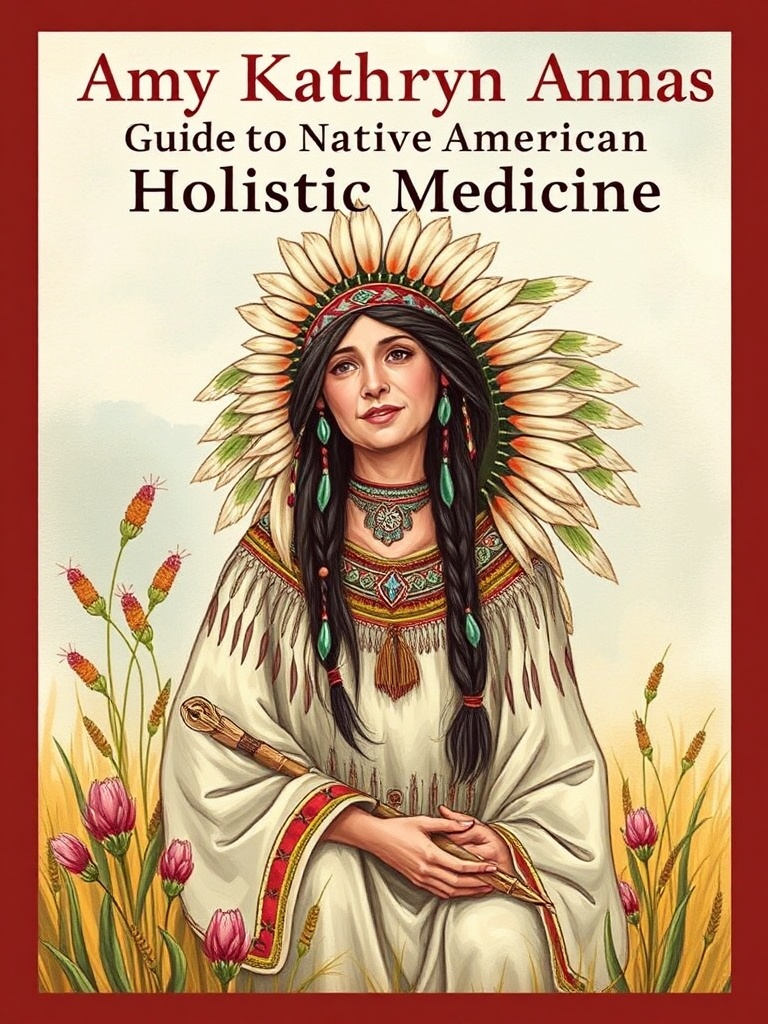
Amy Kathryn Anna's Guide To Native American Holistic Medicine
0
0
20
published
My late Apache Husband Stanley was only given 3 days left to live .I begged His Doctors to let Him come home with Me ........ 7 months later He reached the end of His trail; but during those 7 extra months He walked again,played basketball,camped,went to the casinos,watched Our favourite shows. 7 extra months instead of only 3 days....6 months of Great Spirit and I watching over My Warrior. in Stanley's wounds full of gangrene. 6 times a day. I soaked cheese cloth in cool sea salt water and I made a paste of ground red willow bark and added tea tree oil to the ground willow bark .I put the.paste on His wound and bound them in the cheese cloth. At first I fed him herbed clear bone broth and made certain He drank herval teas and plenty of water and citrus juices and whole milk. 6bweeks later He slowly started to eat solid foods. Great Spirit and Our Ancestors guided Me to help Stanley. His Doctors were both shocked and amazed They took Ne aside and asked how I knew..I replied Faith and it's in the blood. I then smiled and walked away from His Doctors leaving them dumb founded....They had given up where I didn't... I was born with a gift as were My Ancestors..it's also how I've been kept alive where My Doctors and Others have held little hope for Me. I,Amy Kathryn Anna,am a Warrior... Now to pass on a little of what I have learned or know...
Table of contents
- 1The Whispers of FateAmy Kathryn Anna receives the devastating news: her beloved husband, Stanley, has only days to live. A spiritual gift within her stirs, a premonition of a different path.
- 2A Warrior's Return HomeDefying medical odds, Amy brings Stanley home. The sterile hospital walls are exchanged for the familiar comfort of home, a sanctuary for a different kind of healing. My Beloved Stanley developed great respect ,honour ,pride and live, empathy and compassion for Me during Our last months together.
- 3The Sacred Art of Wound CareWith gentle hands and ancient wisdom, Amy begins tending to Stanley's wounds. Sea salt water soaks and a paste of red willow bark become instruments of hope.Barberry Barberis genus Anthropologists believe in a ritual practice or sacred object, especially by Native Americans that it works as a supernatural power or as preventive or remedy of illness. It is the most widely used drug in Homeopathic system of medicine for kidney pain and for removal of kidney stonesCandle Bush Cassia alata Leaves or sap are used to treat fungal infections such as ringworm. They contain a fungicide, chrysophanic acid. Besides skin diseases, it is also used to treat a wide range of ailments from stomach problems, fever, asthma to snake bite and venereal diseases (syphilis, gonorrhoea).Horsemint Monarda genus Long history of use as a medicinal plants by many Native Americans including the Blackfeet, Menominee, Ojibwa, Winnebago and others. Used for skin infections and minor wounds infections caused by dental caries and gingivitis excessive flatulenceCascara Buckthorn Rhamnus purshiana The dried, aged bark of this tree has been used continually for at least 1,000 years by both native and European settlers as a laxative natural medicine.Cinchona Cinchona sp. The bark of trees in this genus is the source of a variety of alkaloids, the most familiar of which is quinine, an anti-fever agent especially useful in treating malaria. Native Americans used it for fever and chill, that may be associated with malaria.Juniper Juniperus sp. Juniper berries were used by American Indians as a herbal remedy for urinary tract infections as well as a female contraceptives. Western tribes combined the berries of Juniperus communis with Barberis root bark in a herbal tea to treat diabetes.Willow Salix sp. Native Americans across the American continent relied on it as a staple of their medical treatments. The leaves and bark of the willow tree contain salicylic acid, the precursor to aspirin.Dogwood Cornus florida Native Americans used dogwood bark for variety of illnesses. A drink can be made from the bark, flowers and fruit to reduce fever and relieve chills. It can also be used as a remedy for colic.Geranium Geranium sp. Geranium roots has astringent effects. It was used to treat thrush, a contagious disease caused by a fungus, affects mostly infants and children.Ginseng Panax quinquefolium Ginseng root was used by native Americans for cramps, menstrual problems, headaches, and stroke. It was taken as a tonic to increase mental powers, prevent shock, and a treatment for asthma and emphysema.Dogwood Cornus florida Native Americans used dogwood bark for variety of illnesses. A drink can be made from the bark, flowers and fruit to reduce fever and relieve chills. It can also be used as a remedy for colic.Ginseng Panax quinquefolium Ginseng root was used by native Americans for cramps, menstrual problems, headaches, and stroke. It was taken as a tonic to increase mental powers, prevent shock, and a treatment for asthma and emphysema.Wormseed Chenopodium ambrosioides For centuries, the Maya of Central America used Wormseed to expel worms, and hence its name. Aztecs used the plant to treat asthma and dysentery. The Catawaba peoples of the US used the plant for poultices to detoxify snake bites and other poisonings.White Hellebore Veratrum viride It is a highly toxic plant that was widely employed medicinally by several native North American Indian tribes who used it mainly externally in the treatment of wounds and pain.Greek Valerian Polemonium reptans RANGE: Northeastern United States, south to Georgia and west to Minnesota and Oklahoma Native Americans used the root for piles or hemorrhoids, to induce sweating and vomiting, to treat eczema (inflammation of the epidermis).Elderberry Sambucus canadensis Native North American tribes used it to treat a wide range of complaints like cold, consumption, headache, indigestion etc. All parts of the elderberry plant are considered to be a valuable healing plant in many folk medicine traditions.Angelica Angelica atropurpurea Native to eastern North America. Angelica was held in high esteem by Indians in Arkansas, who always carried it in their medicine bags and mixed it with tobacco for smoking. Relieves menstrual discomfort, minimizes symptoms of menopause, treats colds and other respiratory problems, prevents arthritis and combats certain cancers.Witch Hazel Hamamelis virginiana Although eastern American Indians have used witch hazel to treat a variety of conditions, the Chippewa used it specifically to treat sore, inflamed, or infected eyes. After colonists learned its importance from the Pipsissewa Chimaphila umbellata Close to a dozen native tribes are documented to have used Pipsissewa as medicine. The use ranges from treating backache, sore eyes, gonorrhea, blisters, sore muscles, leg and foot swelling etc. It is regarded as blood purifier and to aid internal healing. Indians, its use for healing spread to EuropeBalsam Fir Abies balsamea North American Indian tribes used it as an antiseptic healing agent applied externally to wounds, sores, bites etc. It was used as an inhalant to treat headaches and was also taken internally to treat colds, sore throats and various other complaints. Excellent for Christmas tree.Balsam Fir Abies balsamea North American Indian tribes used it as an antiseptic healing agent applied externally to wounds, sores, bites etc. It was used as an inhalant to treat headaches and was also taken internally to treat colds, sore throats and various other complaints. Excellent for Christmas tree.Arrow wood Viburnum dentatum The Ojibwa and Menominee Indians use the inner bark in a decoction for cramps. Ojibwa also mix arrow wood and the bark of the alder (Alnus incana) in preparing a tea to drink to induce vomiting.Bloodroot Sanguinaria canadensis The red juice from the root was a very popular remedy among Plains Indians for sore throats, respiratory problems, and growths on the skin. American Indians used the root for rheumatism, asthma, bronchitis, lung ailments, laryngitis and fevers.
- 4Nourishment from the EarthHerbal broths, potent teas, and vibrant juices become Stanley's first sustenance. A slow, deliberate reawakening of his body, guided by nature's bounty.
- 5The Willow's EmbraceRed willow bark, a gift from the earth, is ground and mixed with tea tree oil. This potent poultice is applied with faith, a testament to ancestral knowledge.
- 6A Taste of Strength ReturnsWeeks pass. The tide begins to turn. Stanley slowly transitions from liquid nourishment to the gentle embrace of solid foods, a sign of returning vitality.
- 7Echoes of the Great SpiritAmy feels the presence of the Great Spirit and her ancestors, guiding her every step. Their wisdom flows through her, a sacred inheritance of healing. Native American Heritage Month is celebrated every November to commemorate and recognize the present and past cultures, histories, technologies, and contributions of the original people of the Americas. In addition, I would like to recognize the many, often overlooked, innovations made by Indigenous tribes regarding medicine and the practice of surgery. Syringes and Enemas Native Americans were using this kind of tool long before Wood’s version. Using material such as animal bladders and bird bones, Native Americans designed a syringe to inject medications and irrigate wounds. Larger versions of these tools were also used as enemas to treat constipation, diarrhea, and hemorrhoids as well as to administer ceremonial hallucinogenic drugs. Suturing Another surgical technique practiced by many tribes throughout history was suturing. North American Indians such as the Dakelh, Mescalero Apache, Dakota and Ho-Chunk primarily used sinew (and human hair and vegetable fibers) to suture wounds. Some South American tribes used a particularly innovative method a precursor today’s skin clips in which leaf-cutting ants pinched the edges of a wound together and then their heads were twisted off. Anesthetics and Pain Management Thanks to their early knowledge of pharmacology, many Indigenous tribes had humane and effective anesthetics that European doctors lacked. For example, in addition to its uses as a pain reliever for lacerations, fractures, and snakebites, peyote has been used for thousands of years by tribes in what is now the southwestern U.S. and northern Mexico as a religious sacrament. Willow bark was another commonly used anti-inflammatory and pain relieving medicine. Salicin, the active ingredient willow bark produces, was crucial to the discovery of aspirin. It is also the precursor to salicylic acid, used today in many modern acne treatments. Another common pain reliever used throughout the pre-Columbian Americas, and around the world, was capsaicin. In both the Aztec and Mayan empires, it was used to treat various conditions, including arthritis, stomach aches, skin rashes, and animal bites Historically, Native Americans also performed certain surgical procedures with better outcomes than European and American physicians. Perhaps the most iconic illustration of this is trepanation, which is when a hole is drilled, cut, or scraped into the skull for medical purposes. Trepanation has been performed for thousands of years all over the world, but one study suggests that Inca surgeons were particularly good at the procedure 80 percent of such operations were successful in pre-Columbian Peru, compared with only a 50 percent success rate among American Civil War procedures (at least 400 years later). In the study, researchers examined more than 59 skulls that were believed to be from between 400 BCE to the mid-1500s CE all around Peru, including the capital of the Inca Empire, Cusco. The survival rates of the earliest patients were around 40 percent, but as time progressed, the technique and skill level of the Inca surgeons improved. Survival rates went up to between 75 and 83 percent during the height of the Inca empire (from the early 15th to 16th centuries). The Inca’s later trepanation procedures benefited from continuous improvement in surgical techniques. Skulls had smaller holes due to less cutting or drilling and more careful grooving, helping increase survival rates. This practice of trepanation continued among the Incas until the 16th century when Spanish invaders destroyed the Inca Empire and made the practice illegal. Trepanation was not the only successful surgical procedures Native Americans were able to perform. Indigenous peoples also practiced joint aspiration, debridement, and thoracentesis. The history of Indigenous medicine throughout the Americas is largely overshadowed by Western influence, but that does not diminish the significance of their innovations over thousands of years and into today. dye to the live ,knowledge and wisdom imparted to Our A8 by The Great Spirit.
- 8The Astonishment of the HealersDoctors, witnessing Stanley's miraculous recovery, are left speechless. They question Amy, seeking the secret to this impossible turnaround.
- 9Faith, Blood, and KnowingAmy's reply: 'Faith, and it's in the blood.' A simple truth that leaves the medical professionals bewildered, a testament to her unique gift.
- 10The Gift UnveiledThe story touches upon Amy's own lifelong gift, a resilience that has seen her through countless moments of doubt and despair, often against medical prognoses.
- 11A Warrior's ResolveAmy embraces her identity as a warrior, not just for Stanley, but for herself. Her strength is a beacon, a testament to the power of spirit.
- 12A Legacy of HealingThe desire to share this profound knowledge ignites. Amy feels a calling to pass on the wisdom of Native American holistic medicine to a waiting world.
- 13The First Teachings: FoundationsAmy begins to lay the groundwork, introducing the fundamental principles of holistic healing, emphasizing the interconnectedness of mind, body, and spirit.
- 14Herbs of Power: The Willow's KinFocus shifts to specific herbs, starting with the red willow bark. Its properties and traditional uses are explored, highlighting its potent healing capabilities.
- 15The Wisdom of Water and SaltThe simple yet profound efficacy of sea salt water soaks is detailed, explaining its cleansing and restorative properties in wound management.
- 16Nourishing the Vessel: Broths and TeasAmy delves into the art of creating nourishing broths and medicinal teas, explaining how these can fortify the body and aid in recovery.
- 17The Role of Essential OilsThe synergistic power of combining herbs with essential oils, like tea tree oil, is discussed, revealing its antiseptic and healing benefits.
- 18Listening to the Body's LanguageAmy teaches the importance of attuning to the body's signals, understanding its needs, and responding with intuition and natural remedies.
- 19The Great Spirit's GuidanceA chapter dedicated to the spiritual aspect of healing, exploring how faith, prayer, and connection to the Great Spirit can amplify natural remedies.
- 20A Path Forward: Empowering OthersAmy concludes by encouraging readers to embrace their own inner healer, to trust their intuition, and to carry forward the legacy of ancestral wisdom.
More Non-fiction stories
Browse all Non-fiction →- The Boss
Joseph Vincetti, a crime Boss from New York is a family man and prides himself on loyalty and respect. His family is murdered in their house and he seeks vengeance. He will not stop until he finds the person or persons responsible.
- The Unchained Mind: A Journey to Freedom
THE ROOTED WARRIOR PATH OF LOMAR BELOTE PART ONE — AWAKENING THE ROOTED WARRIOR Every great journey begins with a question. Not a question spoken to the world… But a question whispered within the soul. Pause. For the warrior, the first and most important question is not: "What can I conquer?" Pause. The first question is: "Who am I becoming?" Pause. Before a person can build a meaningful life, they must understand the foundation upon which that life is created. A house without a foundation may appear strong from the outside… But when the storms arrive… Its weaknesses are revealed. Pause. The same is true of the human spirit. A person may chase success… Recognition… Money… Status… And the approval of others. But if they never understand themselves… They may gain the world… While losing connection with their own soul. Pause. The Rooted Warrior begins differently. The Rooted Warrior begins by looking inward. Pause. This journey is not about becoming someone completely new. It is about removing the layers… The fears… The doubts… The experiences that have covered the person who has always existed beneath them. --- REMEMBERING YOUR ORIGINAL DESIGN Narrator — Inspirational tone: Every person arrives in this world carrying something unique. A combination of: Natural abilities… Life experiences… Creativity… Personality… Wisdom gained through struggle… And lessons passed down through generations. Pause. Your life is not random. Every experience has shaped your awareness. Every challenge has added another layer to your understanding. Pause. This does not mean every painful experience was meant to happen. It means the warrior learns the sacred art of transformation. A wound can become a lesson. A mistake can become knowledge. A struggle can become strength. Pause. The question is not: "Why did this happen to me?" Pause. The deeper question is: "What can this teach me about who I am becoming?" --- THE WARRIOR LESSON MEANING CREATES DIRECTION Narrator — Strong, commanding tone: A person without purpose becomes controlled by circumstances. They react instead of choosing. They follow instead of leading. They allow the outside world to define their worth. Pause. The warrior discovers that purpose creates direction. Purpose becomes an inner compass. When challenges appear… Purpose reminds you why you continue. When distractions appear… Purpose reminds you what matters. When doubt appears… Purpose reminds you that your journey is greater than one difficult moment. --- SURVIVAL VERSUS PURPOSE Narrator — Reflective tone: There are different stages of human development. The first stage is survival. Survival asks: "How do I make it through?" Pause. This stage is necessary. Every person experiences seasons where they must simply endure. But eventually, the warrior reaches another question: "How do I grow through what I have experienced?" Pause. This is the transition from survival… To purpose. The warrior does not deny hardship. The warrior transforms hardship into wisdom. --- THE INNER BATTLE THE ENEMY WITHIN Narrator — Deeper tone: The greatest battles are often invisible. They happen in the mind. They happen in the heart. They happen when nobody else is watching. Pause. The warrior must recognize the internal forces that prevent growth. --- FEAR Fear protects us from danger. But fear can also become a prison. Fear whispers: "Do not try." "Do not change." "Stay comfortable." Pause. The warrior answers: "I will move forward with courage." Pause. Courage does not mean fear disappears. Courage means choosing purpose even when fear is present. --- DOUBT Doubt questions your ability. It whispers: "You are not ready." "You are not enough." "You cannot change." Pause. The warrior understands: Confidence is not something people are simply born with. Confidence is built through action. Every promise you keep to yourself… Strengthens your belief in yourself. --- THE EGO The ego wants recognition without growth. It wants results without discipline. It wants success without sacrifice. Pause. The warrior chooses humility. Humility does not mean thinking less of yourself. Humility means understanding that growth never ends. The student remains teachable. The master remains curious. --- THE SPIRITUAL PRACTICE THE AWAKENING MEDITATION Sound Design: Soft wind. Gentle instrumental tones. Narrator — Slow meditation voice: Find a quiet place. Sit comfortably. Close your eyes. Take a slow breath. Pause 5 seconds. Allow your body to become still. Place your hand over your heart. Pause. Repeat: "I am present." Pause 5 seconds. "I am learning." Pause 5 seconds. "I am becoming." Pause 5 seconds. Imagine standing before a mirror. Not a mirror that reflects your physical appearance… But a mirror that reveals your spirit. Pause. Ask yourself: What parts of myself have I ignored? Pause. What gifts have I hidden? Pause. What wisdom have my experiences given me? Pause. What kind of person do I want to become? Long pause. Allow the answers to rise naturally. --- PRAYER OF PURPOSE Narrator — Reverent tone: Creator… Guide me toward understanding. Help me recognize the gifts placed within me. Give me wisdom to learn from my experiences. Give me courage to face my weaknesses. Give me discipline to develop my strengths. Help me walk in purpose. Help my life become a blessing to others. Amen. --- THE MASTERY CONNECTION Narrator — Teaching tone: A major principle of mastery is discovering the work that connects your natural abilities with meaningful contribution. Many people spend years following paths created by others. They chase expectations. They seek approval. They ignore the quiet voice within. Pause. The journey toward mastery requires self-awareness. Ask yourself: What activities naturally attract my attention? What skills do I enjoy developing? What problems am I motivated to solve? What knowledge am I willing to pursue for years? Pause. Mastery is not built through temporary excitement. Mastery is built through commitment. --- THE APPRENTICE MINDSET The beginning of mastery requires becoming a student. The apprentice learns: Patience. Observation. Discipline. Humility. Practice. Pause. The person who believes they already know everything blocks their own growth. The person who remains open continues evolving. --- THE CHAKRA CONNECTION ROOT CHAKRA — THE FOUNDATION OF IDENTITY Narrator — Mystical reflective tone: The Root Chakra is traditionally associated with: Grounding. Stability. Security. Connection. Pause. Symbolically, it represents the foundation of your journey. Before a warrior rises… The warrior must first become grounded. Your roots represent: Your history. Your values. Your connection to life. Pause. A tree with deep roots can survive powerful storms. A person with deep inner grounding can survive difficult seasons. --- JOURNAL WORK Narrator — Encouraging tone: Take time to reflect. Write honestly. Question one: Who am I when nobody is watching? Pause. Question two: What experiences have shaped my character? Pause. Question three: What qualities do I want to strengthen within myself? Pause. Question four: What legacy do I want my life to create? Pause. Question five: What is one fear I must overcome to become who I want to be? --- WARRIOR AFFIRMATIONS Narrator — Powerful, steady tone: Repeat: I am connected to my purpose. I honor my journey. I learn from my past. I create my future. I develop my gifts with discipline. I walk with courage. I walk with wisdom. I walk with the Creator. I am becoming the person I was created to be. --- CLOSING MEDITATION Sound Design: Rising music. Deep drums. Calm atmosphere. Narrator — Inspirational closing tone: Take a deep breath. Release the pressure to have everything figured out. Growth is a journey. Transformation is a process. A seed does not become a tree overnight. It develops through patience. Through seasons. Through endurance. Pause. You are also developing. Your roots are growing. Your wisdom is increasing. Your purpose is unfolding. Pause. Walk forward with faith. Walk forward with discipline. Walk forward as the Rooted Warrior.
- The Woman in the Mirror: Unveiling the Self
A woman who fell in love only for it to be a pretence, crushing the spirit of the man's heart who gave everything to support her, her career to be a distinguished lawyer, lifting her relatives only to be blackmailed, losing his properties and all he built in the name of love.
- Echoes of Accusation
My stress and sadness is on the false accusations
- E4+Secretary , inspiring and the windows of yourlife
E4+Secretary adalah Reborn dari ESecretary Magazine yang pernah terbit 3 edisi di tahun 2005 , distribusi nasional , sebuah Majalah Profesi yang dikemas dengan LifeStyle , target readersnya general , profesi Secretary dilakoni oleh setiap individu tidak hanya untuk di lingkungan kerja perusahaan tetapi dalam keseharian juga kita semua berperan sebagai Secretary, minimal untuk diri kita sendiri.
- The Plastic Alchemist
A start up company that removes micro plastic from the ocean. It combines underground heat and a sterling engine to generate electricity, and then this renewable energy to turn the captured micro plastic into oil.
Want to write a story like this?
Learn the craft in our free writing guides, then draft your first chapter with an AI co-writer.