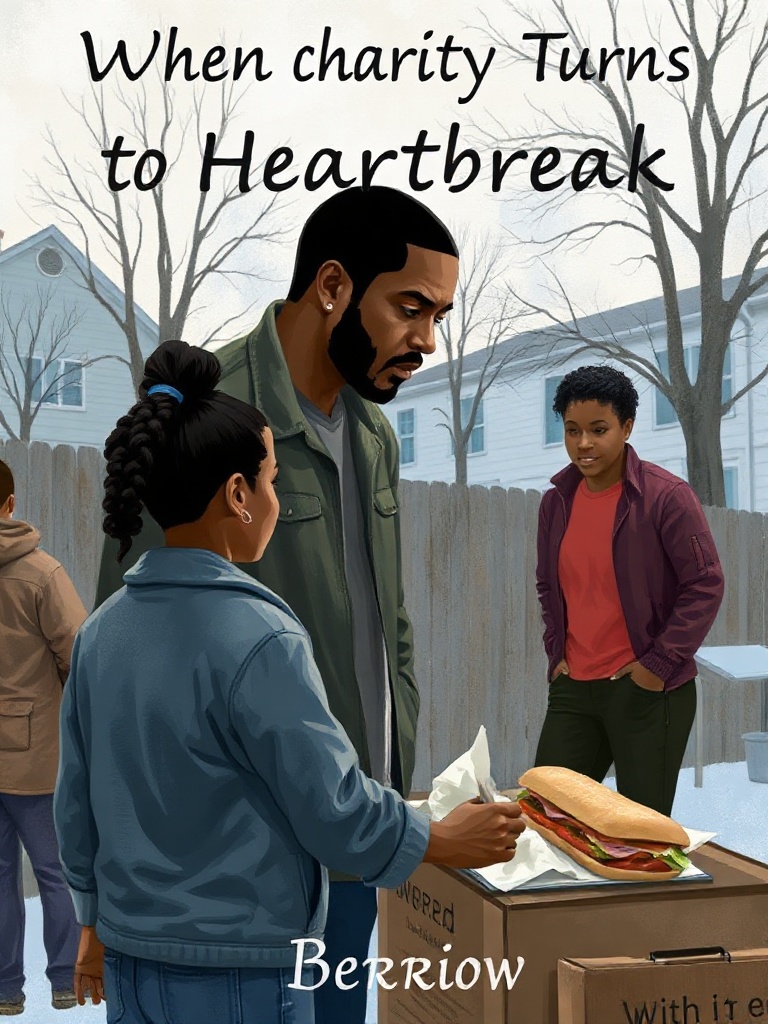
The morning after Michael's death, the world outside my window looks unchanged—sunlight dapples the street, kids ride past on bikes, and neighbors wave absently, unaware of the storm that churns inside me. My coffee grows cold on the kitchen table. The ache in my chest hasn’t dulled overnight. I keep hearing his voice from the phone call, strained and trembling. I picture his children, their tiny hands clutching at his shirt, his wife’s gaunt face. And the question,—what more could I have done?—gnaws at the edge of my mind like a persistent, hungry rat.
The world expects me to move. The work relies on me. By nine, my phone buzzes steadily with notifications: a request for extra meals on 14th Avenue, a volunteer asking for the van keys, a city worker reminding us of new rules at Delmar Park. I stare at the texts, my hands unwilling to move, and think of quitting. Maybe I could just disappear for a few days. Let someone else coordinate the food drop-offs, someone who hasn’t let a man slip through the cracks.
But then Derrick’s name pops up again, this time calling instead of texting. My voice comes out thin and cracked.
"You okay, Auntie?" Derrick asks, his tone oddly gentle for someone so young. I want to say no, I want to collapse into his concern, but something else rises—a stubbornness I can’t explain.
"I don’t know," I answer honestly. There’s a silence, then his breath on the line, soft and patient.
"Do you want me to come by? We could go for a walk."
I picture his face, braced with adolescent resolve, and something loosens inside me. The world is still here, and the people I love are still reaching out. I tell Derrick to come by around ten.
He arrives with a brown paper bag of pastries and two coffees, and we walk in the direction of the park. The air is warm and clean, but each step feels heavy, as if the earth itself is mourning. Derrick talks quietly—about school, about his part-time job, about the food bank’s need for summer volunteers. He doesn’t push me to talk, but the silence is different now, filled with his presence and the soft crunch of gravel underfoot.
At the entrance to the park, we stop. The yellow tape is still strung between two trees, a grim marker of where the world changed. Derrick looks at me, a question in his eyes. I feel exposed, raw beneath the brightness of the day.
Memories crowd in: Michael’s smile, the hope flickering in his voice, the way he squared his shoulders for his family even as he asked for help. The guilt slices clean and sharp, but beneath it, something else rises—a fierce, aching need to do better, to turn this pain into something meaningful.
The urge to run is almost overwhelming. But I also want to kneel where Michael stood, to bless the grass, to say a prayer, or just to let myself grieve out loud. The weight of what comes next presses in. The day is waiting—my community is waiting—but so is the truth of what was lost. And I stand there, trembling, on the edge between despair and resolve, unsure which way to fall.